
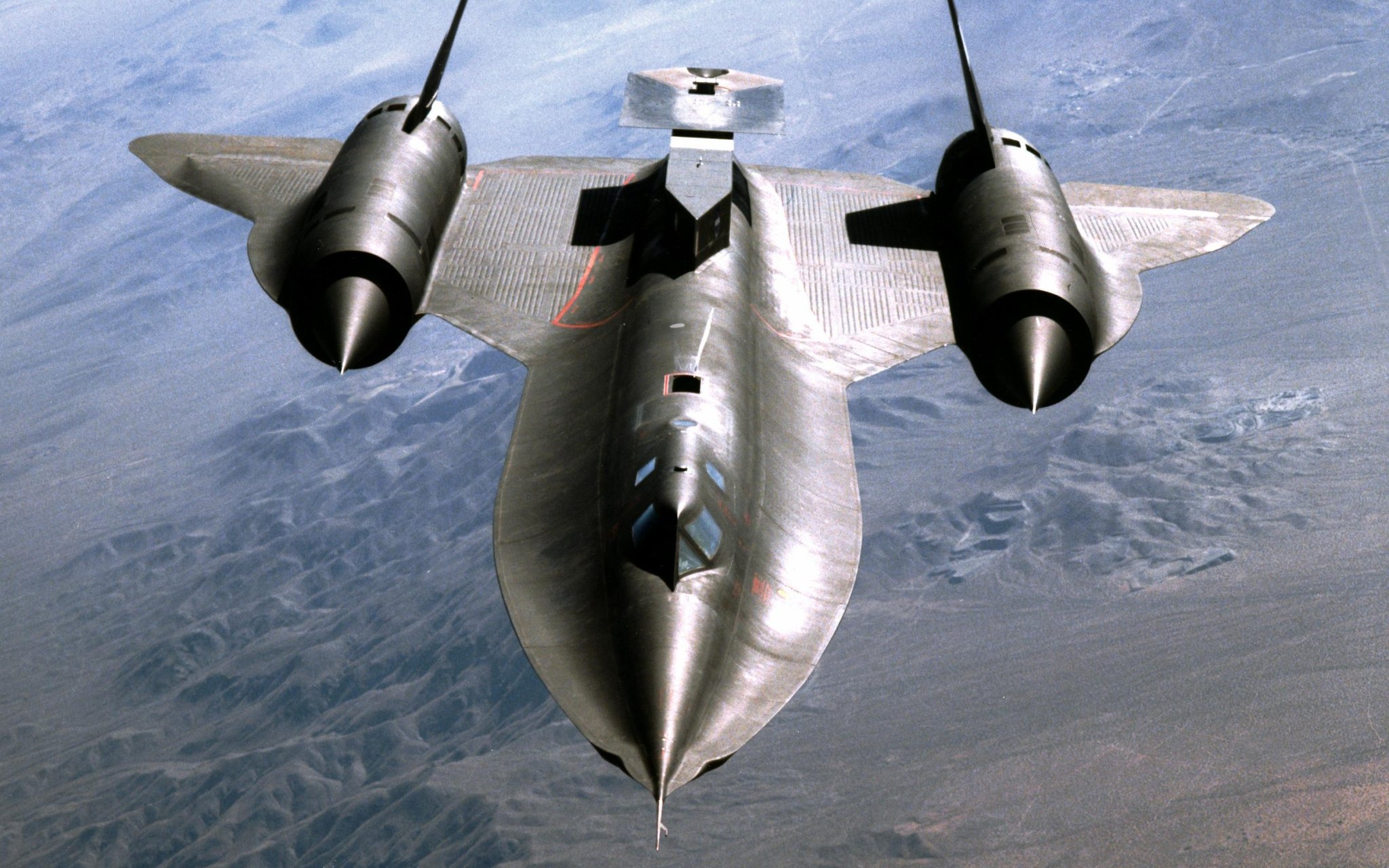
The recent disappearance of a retired SR-71 Blackbird from its comfortable retirement in the high desert of California appears to be linked to a NASA effort to produce new super-fast test aircraft, and perhaps even get an original Blackbird back in the air.
The iconic reconnaissance aircraft flew for over 30 years before the last of the black jets was retired in 1999.
It is that final jet, with tail number 844, that is at the center of unconfirmed reports that NASA may have a plan to once again kick the tires and light the fires of a plane that still holds a mythic spot in aviation history.
Aviation Week editor Steve Trimble reported on Sept. 24 that plane 844 was missing from its spot on display outside NASA’s Neil Armstrong Flight Research Center on Edwards Air Force Base, California. Tuesday, Trimble reported that at least two former engineers in the SR-71 program, now in their 70s, had been offered roles in a NASA-led program to get the legendary airplane back in the air.
Notably, the high-desert climate of Edwards would be a near-perfect spot for a plane to spend three decades outdoors and still hope to fly again. The Mojave Desert around Edwards is famously dry, with less than 6 inches of rain in a typical year and just traces of humidity, slowing corrosion. The base gets famously hot, but even oppressive desert heat would be unlikely to cause real damage to an SR-71’s titanium airframe, which regularly generated temperatures well over 500 degrees Fahrenheit through atmospheric friction flying at 2,000 miles per hour.
Both SR-71 engineers who spoke to Aviation Week, Mike Relja and Tim Conners, outlined a long list of hurdles to returning an SR-71 to flight. Virtually no part of the SR-71 is currently in production, or even likely to be in a forgotten warehouse. The last tranche of spare parts for the plane was destroyed in 2007. NASA would need to reinvent or find a new supply of parts ranging from obscure engine pieces to the plane’s specialized JP-7 fuel.
A plan to build more X-planes
A NASA spokesperson said the agency was aware of the SR-71 rumors, but did not confirm any plans for the plane.
“NASA has a long history of pushing the boundaries of experimental aviation, and we continue to explore opportunities to build on that legacy,” the spokesperson said in an emailed statement. “We recognize the interest in the SR-71 and its remarkable history at NASA but have no additional information to share regarding the aircraft at this time.”
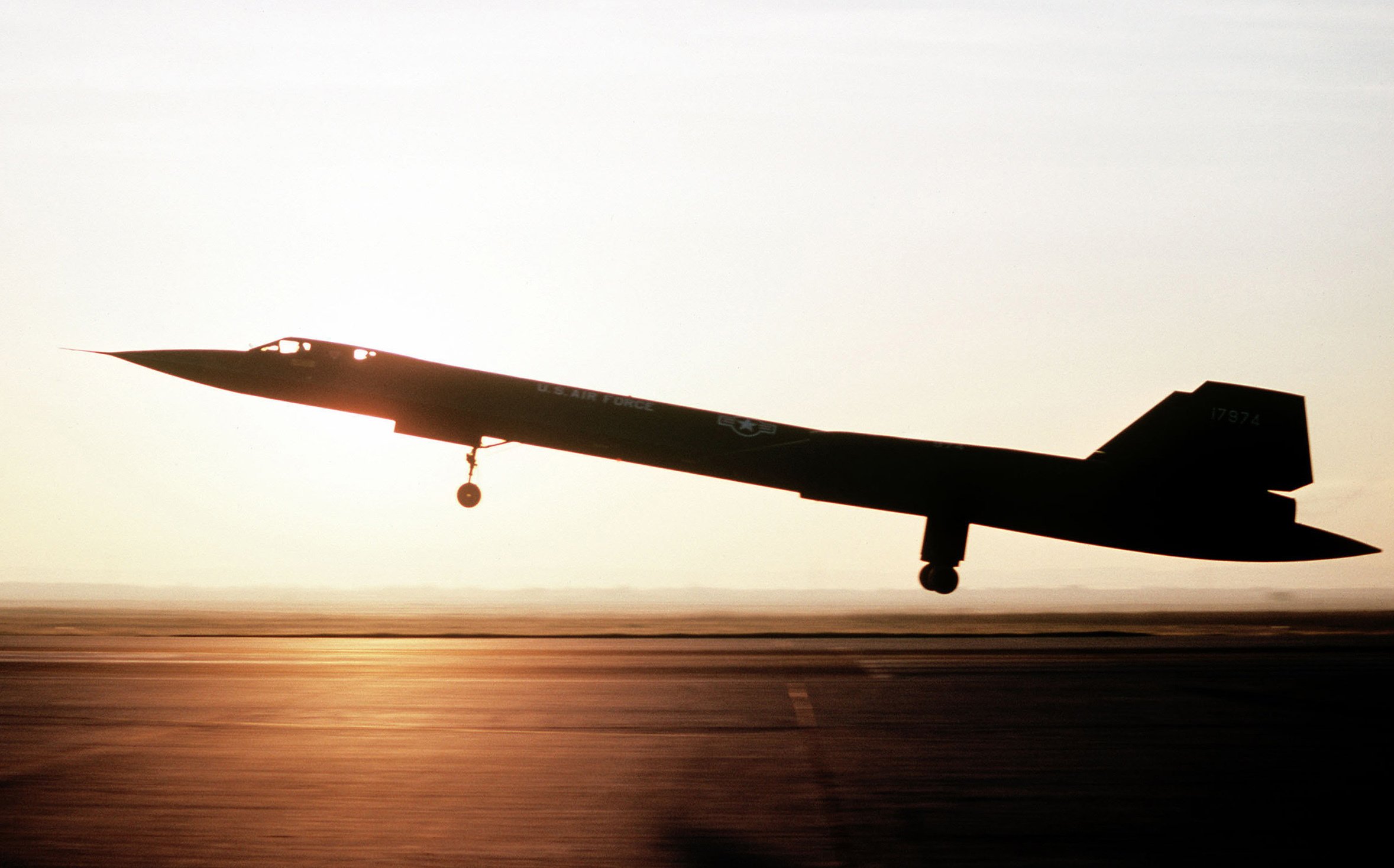
However, NASA administrator Jared Isaacman has said at several public appearances in recent weeks that the agency is rebuilding its fleet of “X-planes,” testbed aircraft the agency has long flown to develop advanced aviation technologies.
Both The War Zone and the Aviationist sites reported on a recent speech by Isaacman in which he discussed the X-plane fleet over a slide presentation that appeared to show the silhouette of an SR-71.
60 years after first flight, still the fastest plane ever
The SR-71 was and largely remains the defining airplane of the U.S.’s post-World War II dominance in military aviation technology. When it was introduced in 1966, the black wraith of a jet was by far the fastest and highest-flying plane in aviation history.
When it was retired in 1999, it still was.
Nearly every SR-71 flown by the Air Force in operational squadrons saw active combat in secret, high-stakes reconnaissance missions. Though the Air Force has said the jet never flew directly over the Soviet Union — the U.S. stopped incursion over the country in 1960 after a U-2 was shot down — it regularly buzzed along the country’s northern edge, monitoring Soviet naval movements. The plane also flew missions over Vietnam, North Korea, Libya and other international hotspots.
Across hundreds of missions, the plane was often met with launches of live anti-aircraft missiles.
In those moments, pilots were trained in a simple response: push the throttle up and outrun the missile.
Loading comments…
Comments couldn’t be loaded. Please refresh the page.