

Department of Veterans Affairs researchers say they are embarking on what will be the largest study to assess whether GLP-1 semaglutide medications can help combat alcohol addictions. Their hope, they say, is that the study will help change U.S. regulations and potentially make the treatment more widely available to Americans also dealing with the disease.
Dr. David Oslin, head researcher for the VA’s Cessation or Reduction of Alcohol Consumption in Veterans trial, said it was designed to get more “definitive” evidence behind semaglutide as a treatment for alcohol use disorder, which is a clinical diagnosis. He said the drug could be a “more palatable” treatment option for doctors and patients.
Semaglutide is a medication that mimics the naturally occurring GLP-1 hormone in the body. Semaglutide is originally a diabetes medication that is increasingly being sold as a popular weight-loss drug like Ozempic or Wegovy.
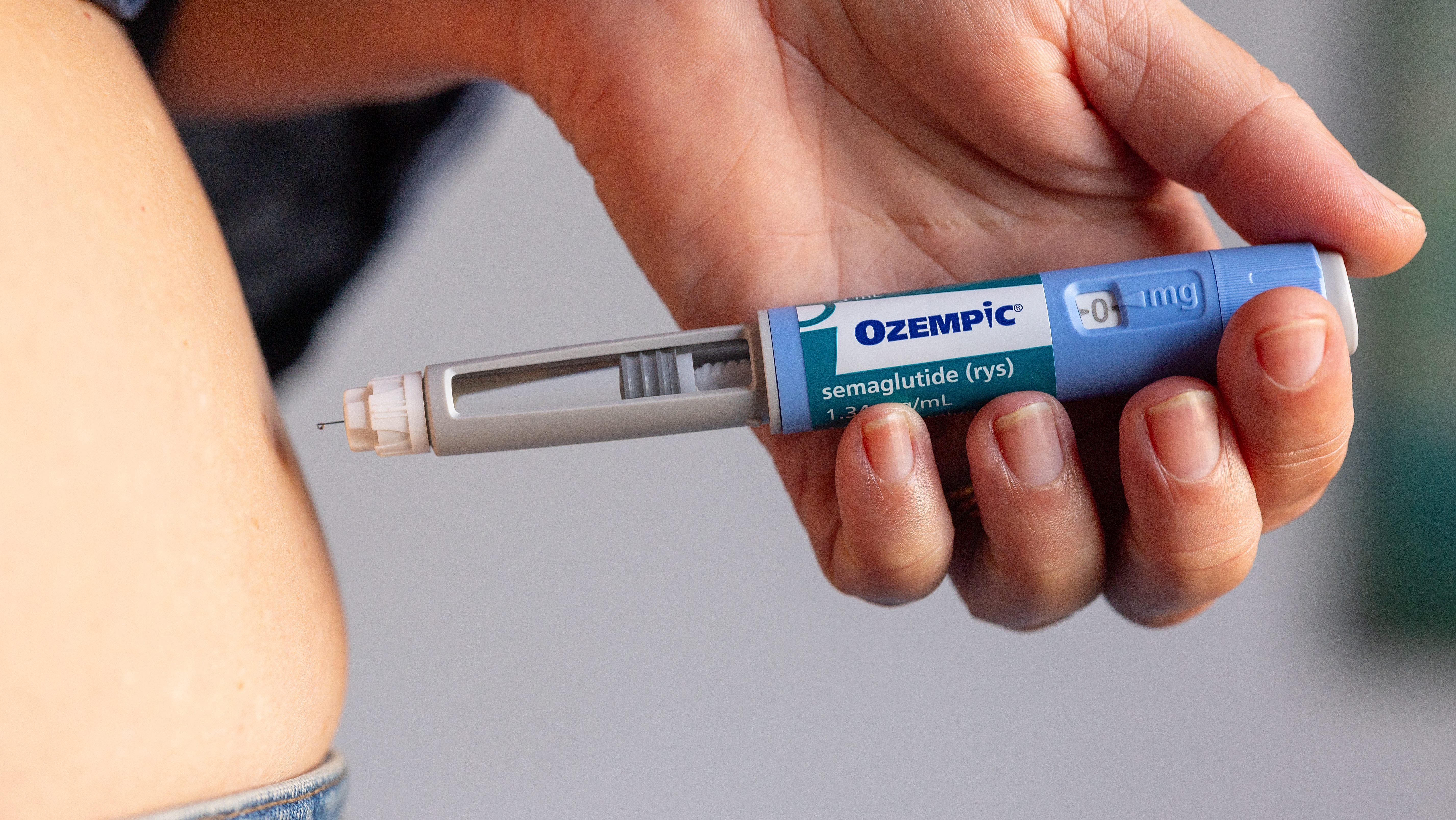
“It really opens the door to being more of a front-line drug that could be available, say, in primary care or other settings where patients are very comfortable going,” Oslin said. “Primary care is our frontline mental health program. It’s where mental health starts for almost all patients, whether that be for addiction, depression, anxiety, whatever. We need better tools that those providers could potentially use and get more people in treatment.”
More than 400,000 veterans have been diagnosed with alcohol use disorder, but fewer than 40,000 are treated with medication — rates that Oslin said are “too low” but still higher than those across the entire U.S. population.
To treat alcoholism, veterans can attend talk therapy, addiction programs, or some doctors prescribe pharmaceuticals like Naltrexone or Topiramate. But “the reality is, all those treatments are woefully underused both by clinicians as well as patients,” Oslin said.
For the trial, more than 600 veterans diagnosed with moderate to severe alcohol use disorder will self-administer weekly doses of semaglutide or a placebo. Researchers will monitor whether veterans taking semaglutide have fewer alcohol cravings and evaluate how it affects alcohol addiction symptoms and their overall physical and mental health.

Because the study was designed to see if semaglutide could eventually be prescribed by a primary doctor, veterans are not required to do simultaneous mental health treatment. Local VA clinicians will do 15- to 20-minute medical management sessions, or what Oslin described as “therapy lite,” where they set goals with patients around alcohol consumption.
“Requiring people to be in a psychiatric clinic or to be in an addiction clinic, we actually didn’t want to do that because that makes it much more complicated to make the results more available to people,” Oslin said.
Dr. Eric Dieperink, a psychiatrist who will lead trials at the Minneapolis VA in Minnesota, said veterans should expect a “fairly large initial commitment” with thorough medical evaluations, multiple blood tests, and assessments to determine a proper semaglutide dose. Over the course of the trial, doses may gradually increase.
Three separate studies have found that semaglutide reduced drinking behaviors in patients with alcohol use disorder. The trials found “robust therapeutic effects,” significant reductions in “heavy drinking days” and data that showed they cut down on the number of drinks per day.
“GLP-1s are naturally occurring peptides in all of us, and these medications sort of mimic that natural process and seem to dampen people’s desire for excessive activities like excessive eating or excessive alcohol intake,” Oslin said.
The VA study will assess more than 600 veterans — is almost “six times” larger than some previous trials, which is on purpose, Oslin said. VA researchers want to see if they can “provide definitive evidence” about GLP-1 medications as alcoholism treatment to federal drug regulators at the U.S. Food and Drug Administration to consider a “label change.” This means that the agency would allow semaglutide to be marketed and officially prescribed as a treatment for alcohol addictions.
“Obviously, if the drug works in veterans, it’s going to work [on] the rest of us that are non-veterans,” Oslin said. “So this is a way to really move the field forward substantially.”
Loading comments…
Comments couldn’t be loaded. Please refresh the page.