The Coast Guard ended its search for an unspecified number of survivors of an American airstrike on a suspected drug boat in the eastern Pacific Ocean.
The Coast Guard dispatched aircraft and personnel on Tuesday after American forces hit a trio of boats in Central American waters, leaving several survivors and killing three people. Late on Friday, Jan. 2, the Coast Guard announced it was ending its search. It was the most extensive search and rescue operation the U.S. has carried out since the military began airstrikes on suspected drug vessels in September. The spokesperson did not say if any of the survivors had been recovered yet.
The survivors were part of a three-ship convoy traveling in the eastern Pacific Ocean on Dec. 30. According to U.S. Southern Command, intelligence identified the ships as a convoy of “narco-trafficking vessels” and the military launched a strike on one of the ships. That killed three people onboard. The crews of the other two vehicles jumped ship. SOUTHCOM said the crews distanced themselves from the vessels, which were both sunk in “follow-on engagements.”
U.S. Southern Command announced the Dec. 30 strikes the following day. It said that the Coast Guard was contacted for search and rescue efforts.
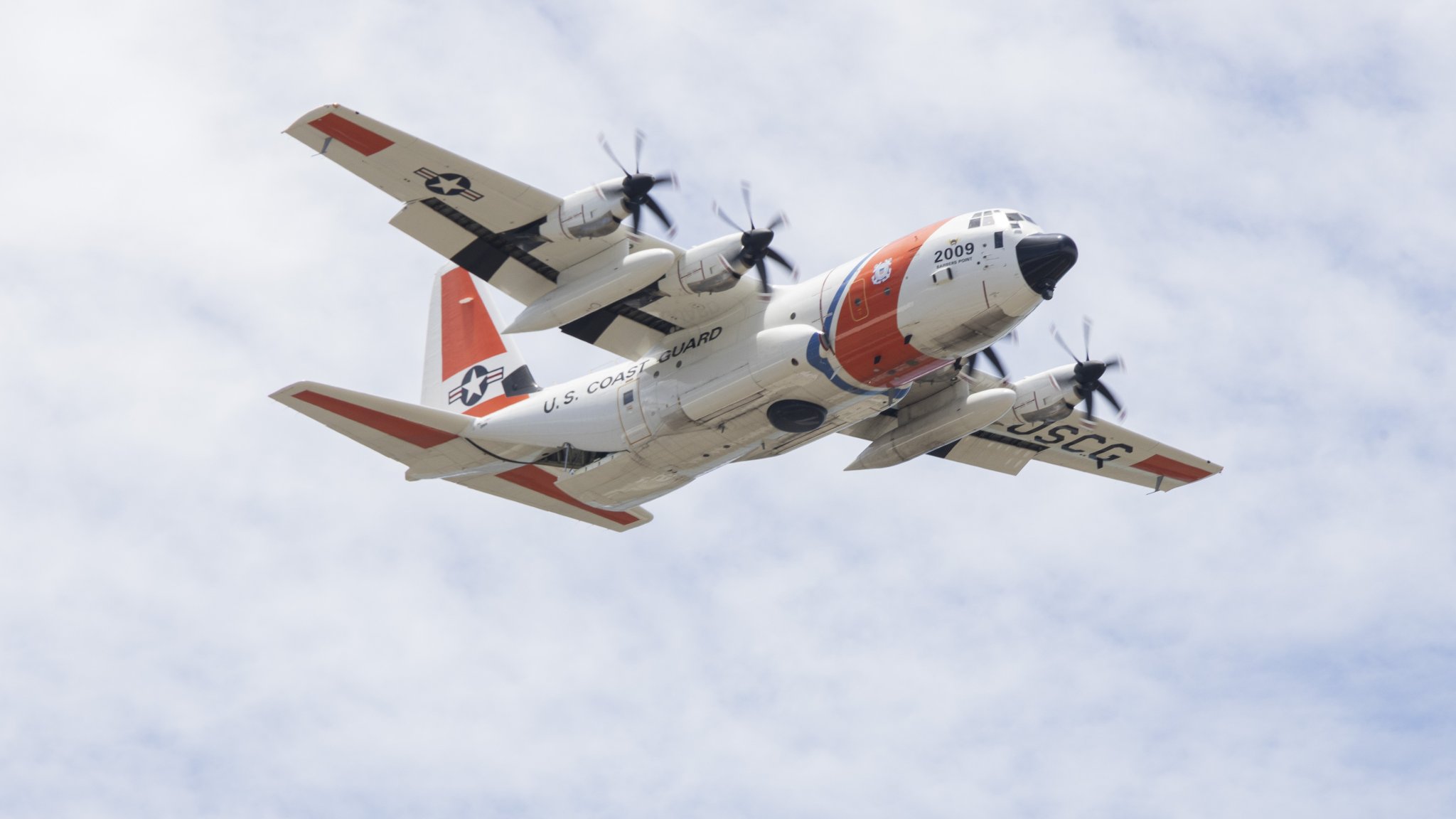
The Coast Guard separately said that it was notified on Tuesday about “mariners in distress” in the Pacific Ocean, and that it was sending a C-130 to search the area and drop a survival raft and supplies if needed. The U.S. Coast Guard is coordinating search-and-rescue operations with vessels in the area, and a Coast Guard C-130 aircraft is en route to provide further search coverage with the ability to drop a survival raft and supplies.
Late on Friday, Capt. Patrick Dill, chief of incident management, Southwest District, said in a statement that the Coast Guard was suspending its search “pending further developments.”
“At this stage of the response, the likelihood of a successful outcome, based on elapsed time, environmental conditions, and available resources for a person in the water is very low,” he said.
Two more airstrikes on Dec. 31 hit two other boats, killing five people in total, SOUTHCOM said, not specifying where in the world those attacks took place. There have been more than 30 strikes on alleged drug vessels since September, with at least 115 people killed.
The Department of Defense did not say where the Dec. 30 strikes took place, but the Coast Guard said that it was alerted to people in the water roughly 400 nautical miles southwest of the Mexico-Guatemala border.
Top Stories This Week
A Coast Guard spokesperson told Task & Purpose that a HC-130J plane based out of Sacramento was sent, searching an area of more than 1,000 nautical miles. The Coast Guard also sent a marine information broadcast to sailors in the area. Conditions were rough, the spokesperson said with 40-knot winds and waves as high as nine feet reported.
“As of Friday, the Coast Guard coordinated more than 65 hours of search efforts including working with partner nations, commercial fishing and Automated Mutual-Assistance Vessel Rescue (AMVER) system vessels,” the statement continued.
U.S. Southern Command directed questions about the operation to the Coast Guard.
Tuesday’s incident was the fourth time survivors have been reported. In the very first U.S. attack on ships in Latin American waters on Sept. 2, two people were revealed to have survived the initial strike. They clung to the wreckage of the boat for at least 45 minutes before being killed by a second airstrike.
In an Oct. 16 strike in the Caribbean Sea, two people died and another two, an Ecuadorian and a Colombian national, were rescued by the U.S. Navy. Two days later they were released back to their home countries. On Oct. 21, four ships in the eastern Pacific Ocean were hit, leaving one immediate survivor and 14 dead. The United States said it alerted a nearby Mexican military boat about the survivor. However after several days of searching, Mexican authorities said they were halting efforts. The individual is believed lost at sea and is counted as one of the people killed in the strikes.
The strikes in both the Caribbean and eastern Pacific have been carried out by U.S. Special Operations Command, according to reporting by multiple outlets. The military and White House have accused all of the ships attacked of trafficking drugs and being tied to gangs designated as foreign terrorist organizations, although it has presented no evidence publicly. There have been 35 strikes The Coast Guard has continued to carry out its regular drug interdiction operations in the Pacific and Caribbean even as the military has ramped up its airstrikes on suspected drug trafficking vessels.
The military has a large force of more than 15,000 troops in the Caribbean as part of Operation Southern Spear, including several aircraft, multiple destroyers, a Marine Expeditionary Unit and an aircraft carrier.
Update: 1/2/2026; This story has been updated after the Coast Guard announced it was suspending its search for survivors.