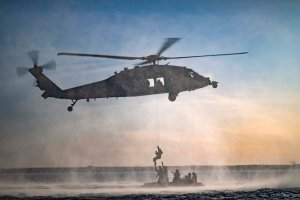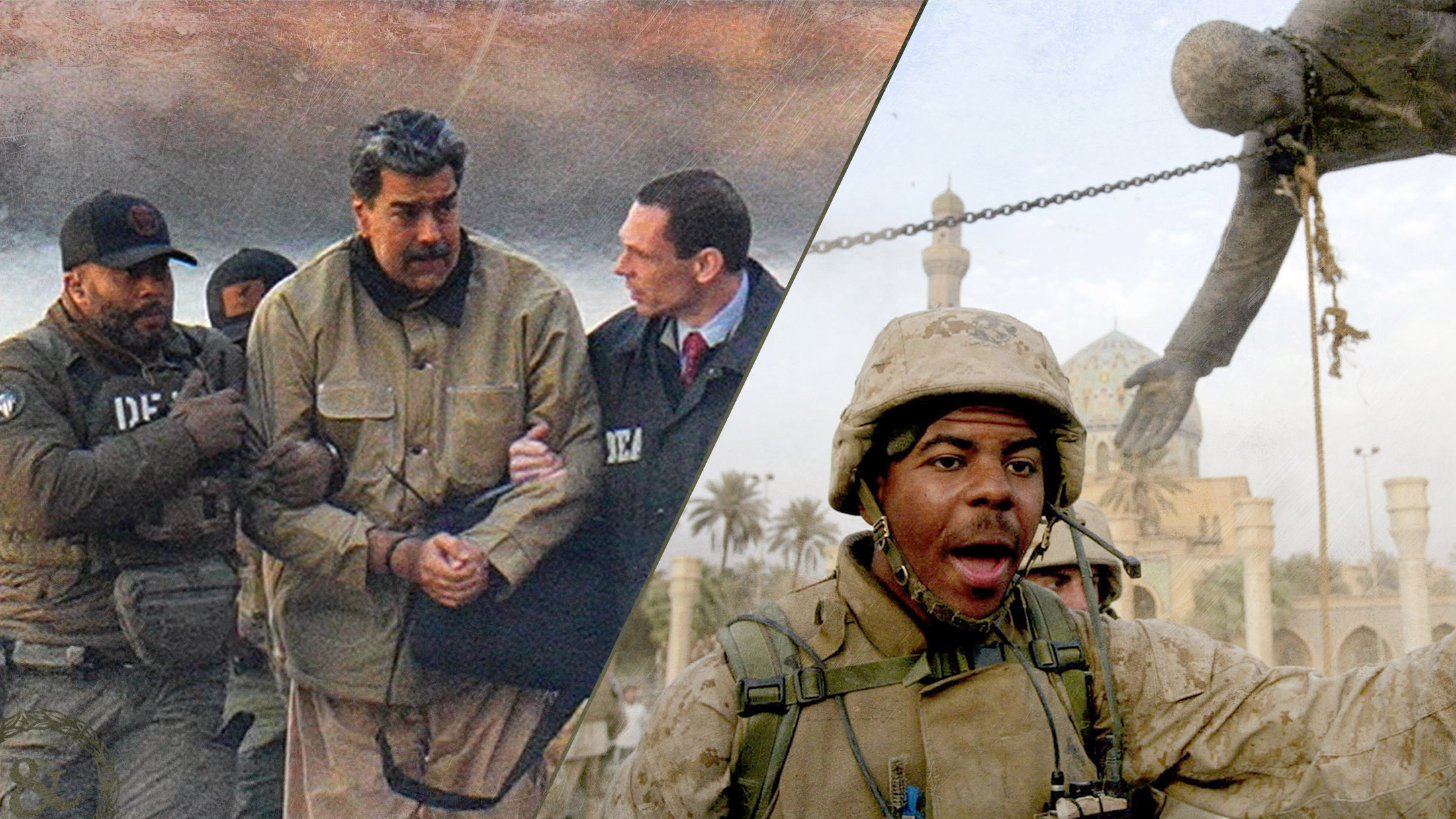
Few would argue that the special operations raid that captured Venezuelan President Nicolás Maduro was a major tactical success, but in the aftermath of the “Forever Wars” of the 21st Century, veterans are left wondering if the operation marks a clean end to the Maduro regime, or if it is the start of another prolonged conflict.
Task & Purpose reached out to veterans of the Iraq and Afghanistan Wars to gauge their reactions to the operation President Donald Trump announced on Jan. 3.
They included former U.S. military commanders, current members of Congress, and a Medal of Honor recipient. While several agreed that the raid was well executed, others are worried that the mission could follow past forays into nation-building following regime change.
To Retired Army Capt. Florent Groberg, a Medal of Honor recipient who helped tackle a suicide bomber in Afghanistan, the mission to capture Maduro shows U.S. special operations at its best.
“What this operation demonstrates is the extraordinary professionalism and capability of the U.S. military, particularly our special operations forces,” Groberg told Task & Purpose on Monday.
Top Stories This Week
Missions that are this complex require years of integrating intelligence and a disciplined execution to be successful, he said.
“It reflects a force that knows exactly what it is doing and operates at the highest level,” Groberg said. “From a purely military perspective, this is something Americans should be proud of. It underscores that our military remains the best trained and most capable in the world.”
Legacy of the Forever Wars
However, nothing happens in a vacuum, and the U.S. military has learned the hard way that there are two types of success: Initial and ultimate. In both Iraq and Afghanistan, U.S. troops were able to overthrow the ruling regimes in quick campaigns. Then they found themselves sucked into bitter insurgencies that consumed a generation of service members.
Some veterans see similarities between the Maduro raid and pivotal moments at the start of the “Forever Wars,” which launched after the Sept. 11, 2001, terrorist attacks and saw the U.S. military engaged in Iraq and Afghanistan without a clear strategic end state. One of those veterans is Sen. Ruben Gallego (D-Ariz.), whose Marine unit suffered high casualties during the Iraq War.
“Many other veterans and I are seeing the parallels — the oil, the regime change, the quick declaration of victory without a long-term plan — and we do not want our country to go down this path again,” Gallego said in a statement to Task & Purpose.
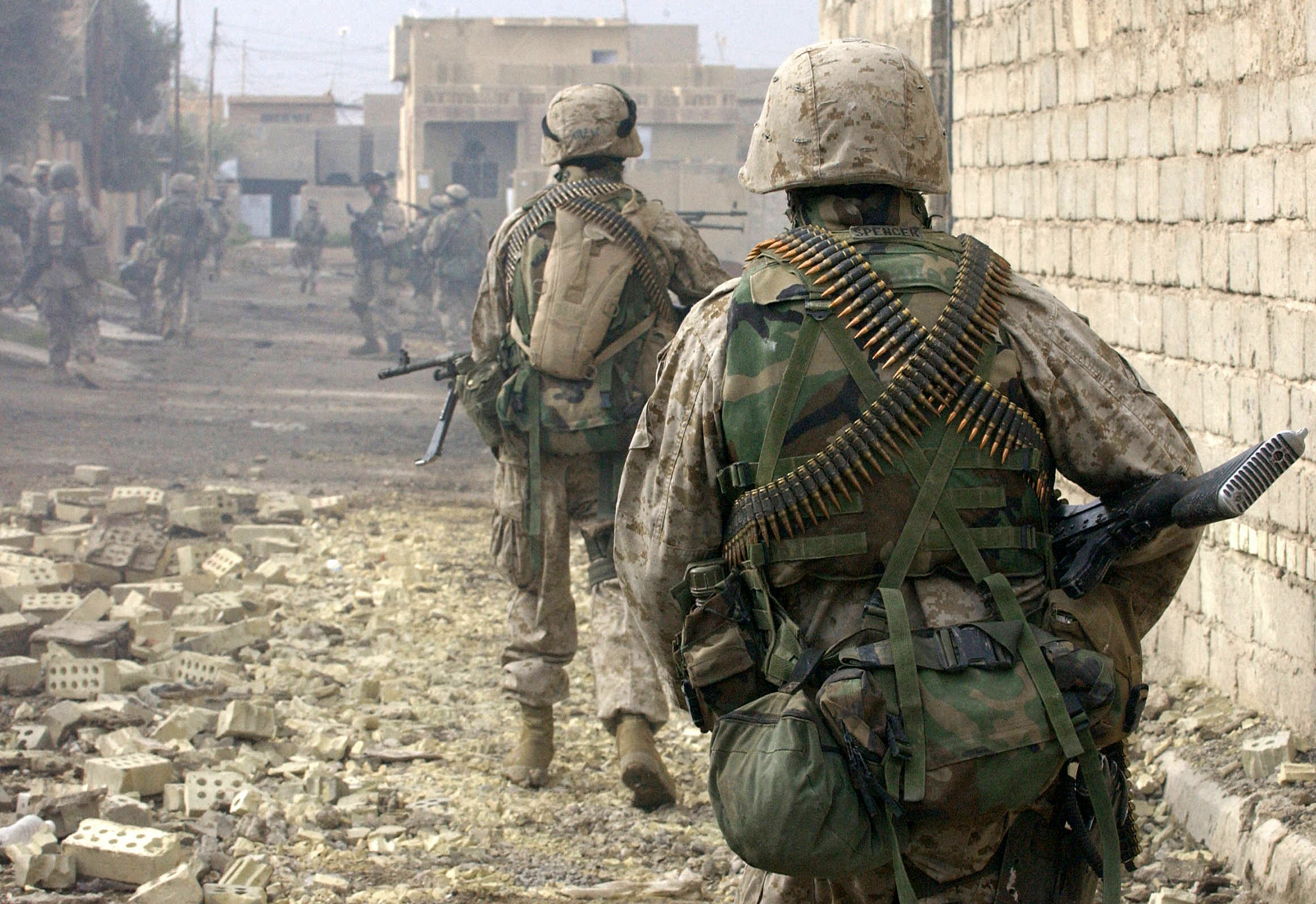
In 2005, Gallego served with Lima Company, 3rd Battalion, 25th Marine Regiment, 4th Marine Division, which lost 22 Marines and a Navy Corpsman during its deployment to Iraq.
“I lost some of my closest friends in Iraq, and coming home knowing it was all for an illegal war was devastating,” Gallego said. “Obviously, we know that Venezuela has different geopolitical realities and that this will not unfold the exact same way, but Trump’s military attack has shown that he could care less about the Iraq and Afghanistan veterans who are screaming from the rooftops right now in warning.”
For some, the possibility that Venezuela could become another Forever War is reopening some wounds that never quite healed.
Marine veteran Peter Lucier deployed to Afghanistan in 2011 and 2012. For him, the parallels between Venezuela and the post-9/11 wars are “stark and frightening.”
“I think there’s at least a chunk or a population of veterans who look at this with a level of recognition and despair,” said Lucier. “We see elements that look incredibly familiar, and not in a good way.”
In particular, Lucier said he was alarmed by President Trump’s comments to reporters on Jan. 3 that the United States will “run the country”, which he feels harken back to the U.S. military’s past efforts to “impose democracy through force” in Iraq and Afghanistan.
“When I hear that kind of language, that to me sounds like a long-term commitment in a country that we don’t fully understand or don’t have a full appreciation for the politics,” Lucier said.
“The GWOT [Global War on Terrorism] veteran in me looks at this and is just sad,” he continued, “Because it seems like we’re embarking on another war that’s going to affect a lot of lives in really negative ways and is incredibly strategically misguided.”
‘Righteous’ mission
While some veterans are concerned over the fallout of capturing Maduro, others see the operation itself as a historical success for the U.S. military.
In terms of its execution, the operation to capture Maduro could be likened to the 2011 Navy SEAL raid that killed al-Qaida leader Osama bin Laden, said retired Army Gen. David Petraeus, who led U.S. troops in Iraq during the surge and later commanded all U.S. and NATO forces in Afghanistan.
“This operation obviously included the destruction of the supposedly sophisticated Russian and Chinese air and ballistic missile defense systems,” Petraeus told Task & Purpose. “It incorporated a vast number of capabilities — over 150 aircraft launched from 20 different locations. So, an operation of enormous scale, complexity and skill. A truly remarkable demonstration of American military power.”
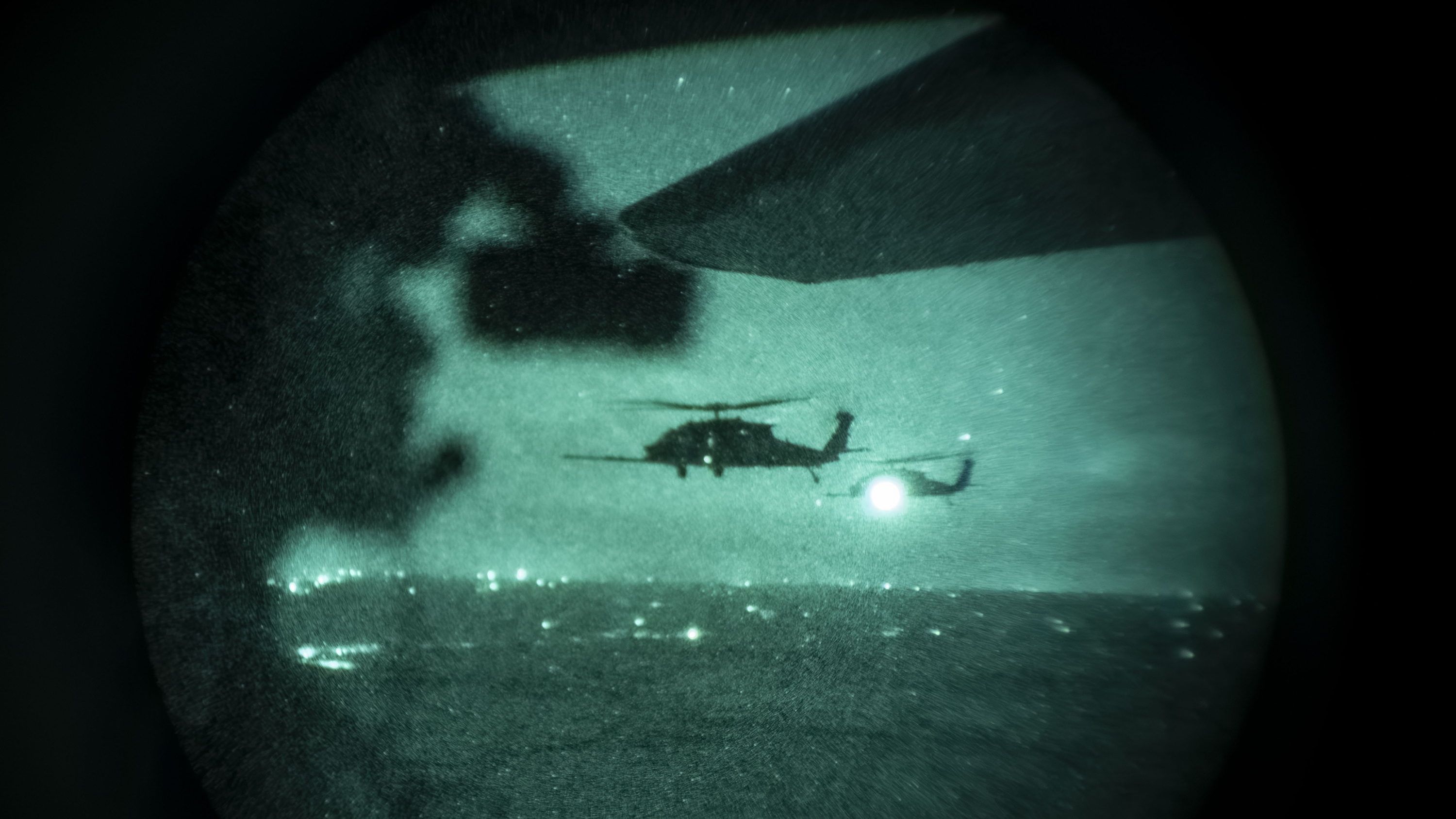
The U.S. military has been refining its technique for such operations for decades, starting with the failed 1980 mission to rescue U.S. hostages in Iran that ultimately led to the creation of U.S. Special Operations Command, Petraeus added.
For Rep. Dan Crenshaw (D-Texas), Maduro’s capture was “righteous and long overdue,” the retired Navy SEAL posted on X.
What happens next?
No one wants to fight the last war, and so far the U.S. military has not been tasked with occupying and administering Venezuela. That could be a sign that President Trump may be trying to avoid some of the mistakes from the Global War on Terrorism.
The Trump administration has shown that it does not want to deploy troops to Venezuela unless it feels it absolutely has to, said Iraq war veteran Alex Plitsas.
“I think the Forever Wars actually informed some of the strategy for what was done in Venezuela over the weekend, in that it was clear that the administration only wanted to conduct a raid to quickly grab Maduro without having any troops on the ground, said Plitsas, a former Army staff sergeant who deployed to Iraq in 2008.
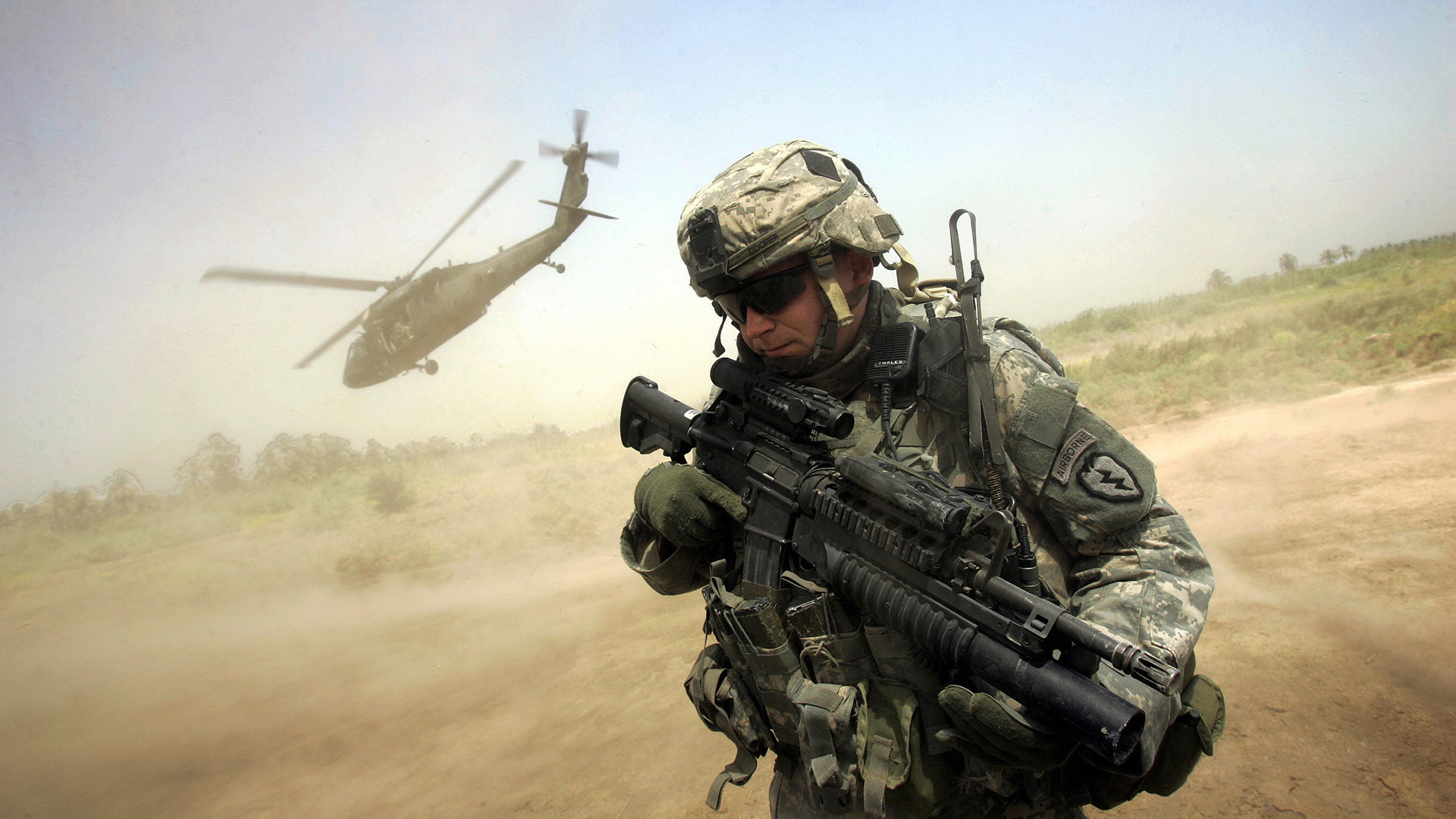
One major indication that the Trump administration does not want to take over Venezuela is the fact that only about 2,200 Marines have been deployed to the Caribbean, Plitsas said. A force that size is too small to capture and hold territory, such as Venezuela’s capital city, Caracas, he said.
“I think the Forever Wars and having troops on the ground in places for a long time served as a big motivator for the administration to limit the scope of an intervention here,” Plitsas told Task & Purpose.
But that doesn’t preclude U.S. troops from eventually deploying to Venezuela. Following the Jan. 3 raid, Trump told reporters, “We’re not afraid of boots on the ground,” adding later, “We’re going to have presence in Venezuela as it pertains to oil.”
Plitsas noted that the current Venezuelan government, military, and security services continue to operate even though Maduro is gone, so Trump’s comments could indicate that he is willing to launch further military action if he deems it necessary, possibly including sending U.S. troops to secure oil facilities inside Venezuela.
“At this point, I think all of us need to watch what the Venezuelan government does from here and whether or not it’s going to cooperate with the U.S. to determine whether or not this is going to turn into a much longer conflict than this one-and-done raid to arrest and extradite Maduro,” Plitsas said.