The pilot of an A-10 Warthog had to eject due to damage and a helicopter was hit during the rescue on Friday of one of two F-15 crew members who were shot down over Iran, Air Force Gen. Dan Caine, Chairman of the Joint Chiefs of Staff, told reporters on Monday.
At 4:40 am local time, the F-15 with the call sign “Dude 44” went down over Iran, prompting President Donald Trump to immediately order a rescue mission, Caine said at a White House briefing.
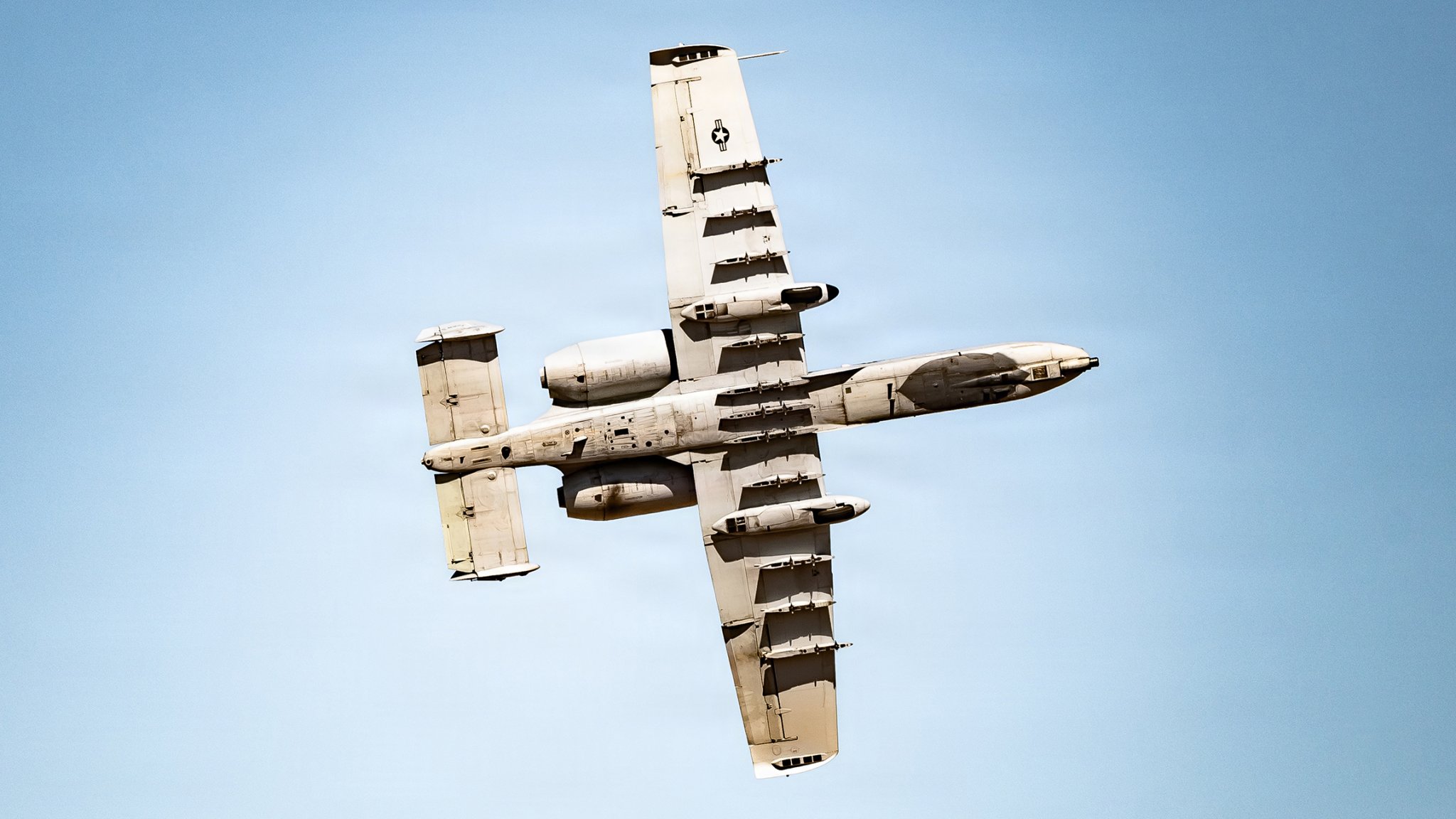
As aircraft assigned to the rescue operation flew toward the downed pilot, A-10s, drones, and other tactical aircraft took part in “violently suppressing and engaging the enemy in a close-in gunfight,” Caine said. During the fight, one of the A-10s was hit by enemy fire, he said.
“This pilot continued to fight, continued the mission, and then upon exit, flew his aircraft into another country and determined that the airplane was not landable,” Caine said. “The pilot then made the decision to eject over friendly territory, and was quickly and safely recovered and is doing fine.”
Top Stories This Week
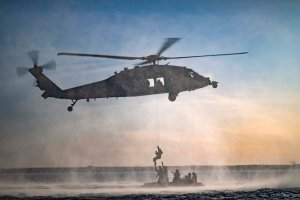
After the pilot was rescued, one of the HH-60 Jolly Green helicopters taking part in the mission was hit by small arms fire, Caine said.
“The crew sustained minor injury, and they are going to be fine,” Caine said.
The second downed crew member was rescued on Sunday in a separate mission, he said.
Also on Monday, Trump confirmed that some of the aircraft that took part in the second rescue had to be destroyed after facing difficulties taking off. He described those aircraft as “old planes,” adding, “We blew them up to smithereens.”
Trump described the weapon that downed the F-15 as a “shoulder missile, heat-seeking missile” that was “sucked in right by the engine.”
“I ordered the U.S. armed forces to do whatever was necessary to bring our brave warriors back home, a risky decision, because we could have ended up with 100 dead, as opposed to one or two,” Trump said. “It’s a hard decision to make, but in the United States military we leave no American behind. We don’t do it.”
The second crew member, an Air Force colonel, who managed to avoid being captured even though he was injured, Trump said.
“Despite the peril, the officer followed his training and climbed into the treacherous mountain terrain and started climbing toward a higher altitude, something they were trained to do in order to evade capture,” Trump said. “He scaled cliff faces, bleeding rather profusely, treated his own wounds, and contacted American forces to transmit his location.”
The second mission, this time to rescue the colonel, involved 155 aircraft, including 68 fighters, 48 aerial tankers, 13 rescue aircraft, and four bombers, Trump said.
At one point during Monday’s briefing, Trump turned to Caine to ask how many troops took part in both rescue missions.
“I’d love to keep that a secret,” Caine replied.