Hundreds of National Guard service members from several states along the East Coast are responding to the “bomb cyclone” winter storm that dumped record levels of snow across the northeast over the weekend. In military vehicles built for high-water and roadless terrain, Guardsmen are responding to emergency calls where even the beefiest of civilian vehicles cannot.
One team of four Massachusetts Guardsmen responded to dozens of calls for help Monday night in the small town of Duxbury, Massachusetts, where 30 or more inches of snow were reported from several nearby weather stations.
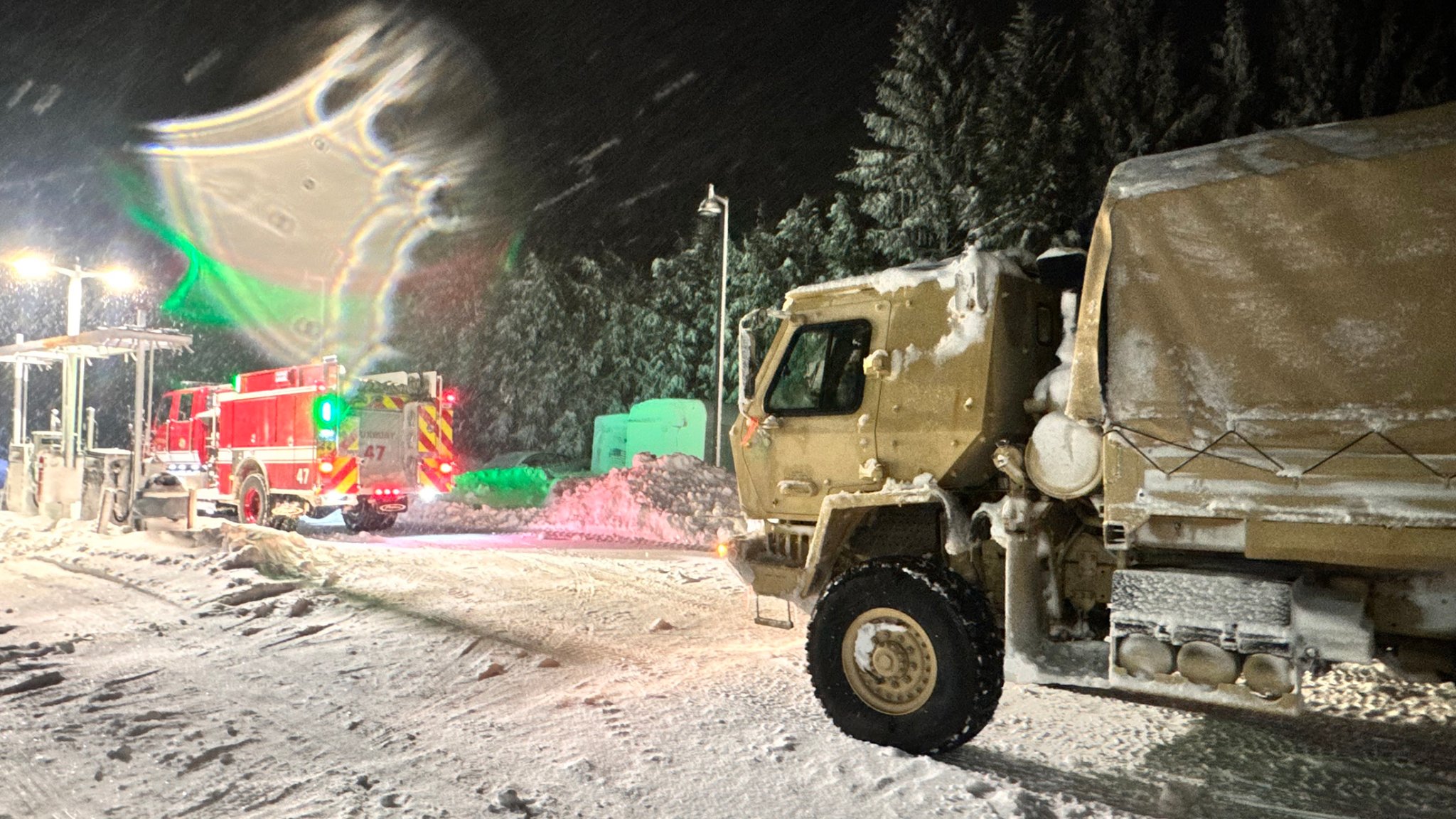
The four Guardsmen brought two Light Medium Tactical Vehicles, or LMTVs, to Duxbury, just south of Boston, where fire trucks and police cars could not respond to a flood of calls, state and local officials said.
As residents made over 100 calls for help during and after the storm, said Rob Reardon, the town’s fire chief and emergency management director, first responders quickly found they could not reach many streets and neighborhoods.
But the LMTVs could.
Top Stories This Week
“The National Guard came in last night,” Reardon told Task & Purpose Tuesday morning. “My guess is they’ve been on 30 or 40 calls. I don’t know for sure. But that’s a good guess. Typically, just so you understand, we do eight to 12 calls a day. So, this call volume is 10 times our normal volume.”
As Reardon spoke to Task & Purpose on Tuesday morning, the National Guard was enroute to transport a person with carbon monoxide in their home.
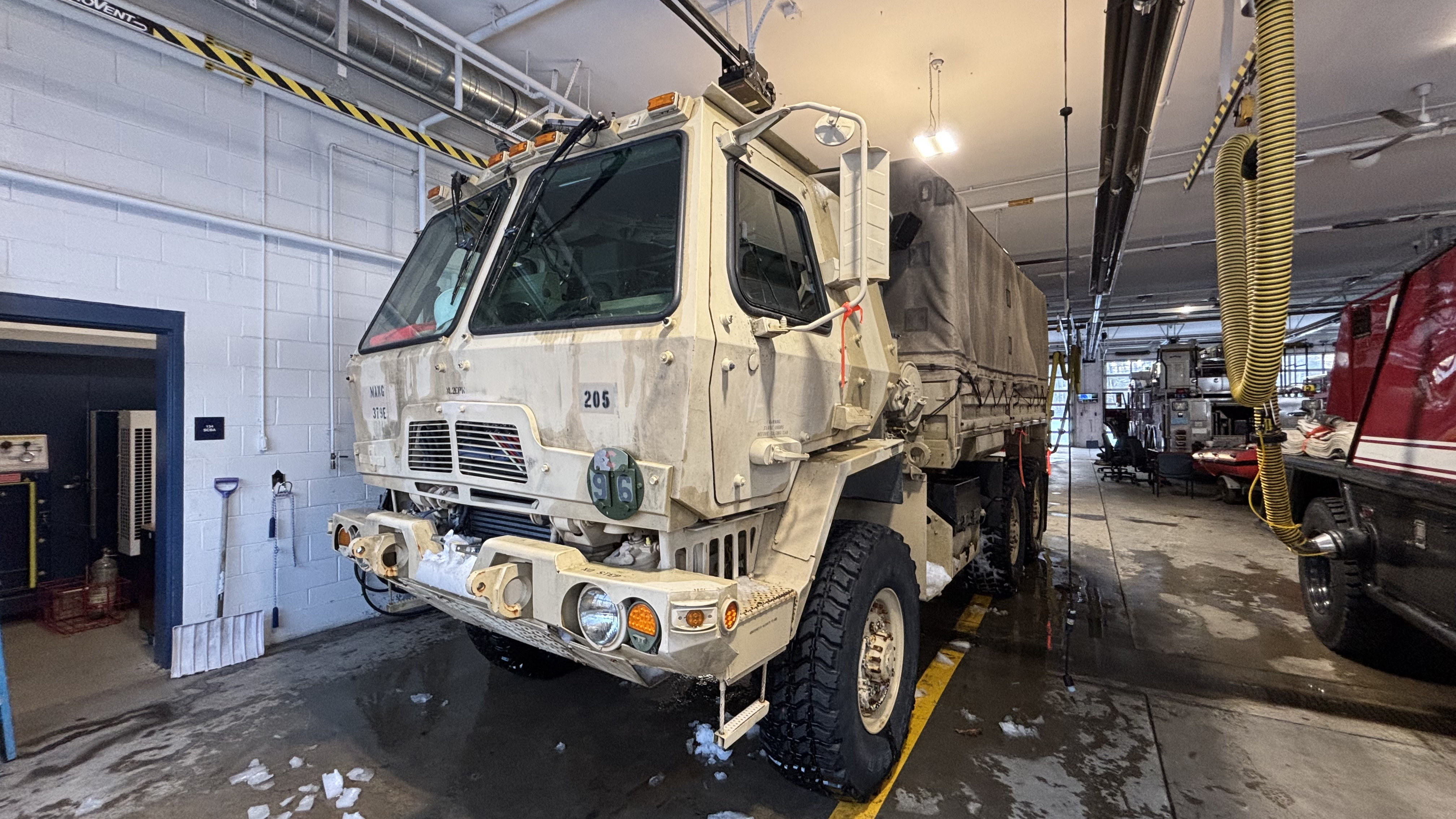
Given the “incredible amount of snow,” the National Guard’s vehicles have proven vital in helping reach people who need help, Reardon said. LMTVs ride on 47-inch off-road tires and have 22 inches of ground clearance. Many municipal fire trucks have half that clearance and usually ride on tires made for dry streets
“We’re looking at 5-foot snow drifts,” Reardon said. “So, it’s just so helpful to have that extra support because we can’t manage all these calls ourselves.”
Reardon said the National Guard has been a “tremendous help,” especially because the fire department is currently short-staffed.
“They’re able to take care of so many things that we don’t have the staff to do right now,” Reardon said. “Everybody needs something right now. People are cold. People don’t have power. People have CO [carbon monoxide] in their houses. All the stuff that people can normally take care of, but when you have 4-foot snow drifts, they have no ability to take care of this stuff.”
600 Guardsmen activated from Maryland to Rhode Island
Across the northeast, more than 600 National Guardsmen are currently activated after Winter Storm Hernando left a trail of snow running from Maryland to Maine on Sunday and Monday, according to the National Guard Bureau. Parts of the country received the most snow in more than a decade.
The Guardsmen in Duxbury are among the 350 activated statewide by Massachusetts Gov. Maura Healey to help municipalities respond to emergency calls on snow-buried roads and provide other assistance.
Most of the Guardsmen come from military police, engineer, and transportation units, Massachusetts National Guard spokesman Don Veitch told Task & Purpose. They are currently conducting high water rescues, route clearance, debris removal, and transportation support, he said.
“Above all, the preservation of life and property remains the top priority,” Veitch said.
In Rhode Island, about 60 Guardsmen began patrolling the roads on Monday to help motorists who are stuck or in need of help, said Rhode Island National Guard spokesman Col. Brenton Groeneveld.
In Maryland, roughly 40 National Guard soldiers and more than a dozen vehicles were mobilized for tasks including clearing fallen trees and other debris from major roadways and escorting first responders through hazardous and impassible road conditions, said Capt. Dylan Bradford, a spokesman for the Maryland National Guard.
The missions the Guardsman have conducted include helping to tow a police vehicle that was stuck in the snow and putting large mats over snow so that a power company’s trucks could drive off-road to restore electricity, Bradford said.