A new government watchdog report found that military ground vehicles used by the Army and Marine Corps are often not able to be used in the field by troops. The Government Accountability Office report found that of the 18 different combat and support vehicles examined, 16 are not mission capable or available for operations. The GAO’s investigation found that the decline — looking at data from 2015 to 2024 — often stemmed from a lack of available materiel and parts, as well a decline in the number of available maintainers.
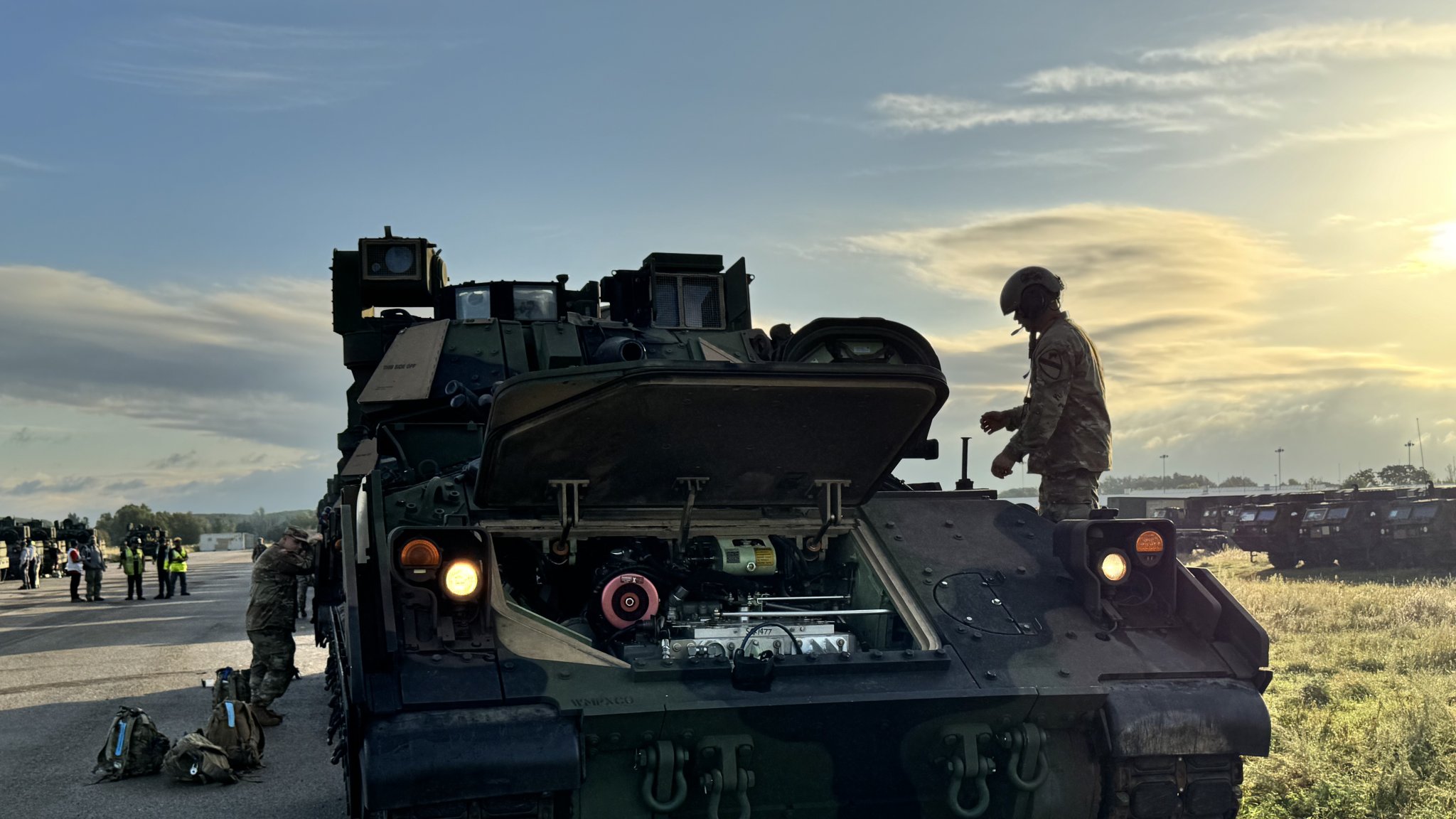
The GAO report, “Weapon System Sustainment: Various Challenges Affect Ground Vehicles’ Availability for Missions,” looked at 18 combat and support vehicles, including Stryker Combat Vehicle, Bradley Fighting Vehicles and Joint Light Tactical Vehicles. It found that as maintenance needs piled up, actual repairs and overhauls declined, greatly impacting the availability of almost all of the ground vehicles for combat missions.
It found that five out of the six Army combat vehicles did not meet “mission capable” standards for a single year, while of the six Army support vehicles examined, they were mission capable only 20% of that time period. The Army’s own goal is to have vehicles ready 90% of the time. The Marine Corps didn’t have a comparable set goal, according to the GAO, judging mission capability in a different way. However the study found that five of the seven Marine vehicles saw similar declines in readiness and availability over the 2015 to 2024 fiscal year periods.
As to why the two services saw such a decline in the readiness of their ground vehicles for missions, specific reasons varied depending on the vehicles. However in the case of all 18 vehicles that the GAO looked at, a lack of supplies and material played a role, as did issues with available technical data. In other cases, parts showing up damaged or later than planned impacted the availability of ground vehicles, while unplanned maintenance from unexpected damage in the field added to backlogs.
Out of stock and out of date
In one comparison, the GAO found that the number of vehicle overhauls done by Army maintenance depots dropped from 1,278 in the 2015 fiscal year to 12 in the 2024 one. For the Marine Corps, the number dropped from 725 to 163 during that time period.
One common factor across both services is a lack of parts for fixing and overhauling these ground vehicles. Additionally, the report noted that in many cases the shortage prompted the Army to source parts from older vehicles that were no longer in use in order to make repairs.
In some instances, those shortages come from a lack of production higher up in the logistics chain, with demand outpacing supply. Military maintainers are left unable to source parts, or relying on outside manufacturers or contractors. Maintenance delays and trouble sourcing parts have been a major headache for the armed forces, particularly the Navy and the Army.
Alongside the physical parts shortage, the GAO found that sustainment suffered from a limited number of skilled maintainers and technicians versed on repairs. Even if there were those maintainers available, the Army and Marine Corps often lack up-to-date technical drawings.