Space Force guardians have been expanding their terrestrial and orbital infrastructure for months, and this month they gained a new asset: a satellite that will let them train in the kind of “orbital warfare” the service wants to master.
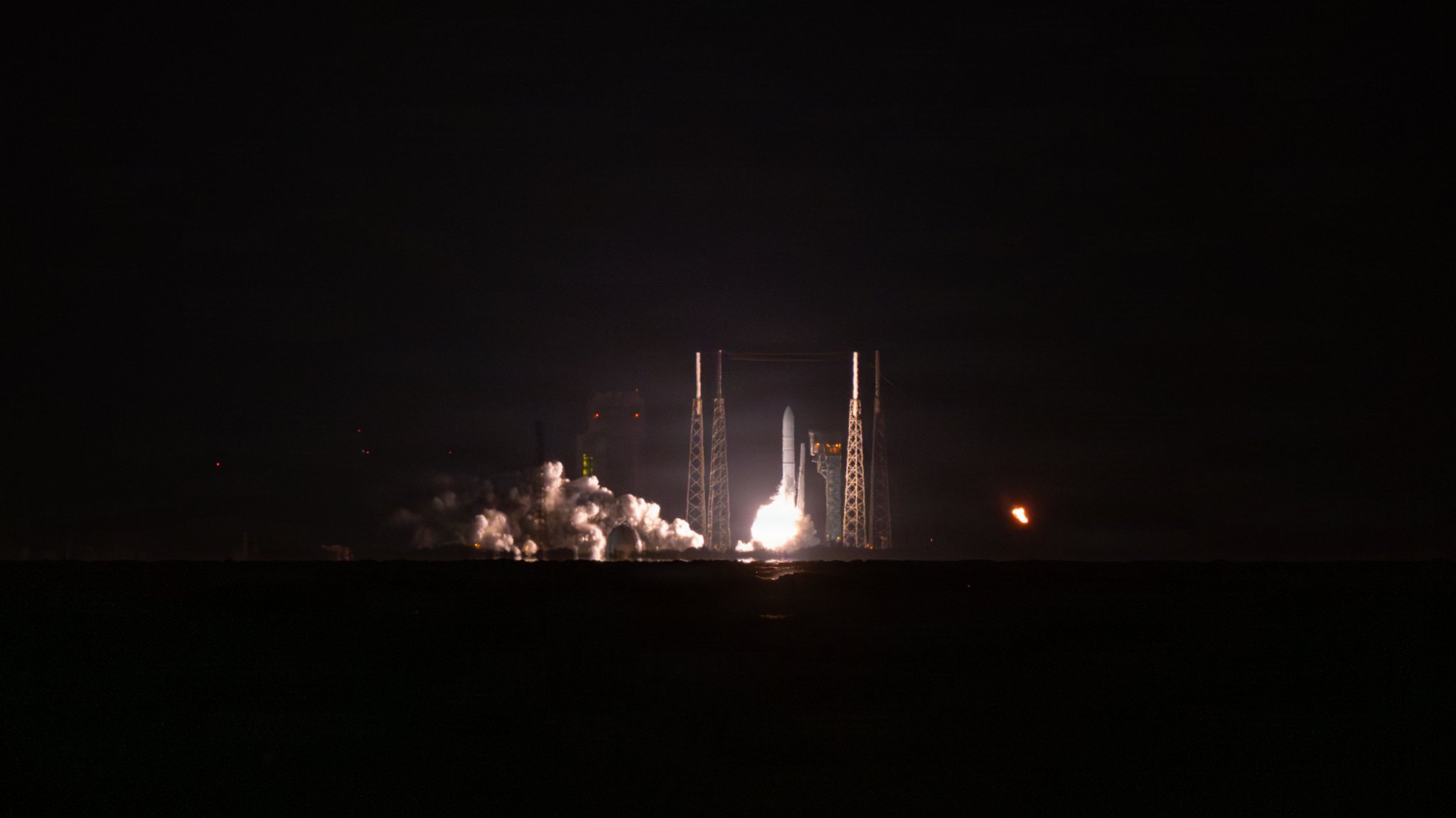
The satellite launched from Cape Canaveral Space Force Station, Florida on Feb. 12. The official Space Force launch, designated USSF-87, was originally announced to be carrying two Geosynchronous Space Situational Awareness Program (GSSAP) satellites — themselves meant to help with space-based surveillance — but there was one more satellite onboard only revealed this past week. Combat Forces Command Commander Lt. Gen. Gregory Gagnon told journalists at the Air and Space Forces Association’s Air Warfare Symposium about the third satellite, and gave some initial details on how it will be used by Space Force guardians. Air & Space Forces Magazine first reported on the new satellite.
Top Stories This Week
Space Force’s exact definition and doctrine for orbital warfare remains unclear — although systems fielded for it have been confirmed to be nicknamed after Norse mythology — but according to Gannon’s comments this week, guardians will focus on maneuvering the satellite in orbit to position it for offensive purposes, or move to avoid adversaries.
The manufacturer and type of satellite was not revealed, but Gagnon told reporters that the new tool is distinct from previous ones. Satellites used for training already in orbit are like a civilian aircraft, while this is comparable to military aircraft, he added.
“They’re going to work on driving that spacecraft in a way that we couldn’t drive spacecraft before,” Gagnon told journalists on Wednesday.
Space Delta 9, the Space Force unit focused on orbital warfare, will operate the new satellite. The unit also oversees the X-37B space plane, the service’s secretive uncrewed vehicle currently in orbit on its eighth mission. Although Gagnon did not mention it specifically, the launch and activation of a new maneuver training satellite fits into previously revealed plans for an orbital opposition force, put out last year, that would allow guardians to train for theoretical space-based conflicts against similarly deployed enemy systems in low-Earth orbit.
During the same event, Gagnon also talked to reporters vaguely about “protective measures” for American satellites. He did not go into specifics, but other developments by the service suggest what it could entail.
Space Force began seriously talking about the concept of orbital warfare last year. Although the service had prioritized expanding its infrastructure in space and countering enemy satellites, it wasn’t until last spring that officials started talking about using kinetic and non-kinetic weapons to target enemy systems from space.