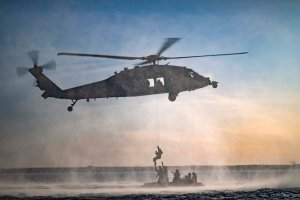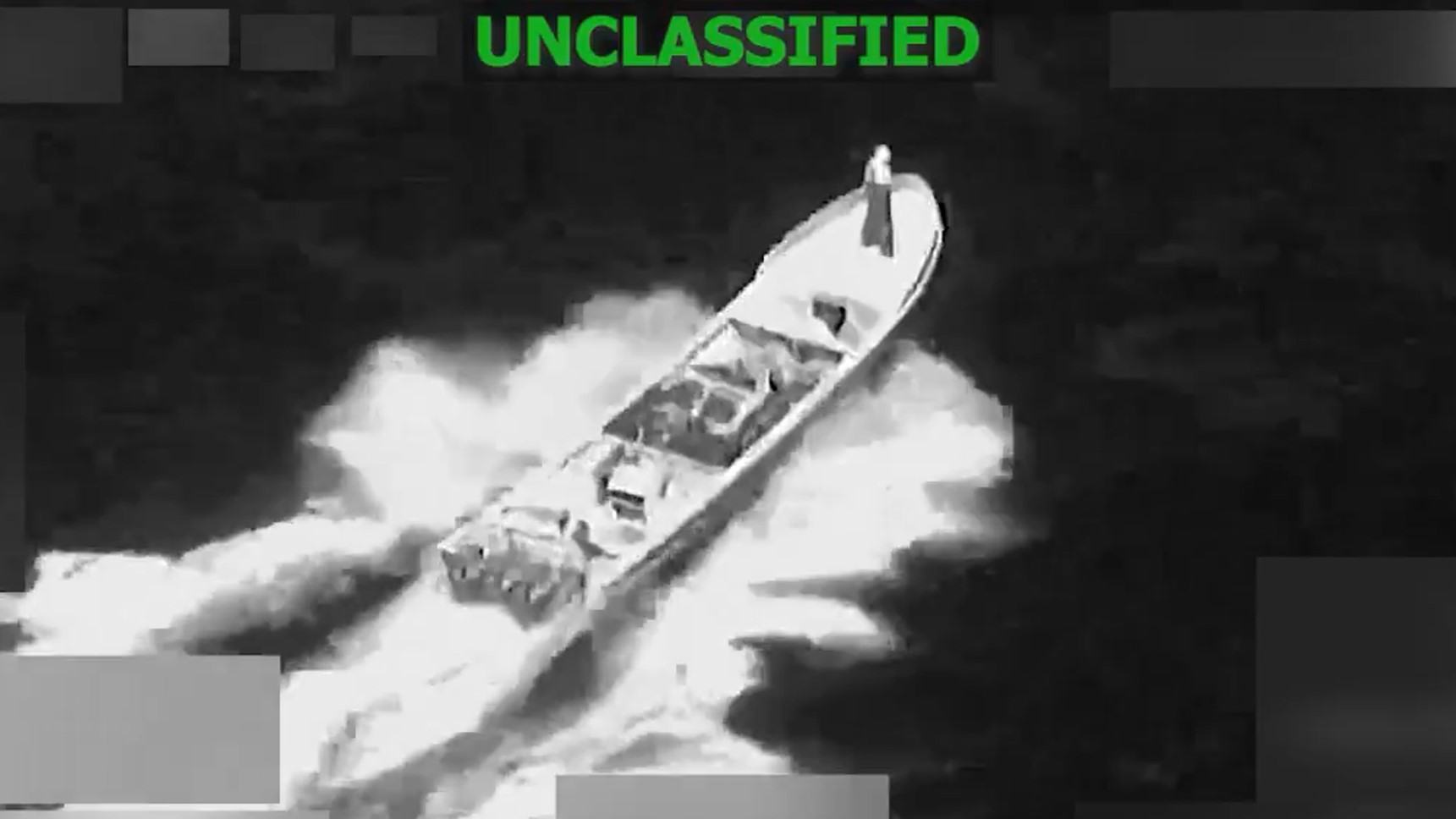
The U.S. military struck a small boat in the eastern Pacific Ocean on Friday, killing two people in the first such attack on a ship in Latin American waters this year, after nearly three dozen in the second half of 2025.
U.S. Southern Command announced the airstrike on Friday in a post on X, saying that forces struck a boat allegedly operated by “Designated Terrorist Organizations,” killing two people on board and leaving one survivor.
The command noted that it “immediately” notified the U.S. Coast Guard about the survivor to begin search and rescue efforts. It’s unclear where those operations stand.
Friday’s airstrike is the first one the United States has carried out this year and the first lethal action the military has done in Latin American waters since the Jan. 3 attack on Venezuela that resulted in the capture and extradition of Venezuelan President Nicolás Maduro. Prior to the Jan. 23 action, the United States had conducted at least 35 strikes between September and December 2025, killing at least 117 people, according to the government’s public statements. The U.S. has repeatedly said that these boats are carrying drugs and operated by known drug trafficking groups, although it has not presented evidence.
Top Stories This Week
It also is the fifth time that airstrikes left a survivor. In the first boat strike on Sept. 2, survivors were killed in a follow-up attack, which has drawn intense criticism and scrutiny. In October a pair of survivors were quickly recovered by the U.S. Navy in the Caribbean, who were repatriated to their home countries and released. Another strike in October, near Mexico, saw the U.S. military contact Mexican authorities to recover the survivor, who was eventually declared lost at sea. In late December, SOUTHCOM had the Coast Guard look for survivors of a trio of boats struck at sea, the most extensive search effort the U.S. had done so far, but that was called off after four days.
There is a large armada of Navy ships in the SOUTHCOM area of responsibility, although reports from multiple outlets note that the strikes have been carried out under the authority of U.S. Special Operations Command rather than SOUTHCOM.
Joint Task Force Southern Spear — the command group for the force deployed to the Caribbean — has been in the region since late summer. The force, largely made up of Navy ships including the USS Gerald R. Ford aircraft carrier as well as forward-deployed Air Force units, did take part in bombing several sites in Venezuela on Jan. 3. The conventional forces conducted airstrikes on several targets while U.S. Army special operations units including Delta Force raided Caracas and captured Maduro. Maduro is currently in New York state for a trial.
The United States has since indicated it intends to keep the force in the Caribbean for the foreseeable future. Although they have not overseen the airstrikes, Naval and Coast Guard personnel in the region have been actively taking part in the interdiction and seizures of oil tankers linked to Venezuela. Seven have been taken since Dec. 10, the most recent this past week. At least two captured ships were spotted near Puerto Rico on Wednesday, Reuters reported.