The Air Force and Space Force are spending millions of dollars researching a concept called “rocket cargo,” where they would shoot a capsule full of troops or supplies into orbit and land it anywhere on Earth in 90 minutes or less, which is way faster than anything they have currently.
That kind of capability could be a game-changer in future conflicts, where U.S. troops may be more spread out and isolated than they’ve been in decades. But tough questions remain, such as how to make rocket cargo cheap, fast and safe enough to work at scale and in combat?
First, some context. From 1970 to 2000, the average launch cost to get a kilogram into space was about $18,500, according to a NASA research paper. In 2010, SpaceX’s Falcon 9 brought it down to $2,700 per kilogram, and it could fall even further as more companies enter the space launch business and as bigger, more reusable rockets make for better economies of scale.
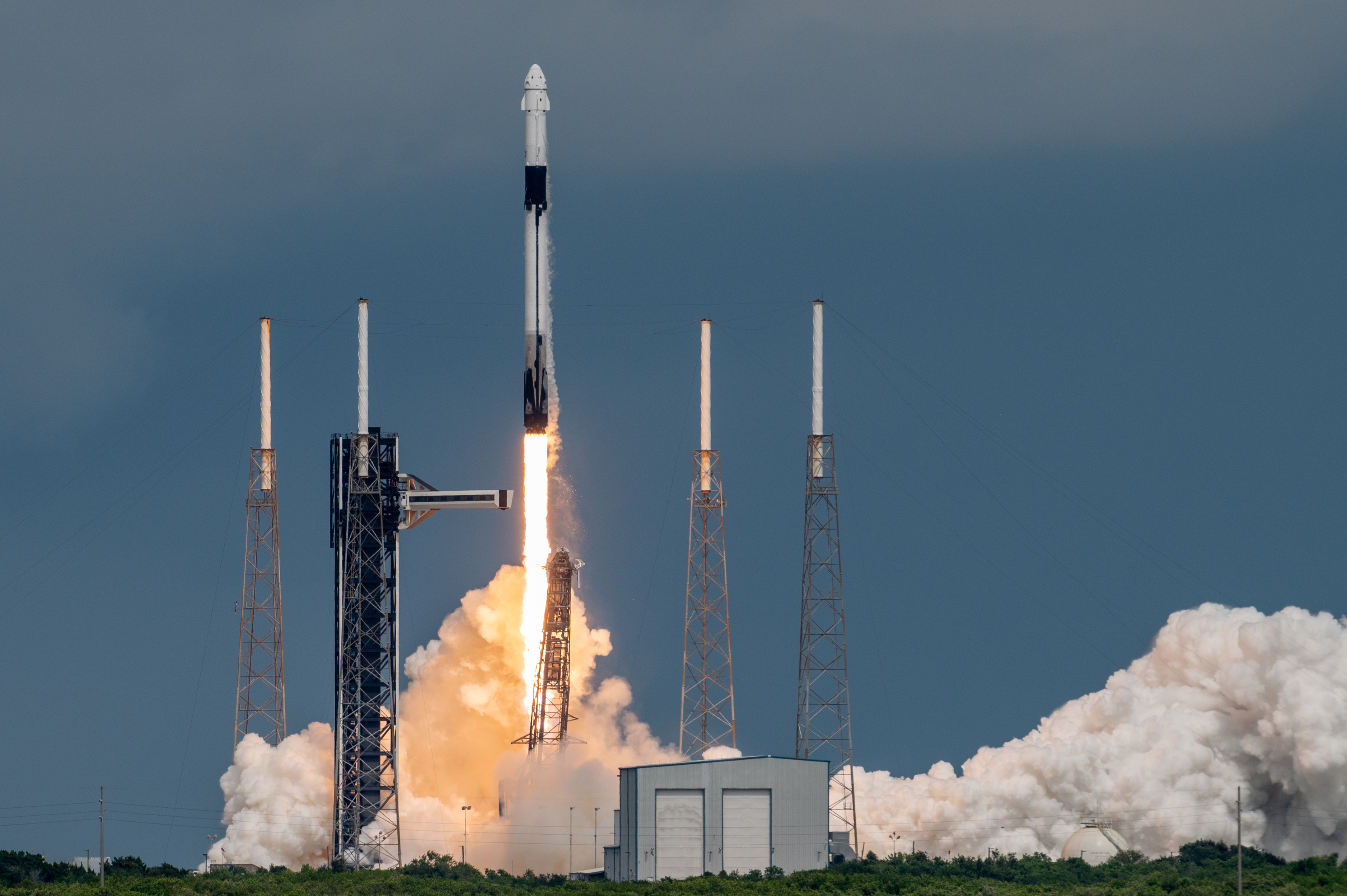
Cheaper space launches mean things like rocket cargo may become more feasible. Since 2020, the Air Force and Space Force have awarded more than $100 million in research and test contracts to companies such as SpaceX, Blue Origin, Anduril, Sierra Space, and Rocket Lab. The idea for rocket cargo is to adapt these companies’ rockets to urgent tactical or humanitarian missions.
“Think about moving 80 short tons, the equivalent of a C-17 payload, anywhere on the globe in less than an hour,” the head of U.S. Transportation Command, Army Gen. Stephen Lyons, said in 2020. “We should challenge ourselves to think differently about how we will project the force in the future, and how rocket cargo could be part of that.”
Why does the military need rocket cargo when it already has massive cargo planes that can drop hundreds of paratroopers or land a tank on a dirt strip an ocean away?
The answer is that while military airlift is awesome, it’s not magic. It takes at least half a day to get from the continental U.S. to the Middle East, and closer to an entire day to reach the western Pacific. Those flights need diplomatic clearances from the countries they fly over; they often need gas from refueling tankers that also need clearance; and none of the U.S. military’s airlift platforms have the stealth to reach friendly troops surrounded by enemy air defenses.
Rocket cargo could be a shortcut. Ninety minutes or less is really fast, and you don’t need clearance to fly over another country in space. Todd Harrison, senior fellow at the American Enterprise Institute, told us that a resupply capsule would also likely travel nearly straight down from space at hypersonic speeds for all but the last 10,000 to 20,000 feet, which makes it very difficult to shoot down for most surface-to-air weapons. They would then parachute or land vertically at their final destination.
Top Stories This Week
But while the brochure promises 90 minutes or less, it actually takes a long time to load and launch a space rocket. SpaceX connects its Falcon boosters to the rocket’s upper stages a full two days before launch just to make time for system checks. And in 2023, the Space Force was stoked to launch a satellite just 27 hours after getting launch orders.
The Space Force doesn’t own or operate any rockets, Harrison explained. Instead, they use commercial launch providers and rockets to get their satellites into orbit. The Space Force could buy and operate its own rockets to stand alert, but that would be a big change from the past several decades of doing business, and it would require a big investment, as just contracting space launches already costs tens of millions of dollars.
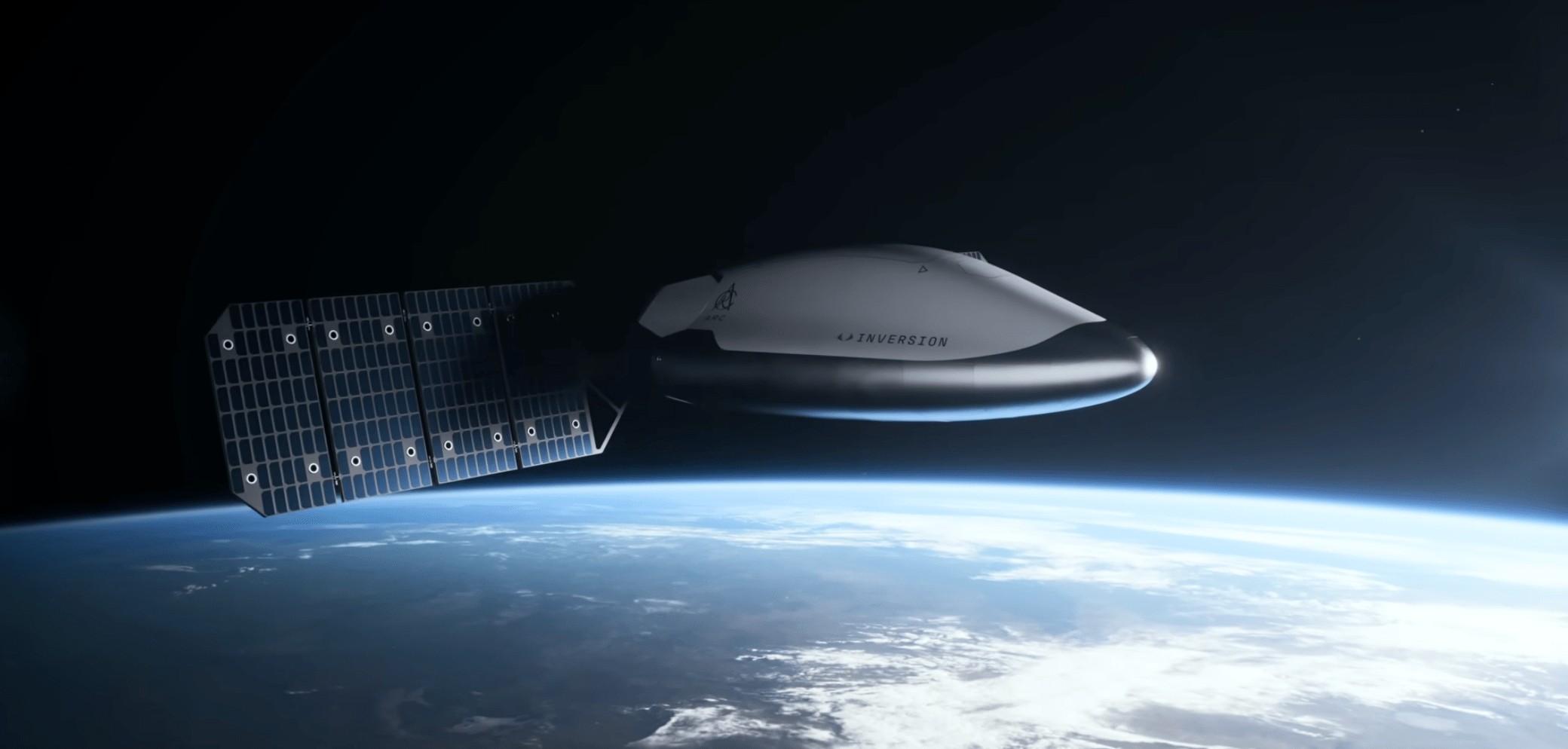
One way to get around this is a system developed by Inversion Space where a reusable spacecraft would be loaded with supplies ahead of time and then launched into orbit, where it could remain for up to five years, waiting to be called down. But the risk is that the cargo loaded on them months or years before may not be what’s needed in a crisis.
Then there is the question of what troops should do with the capsule after it’s landed. These may weigh hundreds of pounds, and troops stuck behind enemy lines probably won’t be able to haul it back with them. Does that mean leaving sensitive technology behind for the enemy to pick over?
These are big questions, but so is the need for new kinds of logistics. Military officials are imagining a more dynamic way of war, where small groups of U.S. troops hop between temporary bases so they are harder to target by enemy long-range fires. That kind of agility requires a lot of airlift and sealift, but America’s current fleets are too small to keep up with that pace of operations.
That’s where new technologies such as drone boats, rocket cargo, long-range gliders, and tiny electric self-flying planes come in, though how these tools come together remains to be seen. We dive much deeper into this on our YouTube channel, so watch that here.