
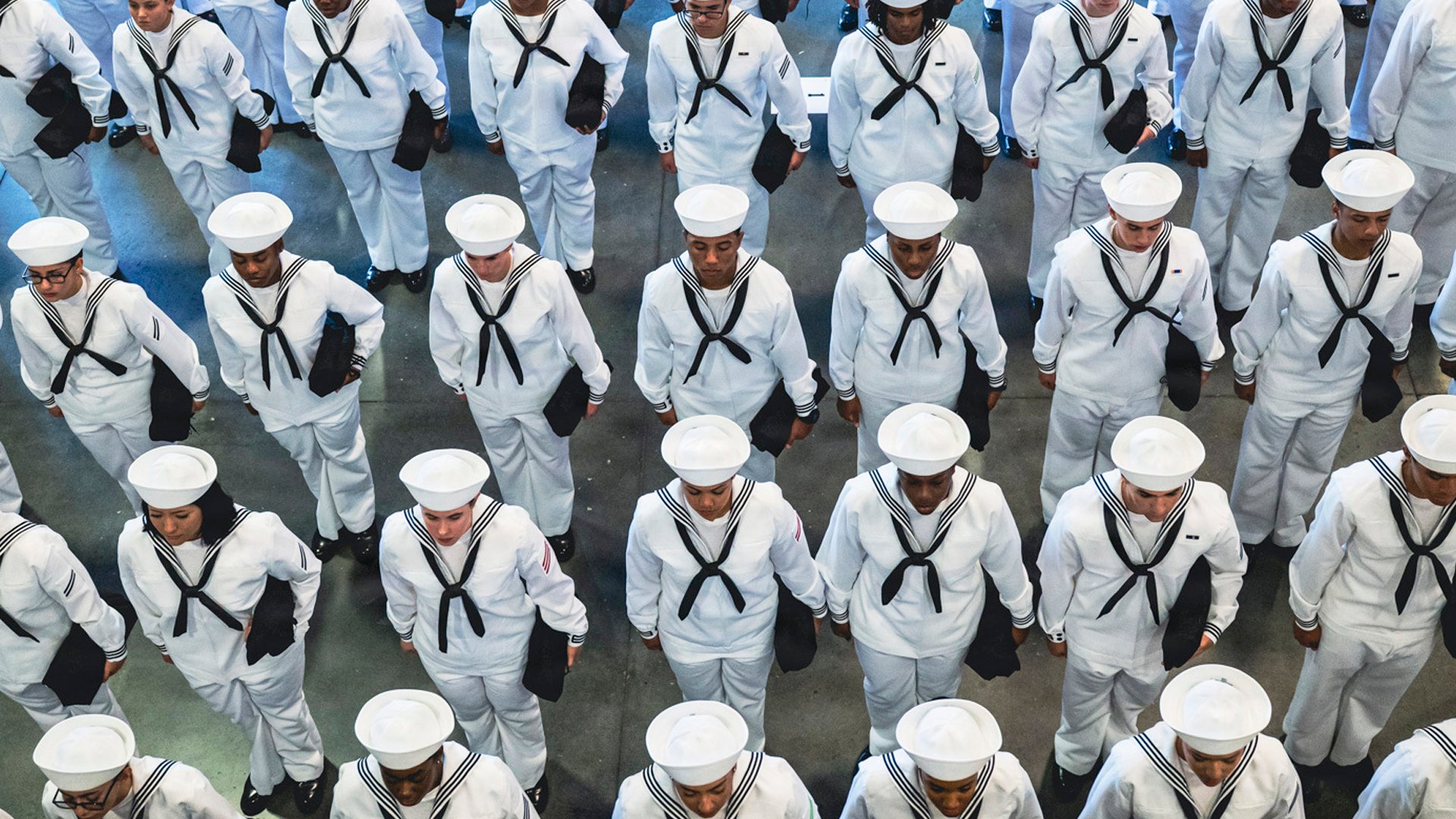
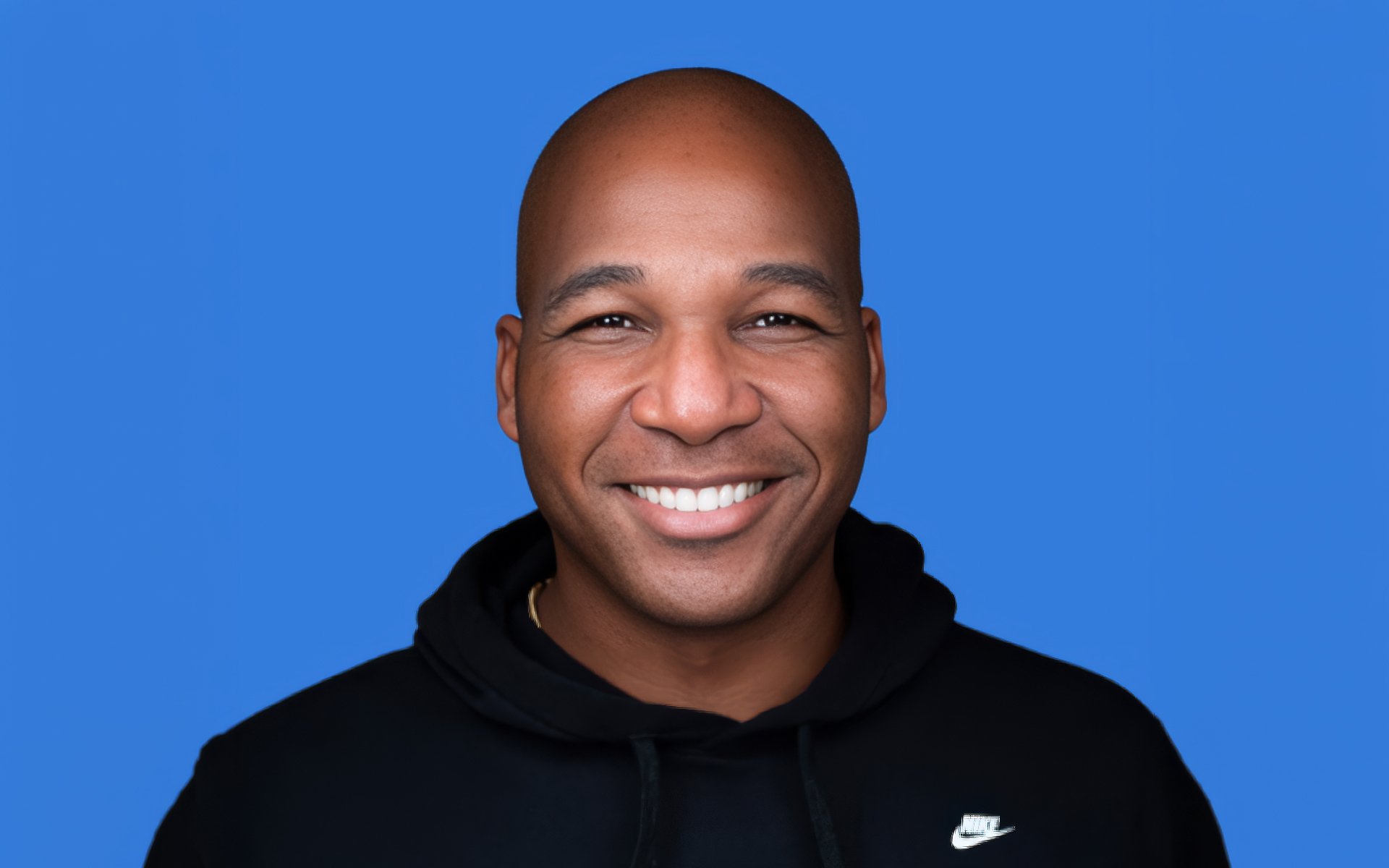
College was not a foregone conclusion for Jai Salters. He grew up in New York, spent part of his childhood in foster care and knew his family could not simply write a check for tuition. The Navy offered a path forward. More than two decades later, the former enlisted cryptologic technician is a lieutenant commander and cryptologic warfare officer with multiple degrees, including a master’s, and a stack of professional credentials.
Task and Purpose sat down with Salters to hear about how his experience taught him that earning a benefit and knowing how to use it are two different things. Salters, a lieutenant commander in the Navy, used Tuition Assistance, credit by examination, and an apprenticeship program while serving, reserving his Post-9/11 GI Bill for his daughters. We also spoke about finding the right programs, getting help along the way, and planning before paying for school.
This article has been lightly edited for clarity and style.
What education benefits have you used while serving?
I used Tuition Assistance to complete my associate degree and ultimately earn my master’s degree. I also used the College-Level Examination Program (CLEP) and DANTES Subject Standardized Tests (DSST) exams heavily. A mentor showed me how much college credit I could potentially earn through exams instead of automatically taking every traditional course. That changed my question from “What class do I need next?” to “Is there another way to satisfy this requirement?”
DANTES funds the first attempt at eligible CLEP and DSST exams for service members. But check your school’s policies and degree plan first. Each college decides which exams it will accept and how those credits apply.
I took junior sailors to the college office to sit for exams, with my chain of command’s support. After a snowstorm, some sailors had a choice: break up ice with the cleaning party or come with Petty Officer Salters and take a CLEP exam. A lot chose the CLEP. Leadership means creating that opportunity, not just saying education matters.
I also used USMAP, the United Services Military Apprenticeship Program. Eligible members can document work they are already doing toward a registered apprenticeship. My philosophy became: Do the work. Document the work. Earn the credential.
What prompted you to pursue those credentials?
Around the 10-year point of my career, I asked myself what I would have if I left the Navy tomorrow. I had experience, a security clearance, and leadership skills, but I had not finished my degree or earned the certifications I thought would help translate my experience into a civilian career.
I wanted more than a job; I wanted options for another career. In roughly a year and a half, I went from essentially no professional certifications to around 14 or 15. I researched programs, completed degrees and shared what I learned with others.
What was the hardest part of the process?
Figuring out what existed. Someone hears about Tuition Assistance, then CLEP, DSST, the Joint Services Transcript, USMAP, Navy COOL, the U.S. Naval Community College and the GI Bill. Suddenly there are lots of resources but no strategy.
Start with the destination. What career do you want? Which credentials do employers require? What experience do you already have, and what can the military pay for now? Build the plan backward so you do not collect credentials that look good on paper but do not get you closer to your goal.
Did anyone help you navigate it?
Mentorship changed my life. Master Chief Simpson saw value in the education resources I was sharing even when my first presentation was terrible. He told me to do it again. Those small briefs eventually became presentations to thousands of service members and families.
Get a mentor. And if you lead people, do more than give advice: open doors, make introductions and give them a chance to pursue their education.
What do you plan to do with your Post-9/11 GI Bill?
I set it aside for my daughters. I could complete my degrees using Tuition Assistance and other programs, so I made that choice deliberately. Education benefits can create opportunities for the whole family.
If you might transfer the GI Bill, do not wait until retirement to figure it out. The Department of Defense approves the transfer while you are still serving. Generally, you need at least six years of service and must agree to four more; your dependent must be enrolled in DEERS. Check the current rules and your own eligibility early.
What advice would you give someone just starting out?
Start earlier. Pull your Joint Services Transcript, look at CLEP and DSST, understand Tuition Assistance and check whether USMAP or your service’s credentialing program applies. Enlisted Sailors should look at the U.S. Naval Community College. Search for scholarships, talk to mentors and learn what employers in your chosen field value.
Before paying out of pocket, ask whether an existing program can cover the course or credential and whether you actually need it. Understand your GI Bill before you use it. The objective is to use the right benefit at the right time for the outcome you want.
And share what you learn. When somebody tells me that the information I passed along helped them finish a degree or change careers, that means more than another credential on my own resume.

This article is the third in an ongoing education column under the Field Guide vertical on Task & Purpose. If you’d like to share your experiences for a future column, email Task & Purpose’s editor-in-chief, James Clark, at James@taskandpurpose.com, with the subject line Field Guide: Education interview.
Loading comments…
Comments couldn’t be loaded. Please refresh the page.