
Detection systems on Joint Base Andrews failed repeatedly between January and March as jet fuel spilled into a local creek that eventually flows into the environmentally sensitive Chesapeake Bay.
Air Force personnel didn’t report the problem to the state until an odor and fuel sheen appeared near the headwaters of Piscataway Creek on March 23, Maryland authorities said.
It took about two more weeks before base officials reported the full extent of the 32,000-gallon spill, the state said. Containment berms that were later set up also collapsed twice from heavy rainfall in early April, raising fears that the fuels that can irritate the skin and lungs of people and animals could spread further downstream.
Now, Maryland’s congressional delegation is pushing Air Force Secretary Troy Meink for answers about exactly when the leak was first detected and how it will be cleaned up to protect the Chesapeake Bay, its famous Atlantic blue crabs, and the massive watershed that are synonymous with Maryland’s culture and prosperity.
“We also understand that there was a notable delay between when Joint Base Andrews discovered the fuel leak and when the State of Maryland received full information about the complete spill volume, with Joint Base Andrews failing to provide final figures until April 8,” the lawmakers wrote to Meink this week.
“Given the scale of the discharge and the potential environmental impacts,” the letter reads, “timely and transparent communication will be critical.”
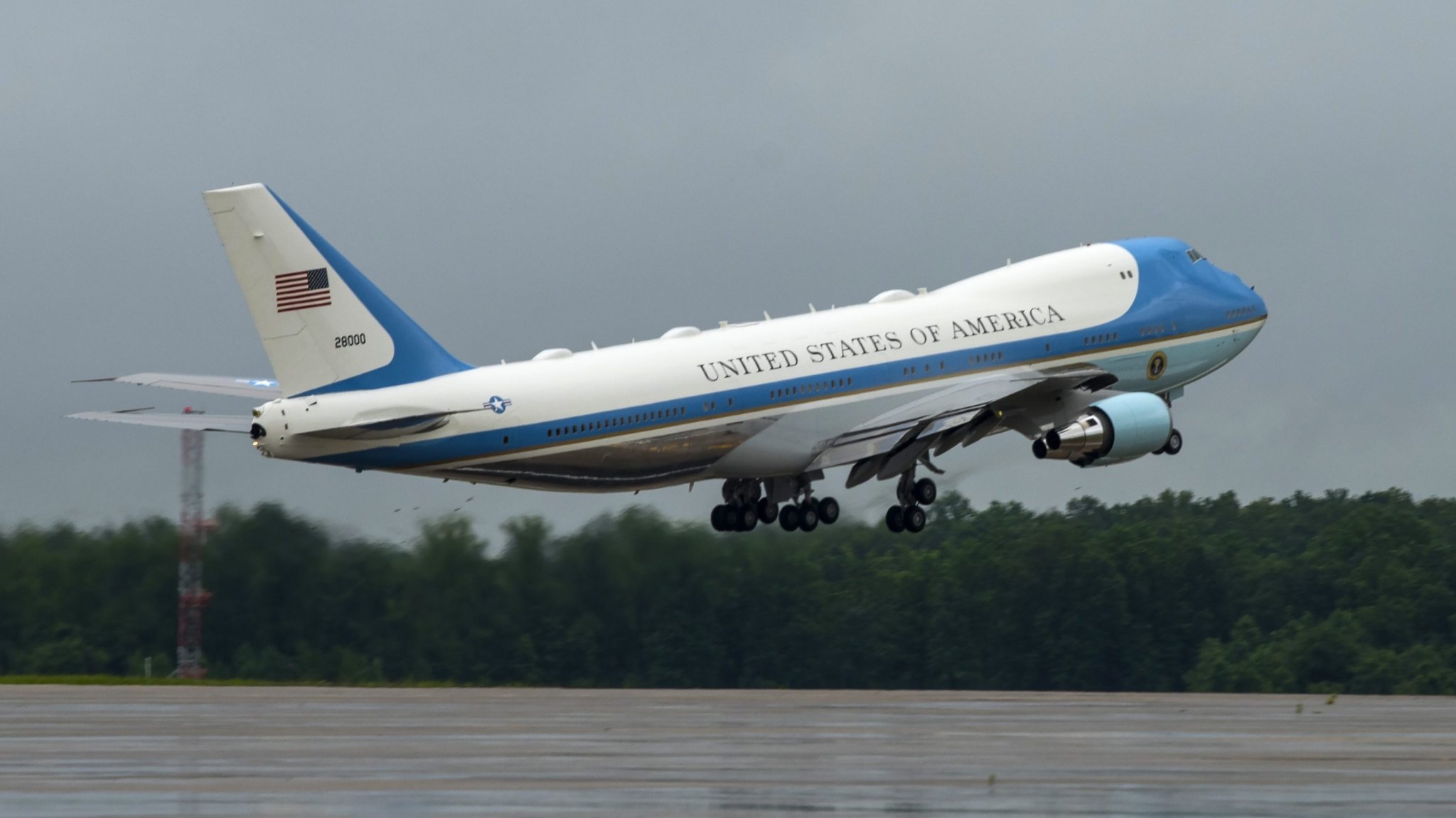
It’s not the first time Joint Base Andrews, which is the home for VIP aircraft like Air Force One and sits just southeast of D.C., has been accused of polluting the surrounding area.
The lawmakers noted that synthetic PFAS chemicals used in firefighting foam and industrial processes previously leaked from Joint Base Andrews into Piscataway Creek, which leads to the Chesapeake Bay, “and this fuel spill adds to existing environmental stressors affecting the watershed.”
The Air Force’s spill comes after a 2021 fuel leak at the Navy’s Red Hill depot in Oahu poisoned drinking water for thousands of families, led to rashes and illnesses, and forced many from their homes. An internal investigation later said that the Navy’s handling of the crisis, including clean-up and keeping the public informed, fell “unacceptably short of Navy standards.”
Top Stories This Week
In Maryland, the Air Force has since shut down the leaking portion of Joint Base Andrews’ fueling system while a contractor, Clean Harbors, scrubs the site and identifies the reason for the failure, according to the Maryland Department of the Environment.
On Wednesday, a day after the Maryland lawmakers sent their letter, Joint Base Andrews said all appropriate federal and state agencies have now been notified about the leak. The base also put a video out showing airmen testing Piscataway Creek with pH strips.
The base said airmen had placed floating barriers known as harbor booms in the creek, as well as installed underflow dams that allow clean water to flow underneath while stopping fuels that float on top of the stream.
Maryland officials said there’s no threat to drinking water as intake pipes are upstream from where the fuel leaked into Piscataway Creek. Inspectors are still collecting soil and water quality samples to assess the full scope of the impact to local waterways.
However, the state’s environmental agency is advising the public to avoid wading into the waters of Piscataway Creek near the spill sites. Exposure to jet fuel can irritate the skin, eyes and respiratory tract. Marylanders are also advised to keep pets away from the area.
“While Maryland values its deep ties to federal defense installations across the state, contaminating Maryland’s land and water is unacceptable,” Maryland Secretary of the Environment Serena Mcilwain said in a statement. “The state and the local community deserve answers and a robust response.”
Loading comments…
Comments couldn’t be loaded. Please refresh the page.