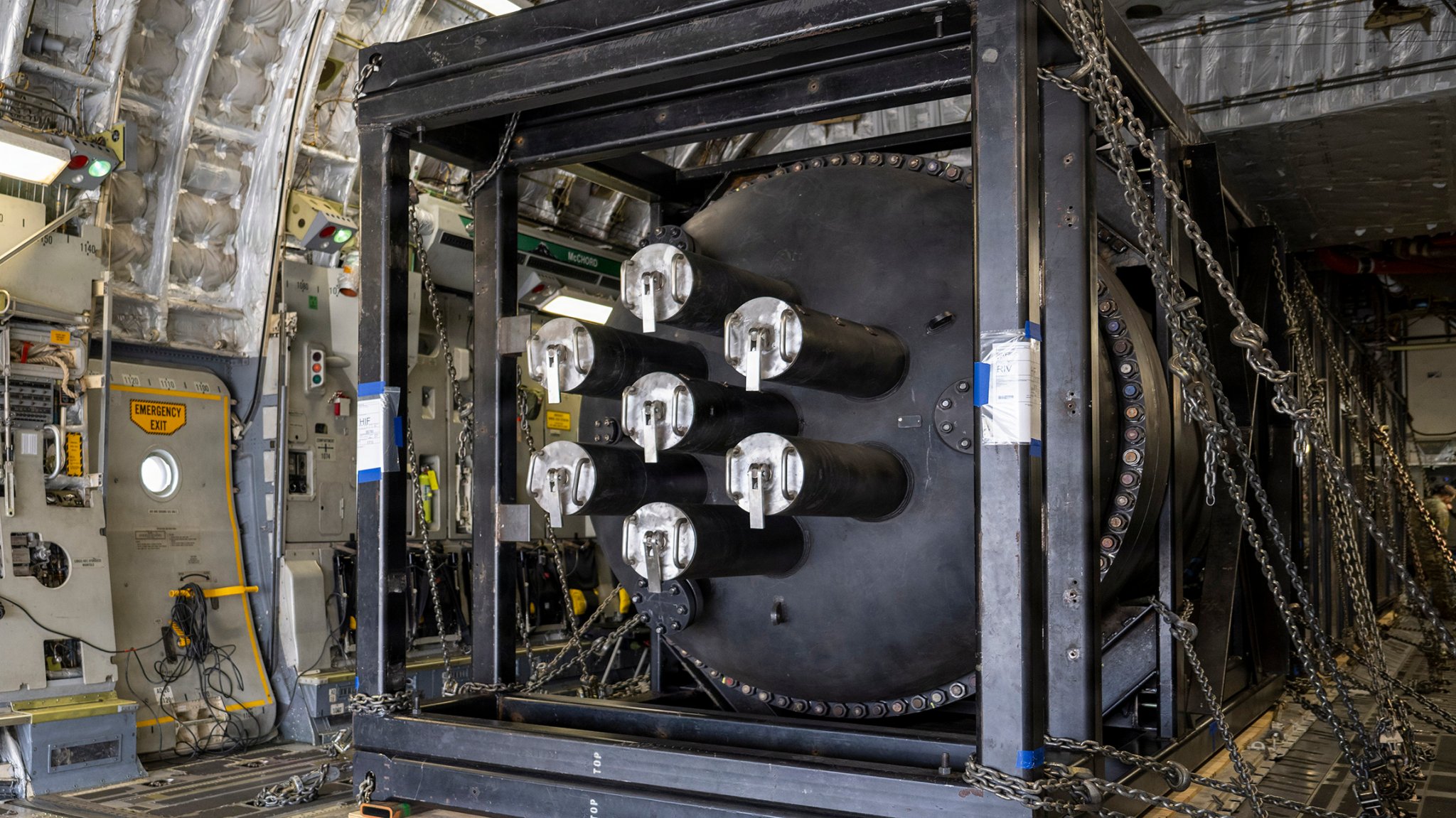
The Department of the Air Force has selected Buckley Space Force Base, Colorado, and Malmstrom Air Force Base, Montana, as potential sites to host small nuclear reactors on base known as “microreactors,” Air Force officials have announced.
The final decision on whether the bases will receive nuclear reactors will depend on the successful completion of the environmental and licensing processes, said Laurel Falls, an Air Force spokesperson.
The term “microreactors” refers to a class of very small nuclear reactors being developed that are compact enough that they can be transported by truck, railway, or aircraft, according to the Energy Department. Such reactors can produce up to 50 megawatts of energy, but typically generate less than 20 megawatts. They are also designed to operate for up to 10 years, and perhaps longer.
Top Stories This Week
The Department of the Air Force and Defense Department selected Buckley and Malmstrom as “preferred locations” for on-base microreactors as part of the Advanced Nuclear Power for Installations program, an Air Force news release says. The program is part of a Pentagon effort first announced in June 2024 to design and build small on-site nuclear reactors at certain military bases.
The two bases were selected to potentially host microreactors “due to their utility infrastructure, land availability and critical mission requirements,” the Air Force news release says. Buckley is the headquarters of Space Delta 4, which provides missile warning to the United States and its partners. Malmstrom is the base where the 341st Missile Wing is headquartered. The wing maintains alert of Minuteman III intercontinental ballistic missiles in underground launch facilities.
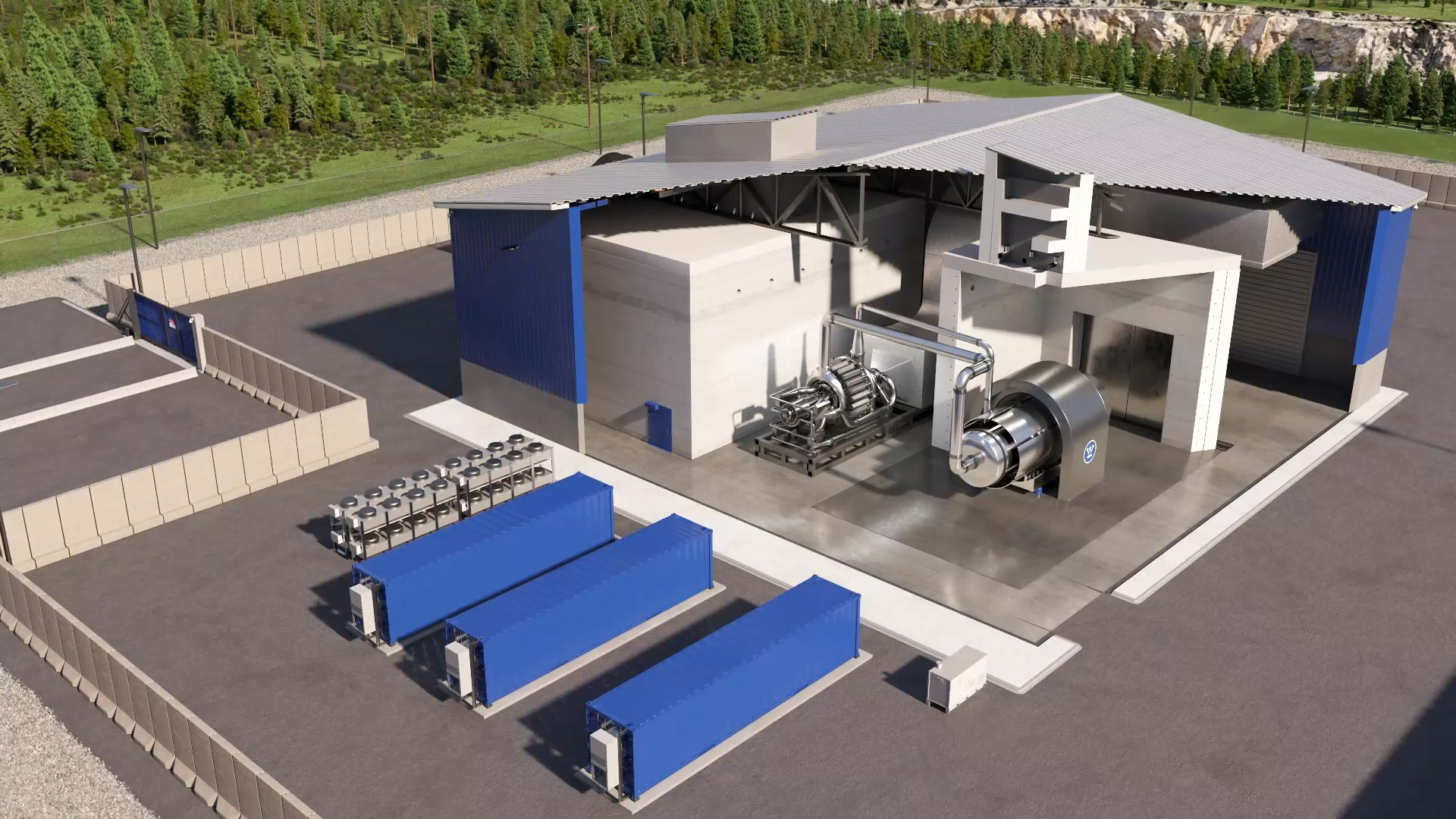
Malmstrom and Buckley could get the microreactors by 2030, according to the Air Force news release. The effort is separate from the microreactor pilot program at Eielson Air Force Base, Alaska, which is focused on showing the potential benefits of having such a reactor on a single base.
The military has been looking at ways to use small nuclear reactors to power bases in recent years. President Donald Trump signed an executive order in May directing the defense secretary to have an Army-regulated nuclear reactor operating on a domestic base by Sept. 30, 2028.
In his executive order, Trump wrote that the computer infrastructure for artificial intelligence and other resources at military bases requires “reliable, high-density power sources that cannot be disrupted by external threats or grid failures.”
“These facilities and resources’ vulnerability to energy disruption represents a strategic risk that must be addressed,” Trump wrote.
The Army announced in October that it plans to install small nuclear reactors at nine of its bases as part of a service-wide effort dubbed Project Janus, named for the two-faced ancient Roman god of beginnings, transitions, and endings. Coincidentally, Janus is also the alias of the villain in “GoldenEye,” a 1995 James Bond film about nuclear-armed Soviet satellites designed to cause a massive electromagnetic pulse that destroys electric circuitry.
In February, an Air Force C-17 transported a microreactor without its fuel from March Air Reserve Base, California, to Hill Air Force Base, Utah. The reactor was then sent to Utah San Rafael Energy Lab to be tested and evaluated.