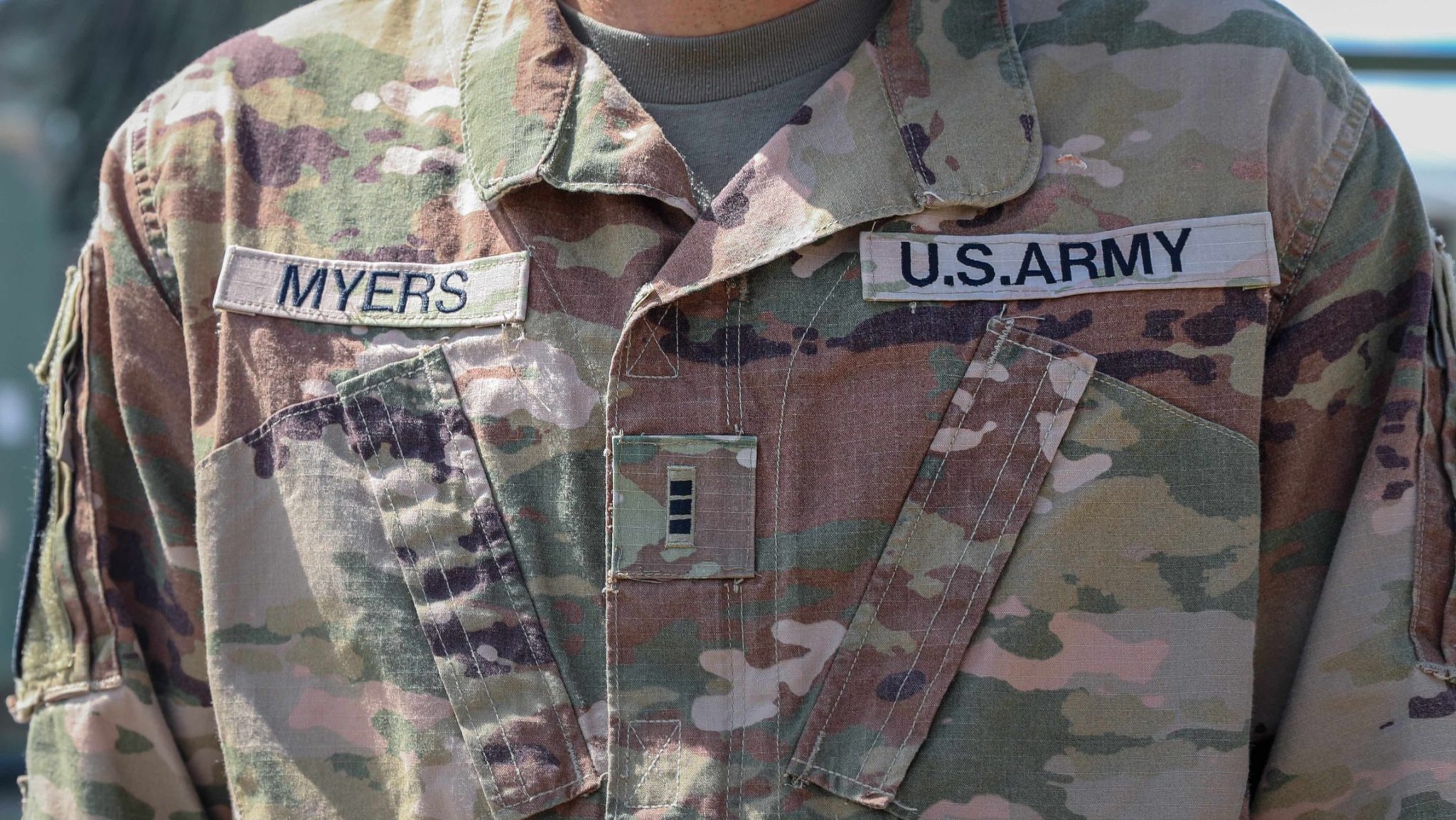
The Army will soon start paying a monthly bonus to 100 senior soldiers aimed at keeping their technical experts in the force.
The Warrant Officer Retention Bonus, or WORB is a financial incentive targeting more than a dozen military occupational specialties — many of which are cyber and intelligence focused — for chief warrant officers with 17 to 21 years of active service.
Soldiers who take the bonus will receive monthly payouts of around $1,550 and incur an additional duty obligation between three to six years, depending on time in service, Lt. Col. Angela Chipman, the chief of Army retention told Task & Purpose in an interview on Tuesday.
The WORB is part of a broader Army retention revamp announced last week as the service embarks on a force-wide restructuring known as the Army Transformation Initiative. Officials have said the effort is aimed at keeping up with the rapidly changing nature of warfare.
Retaining warrant officers — long-known for their highly specific technical roles — is a small, but key part of that change.
“Our desired end state is to retain our absolute best and brightest, top-tier talent across the formation,” Chipman said. “And we have to be creative in terms of how we engage, because it’s such a diverse population that spans three different generations in many cases.”
Notably, keeping warrant officers in the Army isn’t a problem for the service, Chipman said, noting that more than 92% of the warrant officer corps will stay in the service until retirement.
Top Stories This Week
The challenge, one that this bonus program intends to help address, is when they retire. Warrant officers typically come from enlisted or officer backgrounds, meaning that they already have several years of service — about eight on average, according to Chipman — before they pin on the warrant officer rank and start building those highly specific skills.
That means many warrant officers reach retirement eligibility for 20 total years of service before they reach more senior, supervisory roles at the chief warrant officer three or four rank.
“So we want to figure out how to retain those CW3s and [CW4s] for a little bit longer,” she said. “How can we get them past that 20 years to 23 or 25 years of active federal service, so that we have them at CW4 and grow them or matriculate them into [CW5s]?”
The Army rolled out an initial version of this warrant officer bonus program in August, but has since reduced the 8-year service obligation that came with it.
Now, under the program released last week, warrant officers with 17 to 19 years of active federal service would incur an additional obligation of six years under the bonus rules, while those with 20 to 21 years would tack on a minimum of three extra years. Both are paid at the same $1,550 monthly rate.
The bonus program was capped at 100 warrant officers out of 254 who are eligible. Chipman said that 67 have already signed up for the bonus and expects the program to max out by the end of the week.