The F-35 Lightning II Joint Strike Fighter started its life as one of the more controversial programs in Pentagon history. Two decades of delays, blown budgets, software problems, and political fights made it look like the fifth-generation fighter might be remembered more for what it cost than what it could do.
Now, it has become a major part of NATO’s airpower.
Fourteen of the 32 NATO allies — the U.S., the United Kingdom, Italy, Norway, the Netherlands, Denmark, Belgium, Poland, Germany, Finland, Canada, the Czech Republic, Romania, and Greece — are either flying the jet now or plan to. The United Kingdom also recently announced it would purchase the F-35A to serve as a nuclear deterrent. And of the 18 NATO countries that do not fly the F-35, nine don’t operate any fighter aircraft at all.
At its core, the F-35 offers three things most legacy NATO jets can’t — enhanced survivability, integration, and standardization.
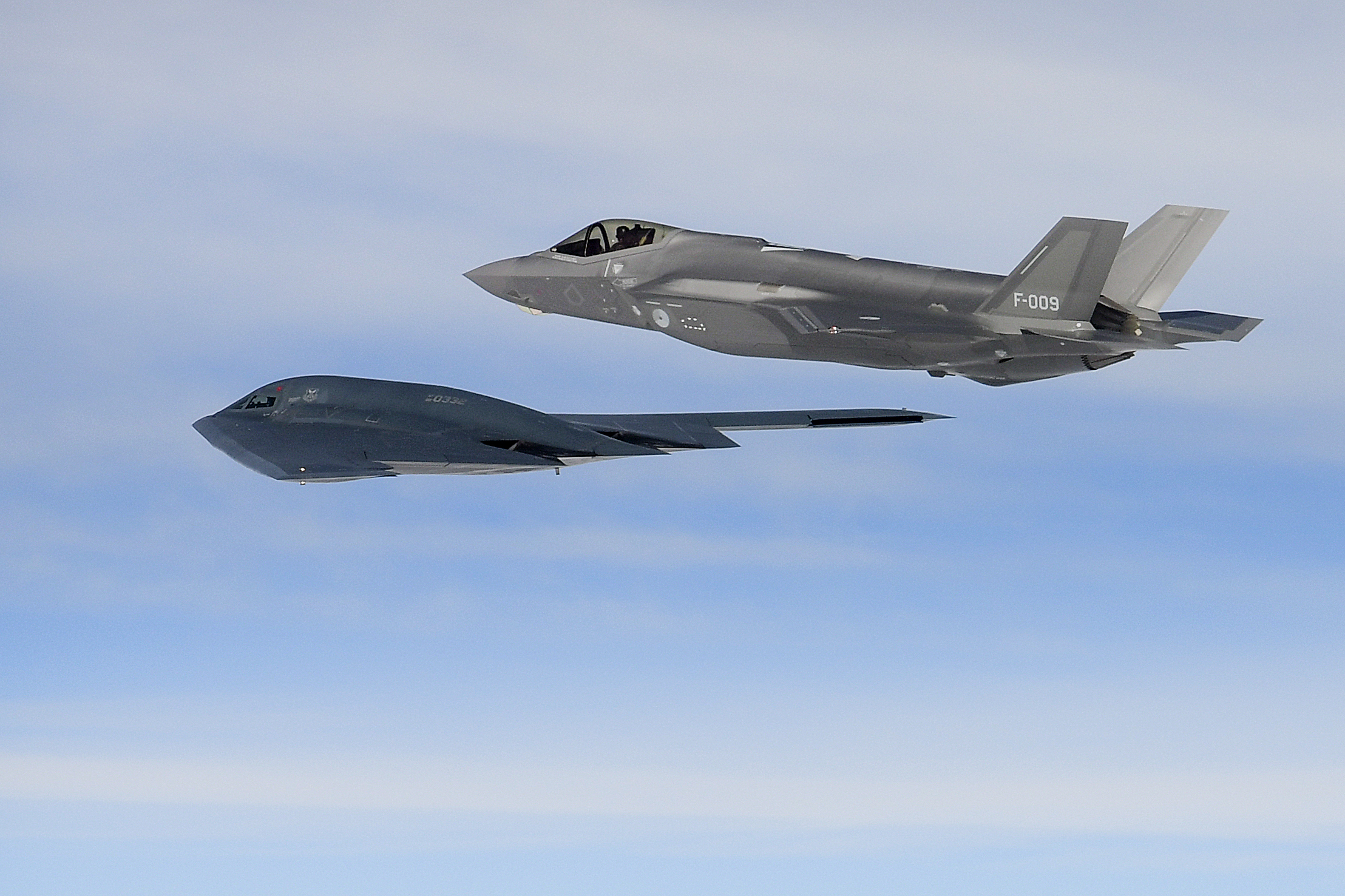
Against a modern air defense network like those used by China or Russia, fourth-generation fighters like the F-16 or Eurofighter can’t get close to a target without being detected. Even the best jammers or towed decoys don’t change the fact that older jets were designed before stealth was considered essential.
The F-35, while not invincible, is stealthy enough to survive in contested environments and smart enough to do more than shoot missiles. Flying more as a sensor platform, it pulls in radar, targeting, threat and electronic warfare data that can then be passed to other aircraft or ground units. This makes it valuable as not just a fighter, but as a node in the broader command-and-control network that NATO allies will rely on in a joint fight.
Top Stories This Week
Standardization also matters. NATO air forces are used to flying together, but that coordination gets complicated when everyone is flying different aircraft with different capabilities, data links, munitions, and maintenance needs. The F-35 streamlines all of that. Pilots train on the same simulators. Maintenance crews can work off the same playbook with parts, procedures, and diagnostics. Spare parts, software updates, and weapons integration become easier and cheaper.
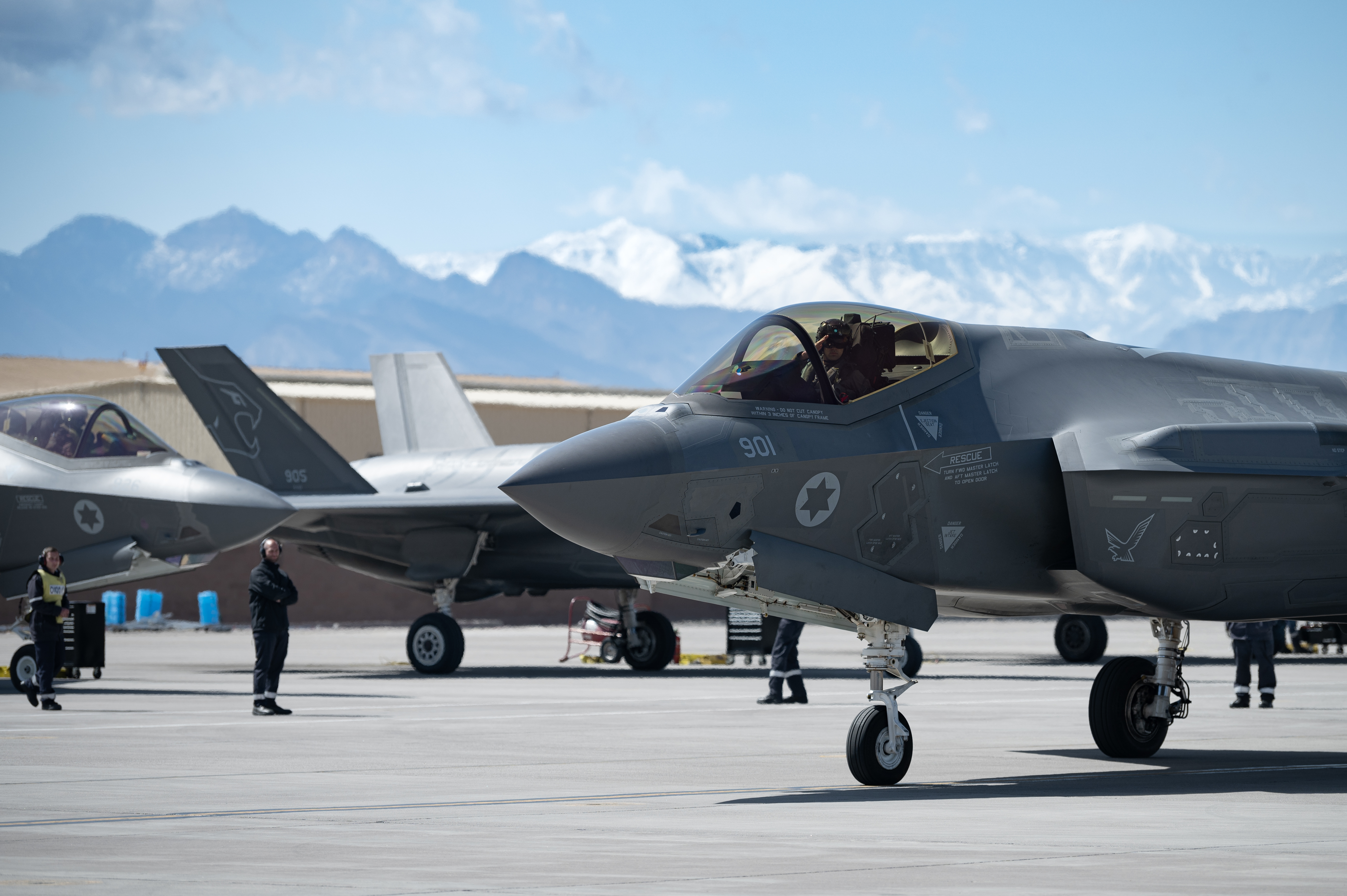
The F-35 is also no longer a theoretical platform with questions surrounding its effectiveness in combat. Israel has flown its custom F-35I “Adir” in multiple combat operations, including strikes against Iran’s air defenses and suspected nuclear facilities in Operation Rising Lion. The United States has also used the F-35 over Iraq, Syria, Afghanistan, and in operations against the Houthis.
Still, there are concerns. With so many countries betting on a single platform, those same benefits can become weaknesses. If a major software bug or hardware issue grounds part of the F-35 fleet, as we have seen before, multiple times, it could affect operations across multiple countries, with few viable replacements.
There’s also the matter of cost and complexity. The F-35 is expensive to operate, between $26,400 and $39,000 per flight hour according to a GAO report, and requires specialized infrastructure and contractor support. For smaller countries, that creates dependency.
NATO has tried to mitigate these bottlenecks with regional sustainment hubs. Italy assembles the jets at Cameri, and the Netherlands handles major maintenance, while other partners manufacture parts and other necessities. But it’s a long way from the kind of modular, self-reliant logistics that legacy jets allowed.
Regardless, the F-35 is no longer just an American fighter; it is, for better or worse, becoming NATO’s as well. The attempt by European aerospace builders to create a next-generation fighter drags on. We get into it in the latest video on YouTube, diving deeper into the reasons why this works, and why it may not in the future. Go ahead and watch that here, and please like and subscribe while you’re there so you don’t miss the next one.