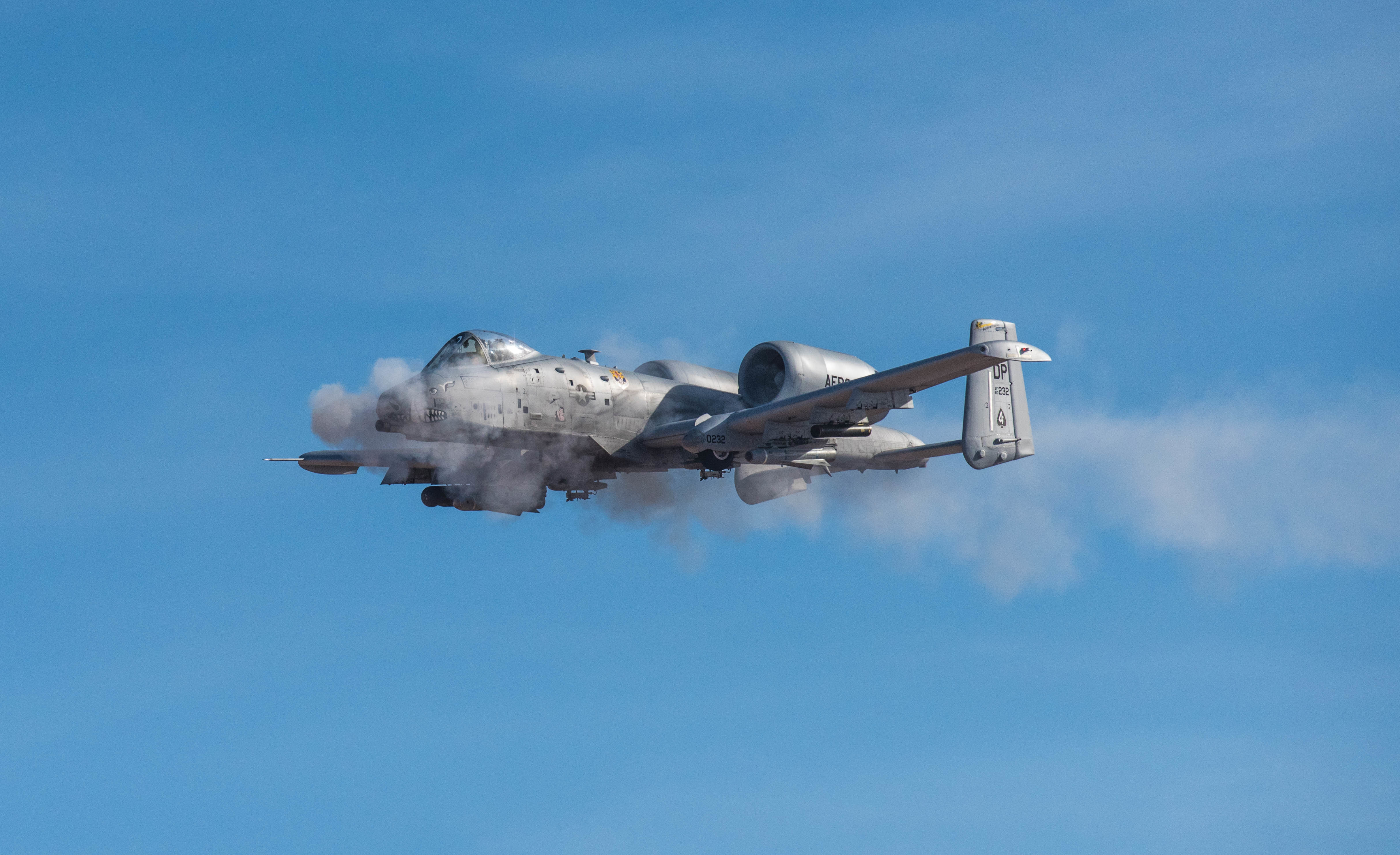
The Air Force is winding down its use of the A-10, but that doesn’t mean it’s going quietly. Or without some tributes from the people maintaining the planes.
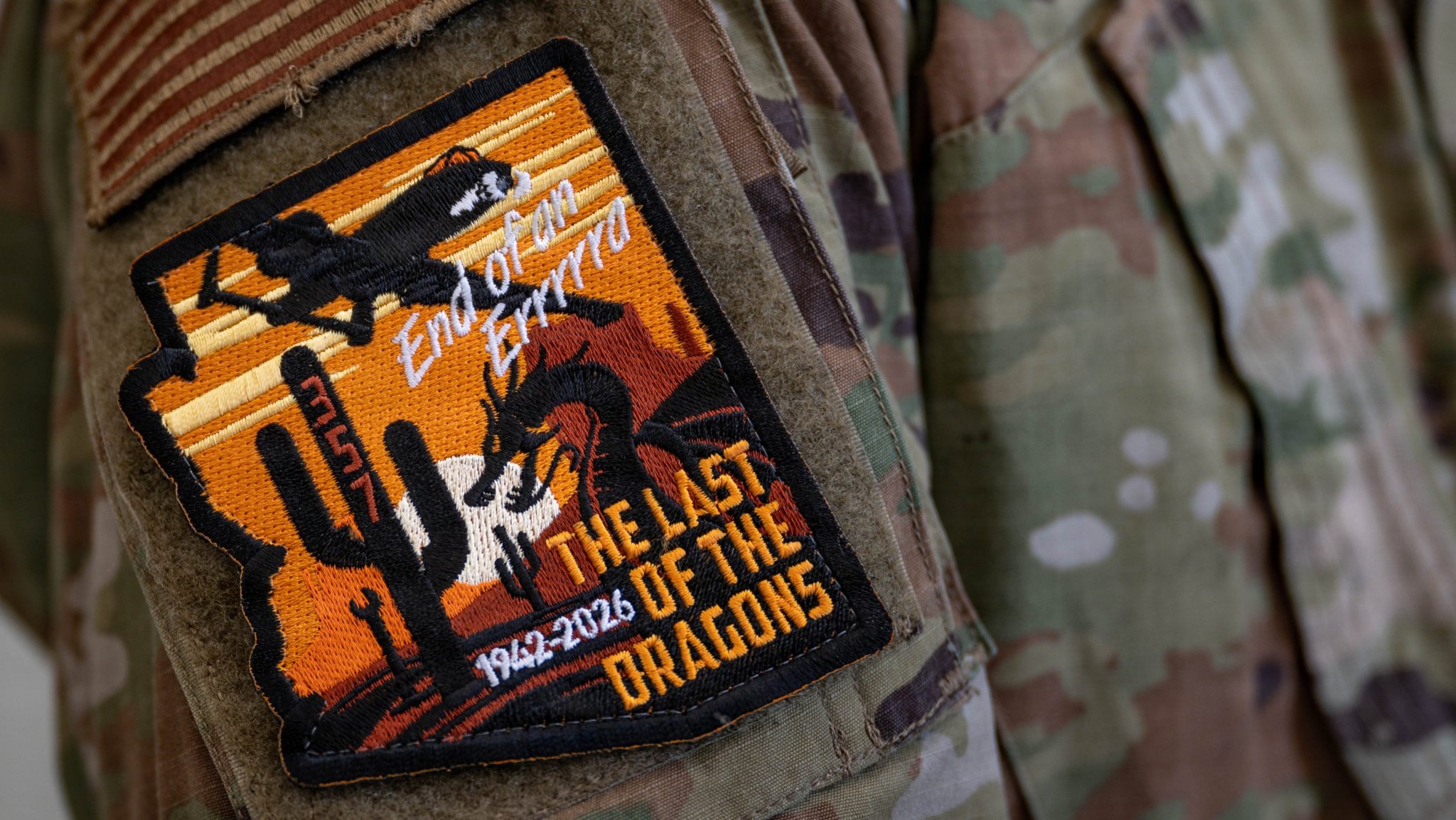
The A-10 Thunderbolt II, better known as the “Warthog,” has been a mainstay of the Air Force for decades and was a regular sight during the wars in Afghanistan. But its age is showing and the military is trying to phase it out. But at Davis-Monthan Air Force Base in Arizona, the dedicated crew chiefs working on maintaining the close-air support aircraft are paying tribute in their own way. They were recently spotted sporting a striking patch honoring both the history of the 357th Fighter Squadron and the A-10 that goes “brrrrt.”
The photo, taken on Halloween but only posted to the military’s Defense Visual Information Distribution Service on Friday, Dec. 12, comes from a collection taken about newly appointed dedicated crew chiefs at 357th Fighter Generation Squadron. They’re the ones who maintain the A-10s the squadron flies, and the ceremony welcoming them was the last one held at the base.

The patch itself is sublime, cramming in several elements while maintaining a clear, crisp aesthetic. There’s the A-10 itself, flying low over a desert straight out of the Road Runner and Wile E. Coyote cartoons, with “357” marked over a cactus. And then a dragon, somehow not out of place, balances out the patch, with “The last of the dragons” next to it. The squadron has long been known as the Dragons. A “1942-2026” note relays the history of the unit, formed during World War II, long before the A-10 entered service.
The Air Force is working to phase out the close-air support craft, hoping newer planes like the F-35 can fill the role. The A-10 is seemingly on its way out, but that doesn’t mean it isn’t going out fighting. Even as the Air Force started winding down the aircraft, it sent several to the Middle East, in support of ongoing operations against the Islamic State and campaigns against Houthi militants in Yemen. This weekend, after two American soldiers were killed in Palmyra, Syria alongside a civilian translator, local media reported A-10s flying over the city dropping flares in support of ground operations to sweep the area.
As it currently stands, the Air Force is trying to retire the A-10 this fiscal year. However, this year’s National Defense Authorization Act, currently making its way through Congress, requires that the Air Force keep 103 A-10s through the end of the coming fiscal year. As of press time, the NDAA has passed in the House of Representatives and is waiting on a vote in the Senate, so the A-10 might still go “brrrrt” a little longer.