

We know the military has a briefing for just about everything. Unfortunately, being told that help exists is not the same as knowing which program will get you the credits, credentials, and training you need for the career you actually want. A website full of links can leave a service member with the same question they had before clicking: Where the hell do I start?
It’s that question that led Navy Lt. Cmdr. Jai Salters to eventually create ACT Now Education, a 501(c)(3) nonprofit serving active-duty personnel, veterans, reservists, National Guard members, spouses and dependents. The free website offers resource guides, a weekly webinar and access to mentorship through MilMentor at no cost. Its program listings include Coursera learning opportunities, which give people somewhere to begin beyond typing “veteran jobs” into a search bar and hoping for the best.
“ACT Now Education did not start with me saying, ‘I want to create a nonprofit,’” said Salters, a former enlisted cryptologic who earned his undergraduate degree while in uniform and later took a commission as a cryptologic warfare officer. “It started with me trying to solve my own problem.”
About 10 years into his Navy career, he had experience but had not completed the education and certifications he thought he would need outside the service. A mentor introduced him to resources, including CLEP and DSST exams, that could help him move forward. He started asking other sailors whether they knew about those opportunities. None did.
It was a frustrating discovery, realizing that service members could spend years doing the job, meeting the requirements, and always assuming somebody would tell them about the useful stuff, only to learn that the information was available all along. It just never reached the people who needed it.
Salters started researching and sharing what he found. Eventually, he put together an education presentation. The first attempt was rough, but a senior leader told him the information mattered too much for him to stop.
He kept presenting.
According to Salters, those briefs eventually reached more than 14,000 people in person before social media became a major distribution channel. His effort became a formal nonprofit in 2021.
“I sometimes describe ACT Now as a resource for the resources,” he said.
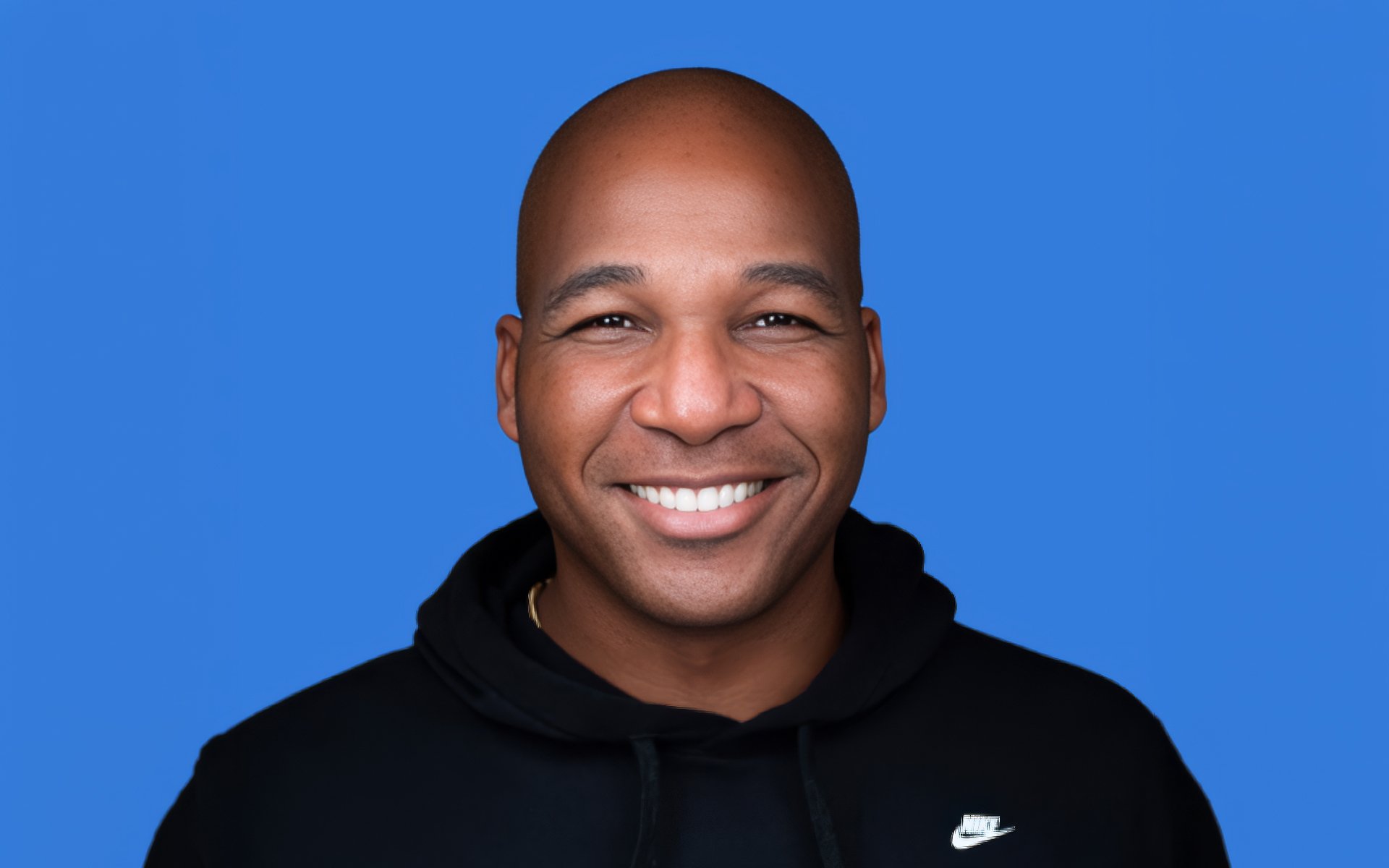
That description gets at the value of the organization. Salters is not arguing that every existing program needs to be replaced. If somebody already provides good mentorship, training or employment support, he would rather connect people to it than build another version with a different logo.
“The military community does not need organizations fighting over credit. It needs organizations solving problems,” he said.
Salters described people discovering a useful program six months too late, earning credentials without checking whether employers really valued them, or finding Skill Bridge after their timeline is already tight. None of those problems get solved by showing service members another giant list of links.
His advice for those looking to maximize their benefits is to show up with a question: What are you trying to accomplish in the next 12 to 24 months? A degree? A different career? A certification? A fellowship for a military spouse? The answer should determine which resources you pursue.
That is sound advice for anybody who has ever confused being busy with making progress. A resume can have plenty of acronyms on it and still fail to explain why somebody should hire you. Training needs to connect to experience, and that experience needs to connect to the work you want to do.
“Your transition does not start with your DD214,” Salters said.

This article is the fourth in an ongoing education column under the Field Guide vertical on Task & Purpose. If you’d like to share your experiences for a future column, email Task & Purpose’s editor-in-chief, James Clark, at James@taskandpurpose.com, with the subject line Field Guide: Education interview.
Loading comments…
Comments couldn’t be loaded. Please refresh the page.