
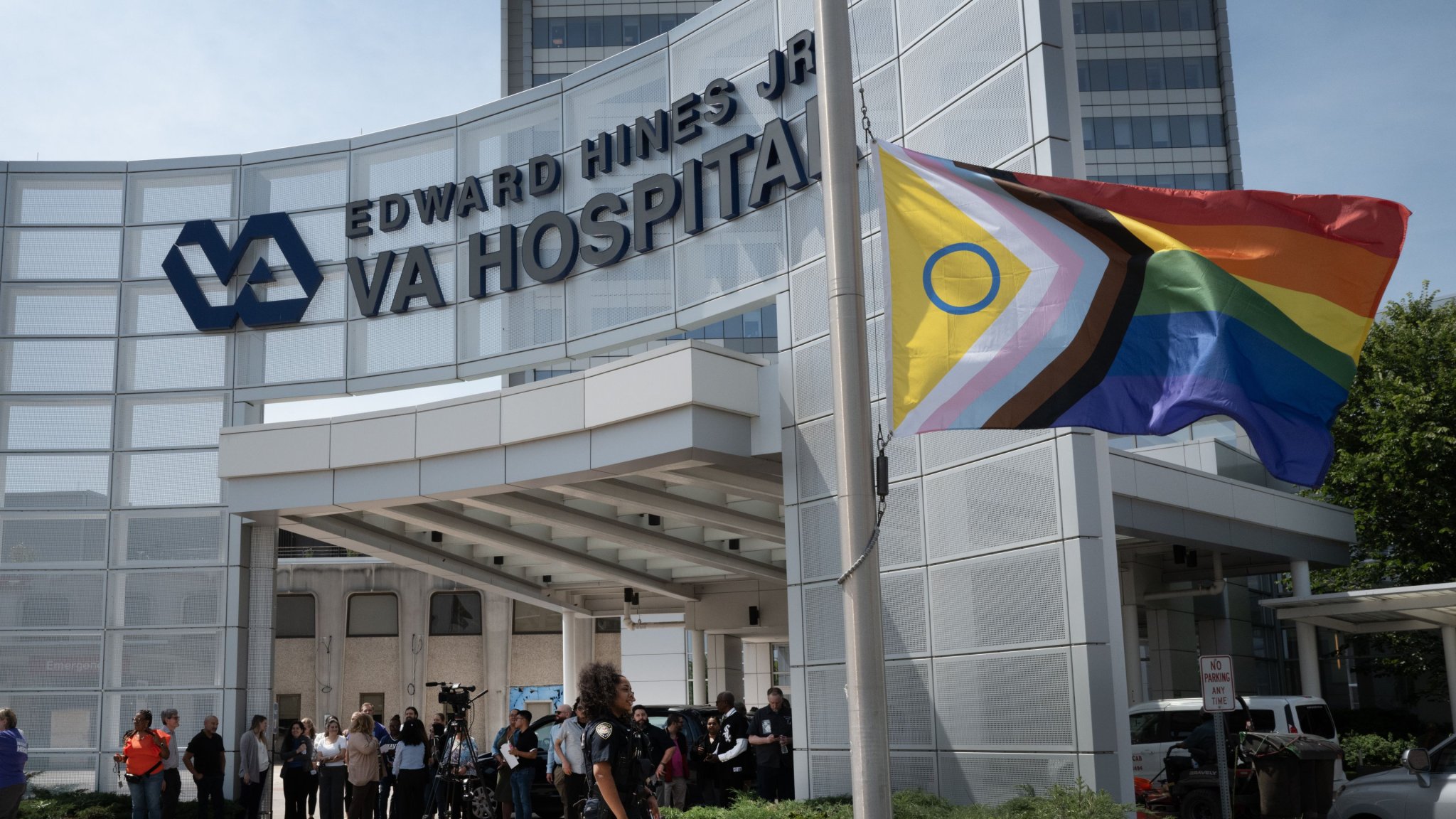
The Department of Veterans Affairs is directing all healthcare facilities to end gender identity-based programs and activities, as well as reclassifying medical care coordinators who help LGBTQ+ veterans as just “care coordinators.”
The changes come from a June 12 memo signed by Under Secretary for Health for the Veterans Health Administration John Bartrum, directing department leaders to end “gender-identity based and gender-ideology based initiatives, and any activities, internal or external, that promote gender identity or gender ideology” at the Veterans Health Administration.
“VHA funds, official time, facilities, or resources may not be used for meetings, training, working groups, promotional materials, events, or any activities promoting gender-ideology or gender-identity,” the directive says.
According to the directive, VA sites have 14 days, or until June 26, to comply with the changes. The Advocate first reported on the memo.
Additionally, the VA directed leadership to reclassify the VA’s LGBTQ+ Veteran Care Coordinators as just “care coordinators.” At least one LGBTQ+ care coordinator worked in each VA healthcare system.
Top Stories This Week
The VA’s changes follow executive orders early last year from the Trump administration targeting diversity, equity and inclusion efforts in the government and directing the federal government to recognize only two sexes. Uniform standards and attire policies are also directed to comply with those executive orders. The VA’s actions follow moves from the Department of Defense, including directives for transgender troops to separate from the military.
“VA must ensure all veterans are treated based on their clinical needs and without discrimination,” Bartrum wrote in the memo. “This guidance ensures VHS will do just that.”
However, the union that represents large numbers of VA workers and advocates worry this will negatively impact the care and treatment LGBTQ+ veterans receive. According to the VA’s patient care page for LGBTQ+ veterans, as of June 21, the VA focuses on specific care for them because research “shows that LGBTQ+ Veterans expect to experience discrimination in VHA facilities which may prevent engagement in care. Research also shows that due to stigma, stress, and discrimination, LGBTQ+ Veterans as a group experience higher rates of several health conditions compared to non-LGBTQ+ Veterans, including higher risk for suicide.”
A VA spokesperson said that questions about specific changes due to this policy shift are best answered by the memo.
Lucas Schleusener, CEO of Out in National Security , a nonprofit focused on LGBTQ+ national security professionals including veterans, said the concern is how the policy will be put into effect, as the “practical implications remain unclear.”
“The practical question is whether veterans can still find the same resources through the same pathways with the same degree of clarity and confidence,” Schleusener told Task & Purpose.
The American Federation of Government Employees, the largest union for federal employees including at the VA, criticized the change, saying it suppresses the rights of veterans and VA employees. Tiffany McPherson, AGFE’s PRIDE chair, said some veterans will not get treatment and that the consequences of this change are “real and the agency knows it.”
Loading comments…
Comments couldn’t be loaded. Please refresh the page.