

Congress is considering a proposal that would grant full retirement and disability benefits to combat veterans, while slashing future disability checks for veterans with tinnitus and sleep apnea.
The Take Care of America’s Veterans Act is a package with dozens of legislative proposals for veterans, caregivers, and survivors. Among the bundled bills is the Major Richard Star Act, which allows veterans with fewer than 20 years of service to collect both disability compensation and retirement pay at the same time. Over the last year, the Richard Star Act has been sidelined over debates of how it would be funded and whether the Department of Veterans Affairs can afford the estimated $10 billion in costs. To pay for it, Congress is considering an “offset” by cutting into future disability ratings for sleep apnea and tinnitus.
The legislative package would implement a previously proposed 2022 rule change for how the VA assesses sleep apnea and tinnitus disability ratings. It would replace the standalone 30% disability rating for sleep apnea and instead base it “on the effectiveness of medical treatment and intervention” and use a new scale of 0 to 100%. Tinnitus, which is currently rated as 10%, would be treated as a symptom of an underlying condition like hearing loss or a traumatic brain injury.
The proposal drew quick criticism from veteran service organization officials who warned that it would grant disability benefits to one group of veterans while taking away from another.
Officials with the Veterans of Foreign Wars, or VFW, said in a statement last week that they “[refuse] to accept the idea that one group of veterans must lose so another group of veterans can win.”
Top Stories This Week
Sen. Jerry Moran (R-Kan.) said during a June 9 speech on the Senate floor that the Major Richard Star Act has been “unable to pass either House or the Senate, in significant part due to the inability to offset the cost of the legislation.” Only by addressing that issue can the bill become signed into law, said Moran, who is the chairman of the Senate Committee on Veterans Affairs.
But Sen. Richard Blumenthal (D-Conn.) argued in a recent statement that combat veterans should get their full benefits without “depriving” other veterans. He said that the offset is “unnecessary” and “resources to pay for these wounds of war could come from the Department of Defense, not other disabled veterans.”
VA Press secretary Quinn Slaven said the VA learned of the proposal last week and “continues its discussions with Congress on the costs and impact of the bill’s various provisions.”
In regards to the VA’s 2022 proposed rule, Slaven said, “No changes are planned or imminent,” and that after receiving significant public comment, “it would need to undergo significant changes prior to being finalized.”
But some veterans organizations have expressed concern about how the legislation could affect future sleep apnea and tinnitus claims. VA analysis for the 2022 rule found that those changes could reduce disability compensation payments by $57 billion over the next 10 years.
“We see this proposed cut as another way to try to get after something that some people think is rated too high,” said Ryan Gallucci, executive director of the VFW. “Anybody who’s on active duty now, anybody who was injured in Kuwait from Iranian drones, anyone working on a flight line or on an aircraft carrier right now would be subject to it when they get out of the military.”
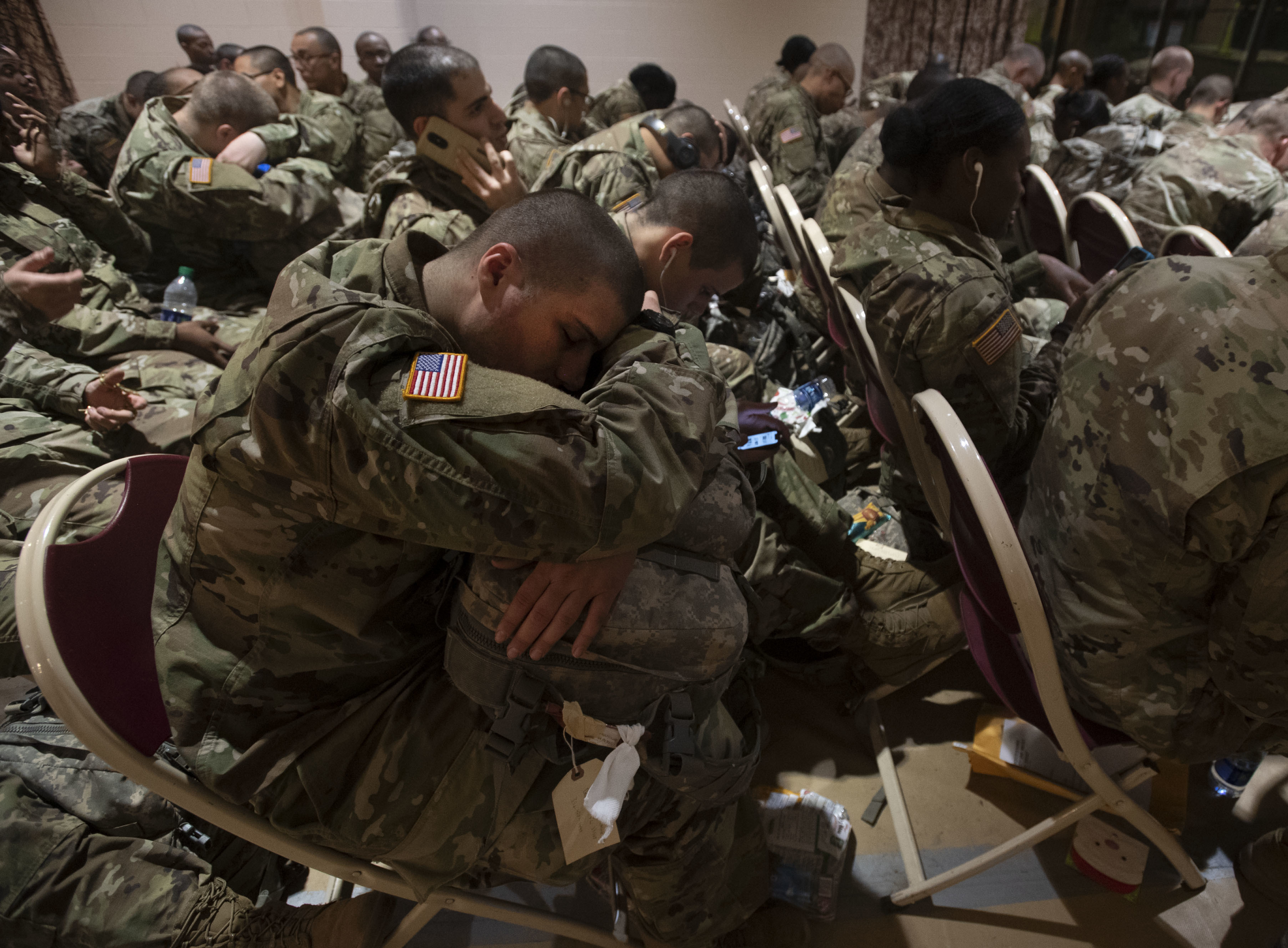
One reason why veterans frequently file disability claims for tinnitus is that troops inherently operate in loud environments, Gallucci told Task & Purpose. He also said that sleep apnea and tinnitus are comorbid conditions — meaning they often occur alongside — other combat injuries like mild TBI, post-traumatic stress disorder or limb loss.
Disabled American Veterans National Commander Coleman Nee said that the proposal means that veterans with service-connected tinnitus would not receive disability compensation and that veterans who use a medical device while sleeping to treat their sleep apnea would see reduced disability checks. Coleman said the bill could lead to VA benefit cuts for up to 1.5 million veterans.
“These changes would apply to all new claims as well as any reassessments or reevaluations of existing claims. Eliminating compensation for sleep apnea and tinnitus is not a reflection of improved outcomes for veterans — it is a budget-driven decision that shifts the burden onto those who have already sacrificed in service to our nation,” Coleman said.
In a statement, the head of Iraq and Afghanistan Veterans of America warned that the legislative proposal could set a precedent.
“Today it’s tinnitus and sleep apnea. Tomorrow it could be PTSD, migraines, toxic exposure conditions, or any other disability that becomes a tempting budget target,” Kyleanne Hunter, the CEO of IAVA, said in a press release. “Congress should not set the precedent that earned disability compensation can be reduced whenever lawmakers need an offset.”
The Take Care of America’s Veterans Act was introduced into both the House and Senate last week. House Veterans Affairs Committee Chairman Rep. Mike Bost (R-Ill.) is working to bring the bill to a floor vote soon, said Kathleen McCarthy, a spokesperson for the committee. As of Tuesday, a vote on the bill before the full Senate has not yet been scheduled.
UPDATE: 6/17/2026; This article has been updated with a statement from the VA about the recent Congressional policy and the agency’s 2022 proposed rule change for sleep apnea and tinnitus disability ratings.
Loading comments…
Comments couldn’t be loaded. Please refresh the page.