
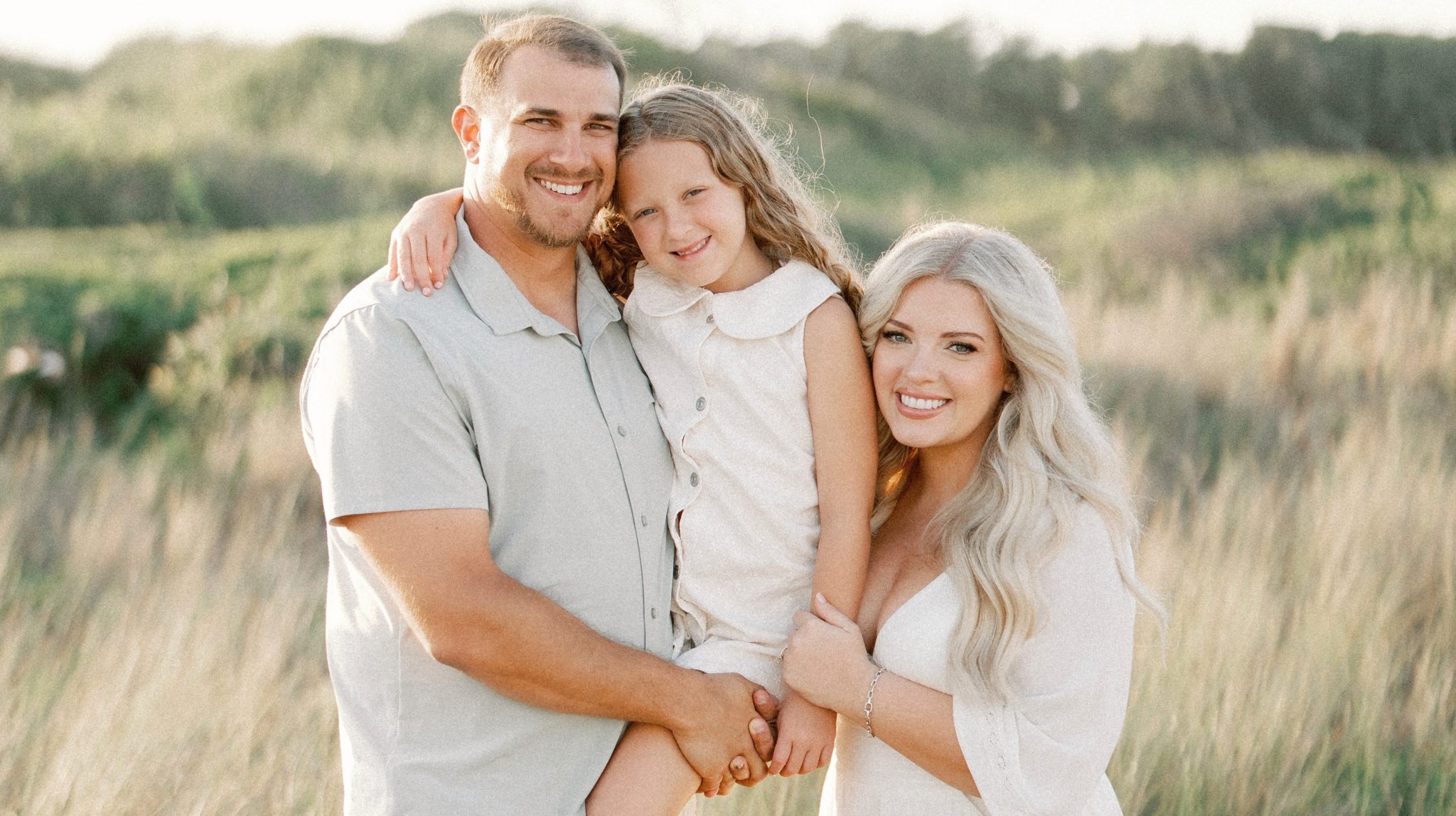
In 2019, Army Spc. Lauren Palladini was rushed to a hospital for a cesarean section delivery of her daughter, Everly. During the procedure at Womack Army Medical Center at Fort Bragg, North Carolina, the medical resident lacerated her right uterine artery. It was a life-threatening error that would eventually cost her any chance of having more children. It would also launch a six-year, uphill battle for accountability.
In the weeks that followed, Palladini hemorrhaged seven times. She underwent two dilation and curettage, or D&C, procedures, a Bakri balloon placement, two uterine artery embolizations, and multiple blood and plasma transfusions. Ultimately, she underwent a hysterectomy, leaving her, at 22, unable to have more children.
“What followed was a seven-year fight for answers and six years navigating the military medical malpractice claims process,” Palladini said. As the years went by, she came to see the Army’s medical care as “a system that felt designed to protect itself rather than provide transparency or accountability to those it serves.”
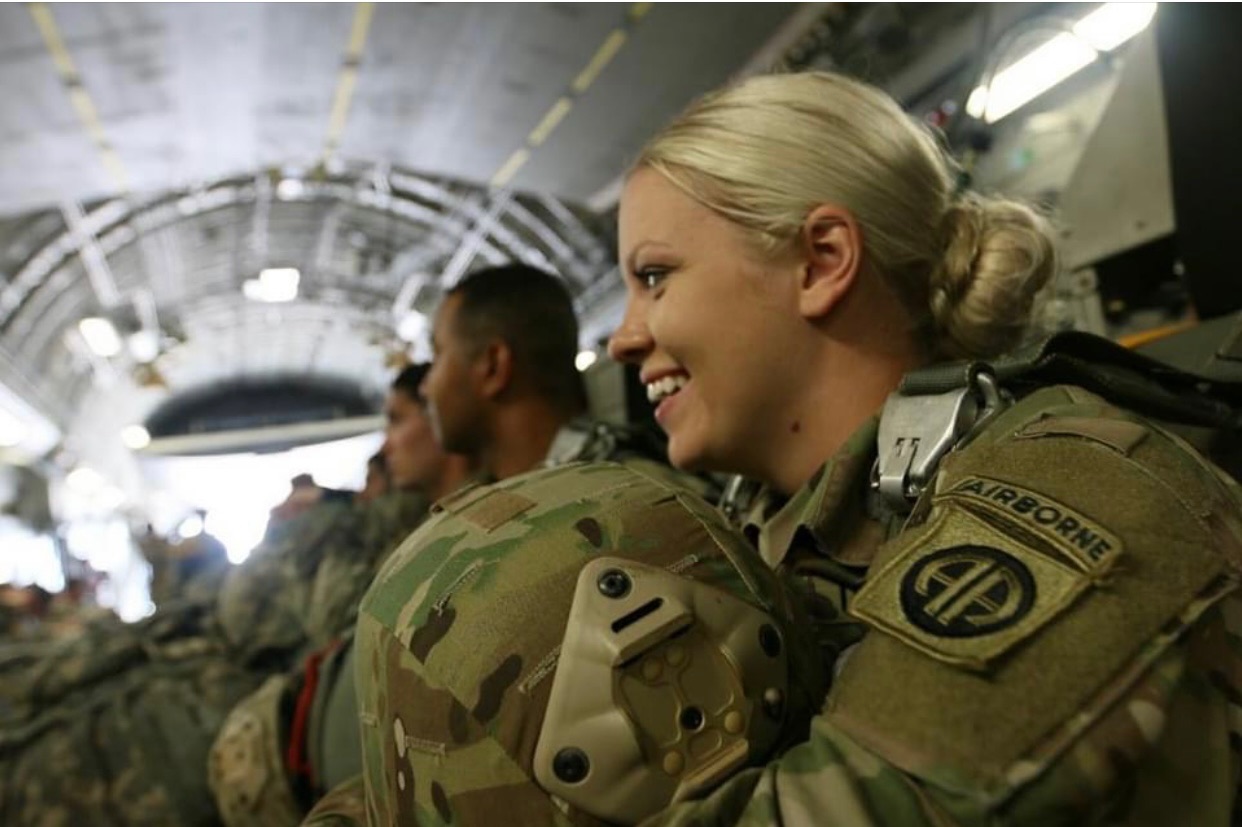
Under federal law, active-duty service members cannot sue the military, even in cases of medical malpractice. But in 2019, Congress passed the SFC Richard Stayskal Military Medical Accountability Act, which gave troops and families a system that allowed them to file claims for personal injury or deaths caused by Department of Defense health care providers. Rather than sue their doctors, troops can now file for compensation with a review board. The law allocated $400 million to be paid out to service members over a decade for those claims, beginning in 2020.
But more than five years later, the system denies far more claims than it approves.
Task & Purpose obtained data on claims filed since 2020 from the Army, Air Force, Navy, and Marine Corps. As of May, 764 service members and family members of troops have filed claims under the Stayskal law, but only 73 have been approved.
Of the $400 million set aside by Congress for those claims, the services have released just $15 million since 2020.
Less than 10% of claims since 2020 had been approved as of last month. About 38% were still in review, and over half had been denied.
Palladini, a former Army specialist, said she is one of the lucky ones. Her case was approved in April, but only after years of fighting. She filed her claim in 2020, but spent years appealing a case focused on whether Army doctors followed medical protocols and recorded Palladini’s care properly.
The doctors at Womack “breached the standard of care” during her C-section and failed “to adequately locate, repair, and document the injury,” Defense Health Agency officials wrote in a final claim approval letter.
“I’ve tried to remind myself to be grateful because so many people have been denied and got nothing in this process,” Palladini said.
52% of claims have been denied
Out of the more than 760 claims filed since the system was set up, more than half have been denied. One of those denied was the active duty soldier for whom the law is named.
Master Sgt. Richard Stayskal, an Army Green Beret, was diagnosed with lung cancer in June 2017. By January 2018, it had spread to Stage IV. Stayskal believes military doctors missed several opportunities to diagnose and treat him earlier.
In 2019, his case prompted lawmakers to create the system for compensation and appeals.
He filed a claim in 2020. In 2023, the Defense Health Agency made a final determination of denial for his claim.
“When they denied me, I knew it was coming, and I feel like they were setting a standard of, ‘Well, we didn’t even pay him, why would we pay you?’ They set a tone that says, ‘We’re not just handing out free money,’” Stayskal said. “If that’s all they’ve paid out for compensation, I think that should be reevaluated and looked at as to what’s the total amount that’s been asked for, and then what have we paid out and why is the number so different?”
A sailor who followed doctor’s orders
Suzi Way also knows what the claims process battle looks like for the families of deceased service members. In December 2017, her son, Jordan Way, was a Navy Corpsman assigned to Marine Corps Air Ground Combat Center Twentynine Palms, California, when he went to the base’s naval hospital for routine shoulder surgery. The procedure was on a Tuesday, after which a doctor prescribed him oxycodone. In the days after, he took 80 doses of the opiate, following instructions from his doctor. By Saturday, he was dead.
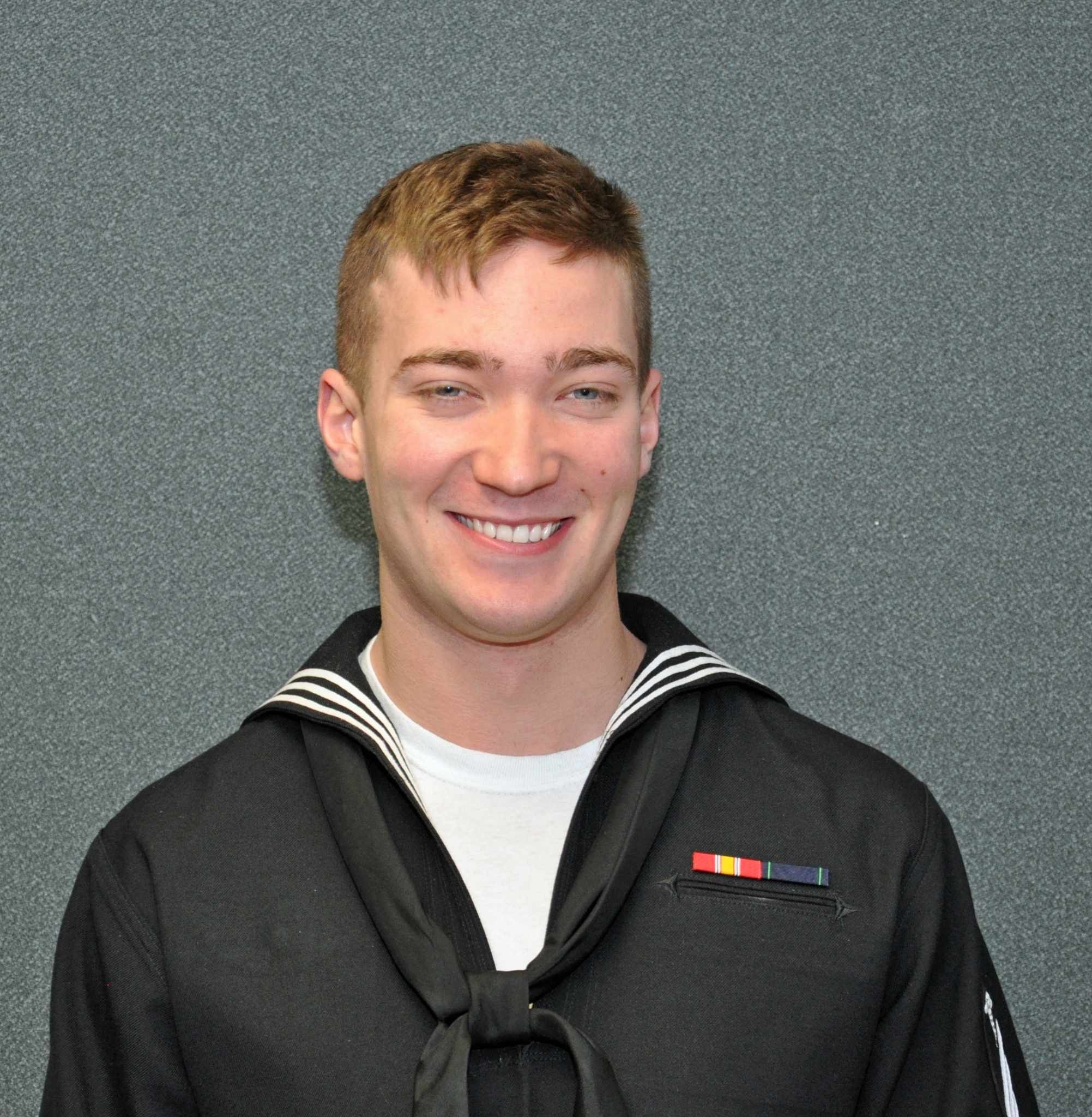
Suzi Way submitted a claim through the medical malpractice system. The Navy said the claim did not provide medical evidence. The Ways’ lawyer told Task & Purpose that their claim included supporting documentation and an expert opinion. The family appealed and got another rejection.
“They could have just photocopied the original denial to us,” Suzi Way said.
Suzi Way said she believes there needs to be more transparency in an already “emotionally exhausting” claims process. Congress has previously attempted to pass legislation to improve transparency behind the claims process and have them decided by district courts.
“Families frequently spend years gathering records, consulting experts, and navigating appeals. Families are expected to provide extensive evidence and expert opinions to support their claims. Yet when a claim is denied, there is often little transparency regarding who reviewed the case, what their qualifications were, or how conclusions were reached,” Suzi Way said. “If service members and families are expected to prove their case, they should have confidence in the qualifications and independence of those evaluating it.”
Officials from the Army, Air Force and the Navy said in statements to Task & Purpose that the majority of denials included claims that didn’t provide required information or missed a two-year time limit for filing a claim. Army officials additionally said that the majority of claim denials were issued after review boards found that medical personnel had “met” a required standard of care.

The Army has received 351 claims, settling 45 and denying 160, with 146 still under review. Of those approved, 33 have so far been paid a total of $8.1 million in compensation.
The Air Force has received 163 claims, and settled 14, paying out nearly $2 million. The service has denied 100 claims, leaving 49 still being adjudicated.
The Navy (which also includes Marine Corps cases) has received 250 medical malpractice claims and settled 14, paying out more than $5.3 million to claimants. As of May, 138 claims were denied, and 98 are still under review.
Army says VA disability can ‘offset’ malpractice claims
In 2023, the Pentagon raised the maximum amount that service members can get for non-economic damages to $750,000. Palladini said her claim was not approved for the maximum payment. She did not want to disclose the final number.
Unable to have more children, Palladini fought for DHA to cover the expense of a surrogate. But the agency ruled that her medical expenses were “fully offset” by other benefits like VA disability compensation and health care coverage.

But that made little sense, said Palladini, whose five years in the Army included time with the 82nd Airborne Division, because most of her VA compensation is from service-connected injuries unrelated to the loss of her fertility.
“The VA and DoD do not cover IVF or surrogacy, which is exactly what the economic damages portion of my claim was intended to cover. But then they turn around and offset my damages anyway,” Palladini said. “I jumped out of airplanes. I had airborne-related injuries. Even without the ratings connected to the malpractice, I would still be rated 100% disabled.”
Loading comments…
Comments couldn’t be loaded. Please refresh the page.