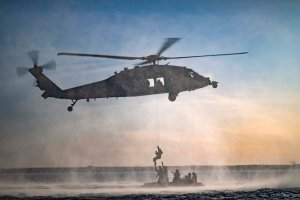
Military aircraft come in all shapes and sizes, but these days nearly all of them have one thing in common: they are painted grey. Boring, monotonous grey. But military aviation has a colorful history: from the invasion stripes and red tails of World War II to the bare metal of Korea and the camo schemes of Vietnam.
So what happened? Turns out science, art and logistics all play a role in how the U.S. military paints its aircraft for battle.
Aircraft camouflage kicked off during World War I, when aircraft proved great tools for scouting enemy positions, which in turn led to the development of anti-aircraft guns and air-to-air combat.
Concealing aircraft on the ground and in the air is a game of trade-offs. You can paint a plane blue to blend in with the sky, but it’ll stick out against the ground to anyone flying overhead, and vice versa. How much a plane blends in with anything depends on the season, the time of day, the number of clouds in the sky, and whether you’re flying at high or low altitude.
Top Stories This Week
Aircraft are loud, fast-moving objects, so invisibility has never been the goal of aircraft camouflage. Instead, the goal is to make it more difficult for enemy pilots or ground crews to spot you from afar or figure out where you’re going. Buying even a half-second could mean life or death.
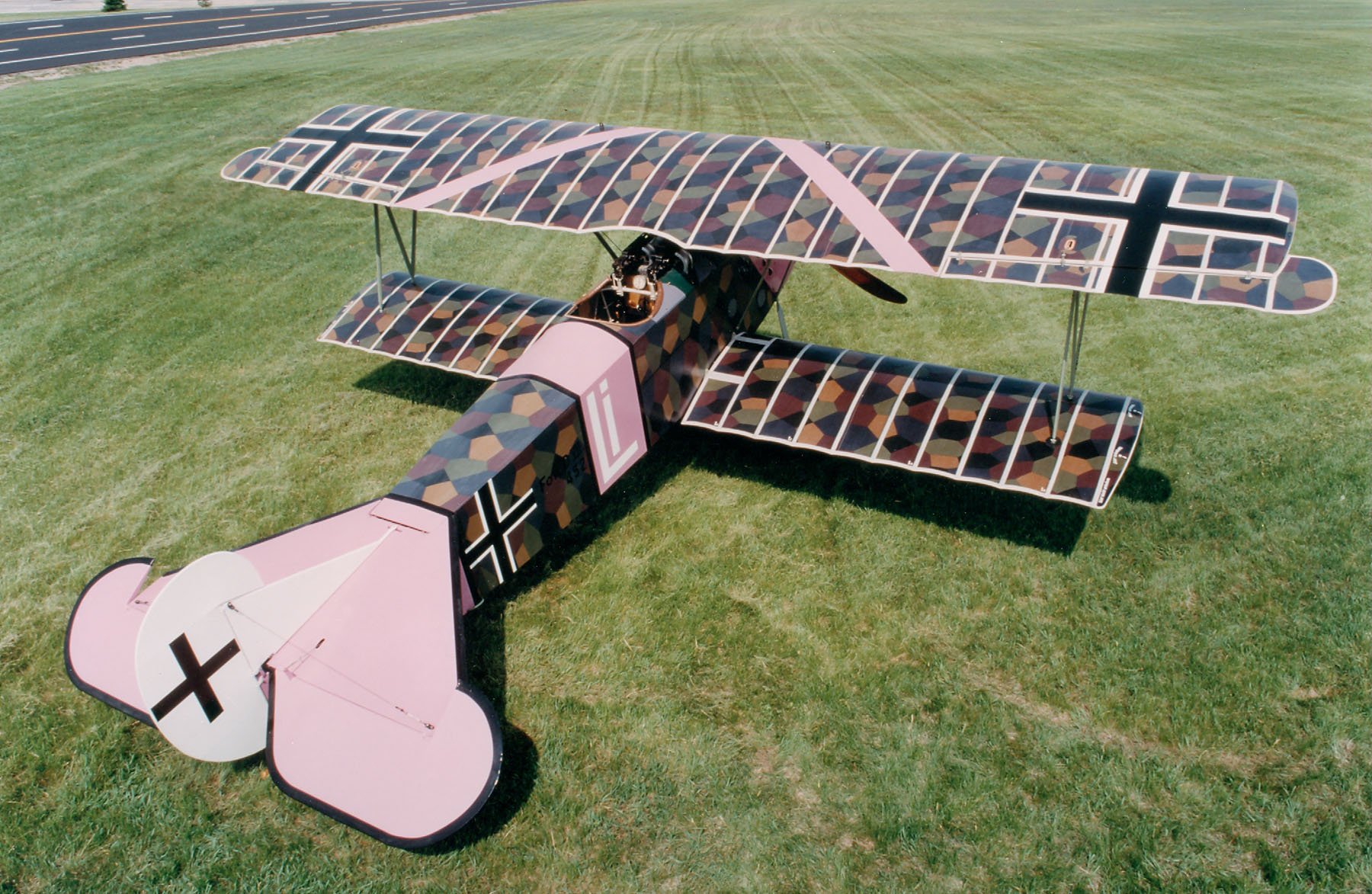
The Germans led the way, inventing the multi-color “lozenge” pattern that broke up the outline of an aircraft when seen from far away. As the war went on, more aircraft were countershaded, meaning their undersides were painted grey or blue to blend in with the sky, while their upper sides were painted some form of green or camouflage to blend in with the ground.
World War I also saw the start of roundels — national insignia painted on the sides of aircraft. These identifiers aimed to reduce the chance of friendly fire, but at the cost of disrupting the aircraft’s camouflage.
Countershading continued in World War II, though naval aircraft were often painted blue or grey on top to blend in with the ocean. Air forces often painted larger and brighter identifiers to avoid friendly fire amid the chaos of large-scale offensive operations. Examples include the yellow noses the Luftwaffe painted on its fighters during the Battle of Britain, and the black-and-white stripes painted on Allied aircraft during the D-Day invasion.
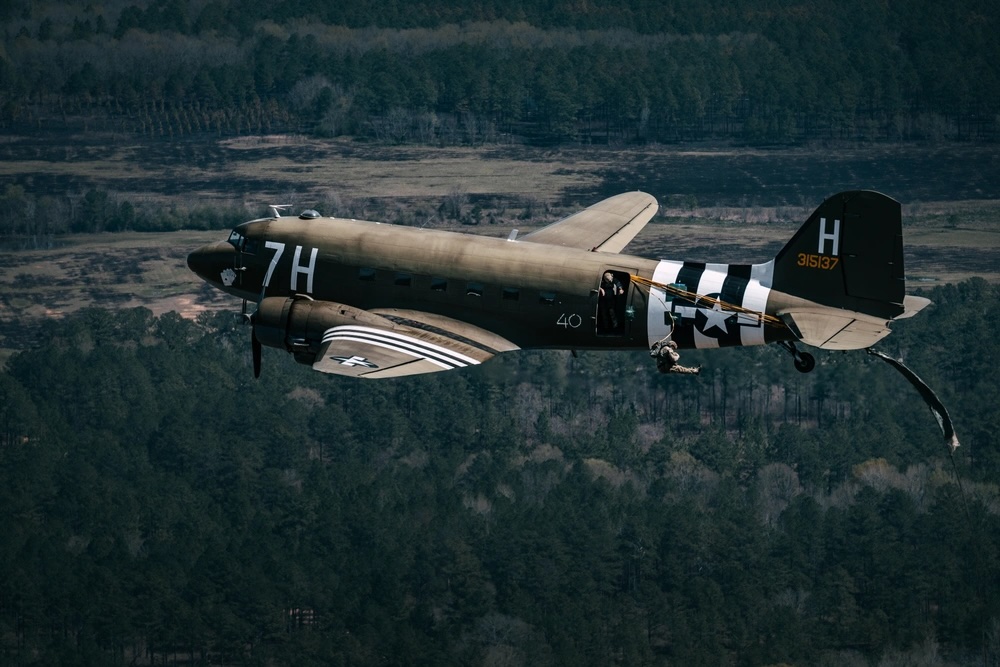
As the war went on, the U.S. Army Air Forces shed its olive drab paint schemes in favor of bare aluminum. Turns out, paint weighs a lot — 176 pounds on a World War II bomber-sized aircraft, according to one research paper. More weight means less range, which was a big concern for Allied bombers trying to hit targets deep within Europe from southern England. And as the Luftwaffe was pushed back, there was less of a need to conceal Allied aircraft on the ground to protect them from air attack, so there was less need to cover the fleet in green paint.
U.S. land-based aircraft sported the shiny bare metal look through the early Cold War, but in Vietnam, Air Force pilots found themselves flying low over the jungle to avoid North Vietnamese radar and to support ground troops. They often flew so low that anti-aircraft gunners fired down at them from surrounding hilltops. That, plus a renewed fear of Soviet attack on air bases in Europe, led to a revival of the camouflage paint scheme, but U.S. Navy and Marine Corps aircraft stuck with a grey scheme to better blend in with the ocean.
In the 1970s and 1980s, a series of studies showed that grey-painted fighters were more difficult to see against the sky at medium-to-high altitudes than camo-painted fighters. Most European and North American aircraft soon went grey for both their aircraft paint and roundels.
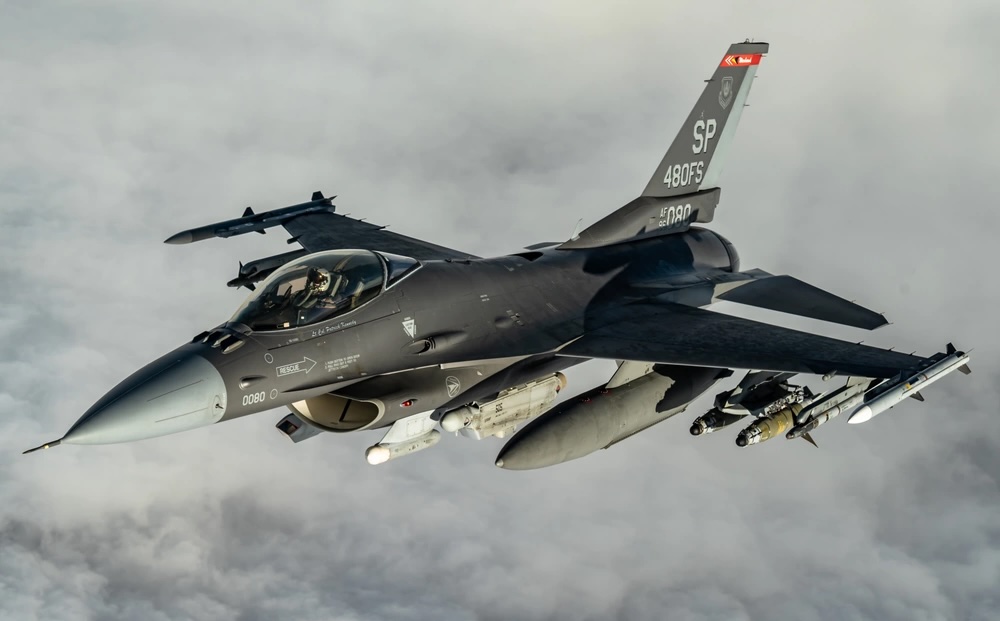
Some of the scariest threats military aviators face today are radar-guided and thermal-guided missiles, and they don’t care what cool color your aircraft is painted. Stealth aircraft designs and flying under the radar mitigate enemy radar, but paint still matters. Today, many U.S. fighter jets are painted in radar-absorbent materials, which can absorb radar energy and make a smaller radar cross-section.
And paint still matters during close-range air combat, where small details such as a false canopy or countershading can give a fighter jet a half-second longer to get into a better position, which makes all the difference in a dogfight.
There is a lot more interesting stuff to learn about aircraft camouflage. Check out the rest by watching our video here.