
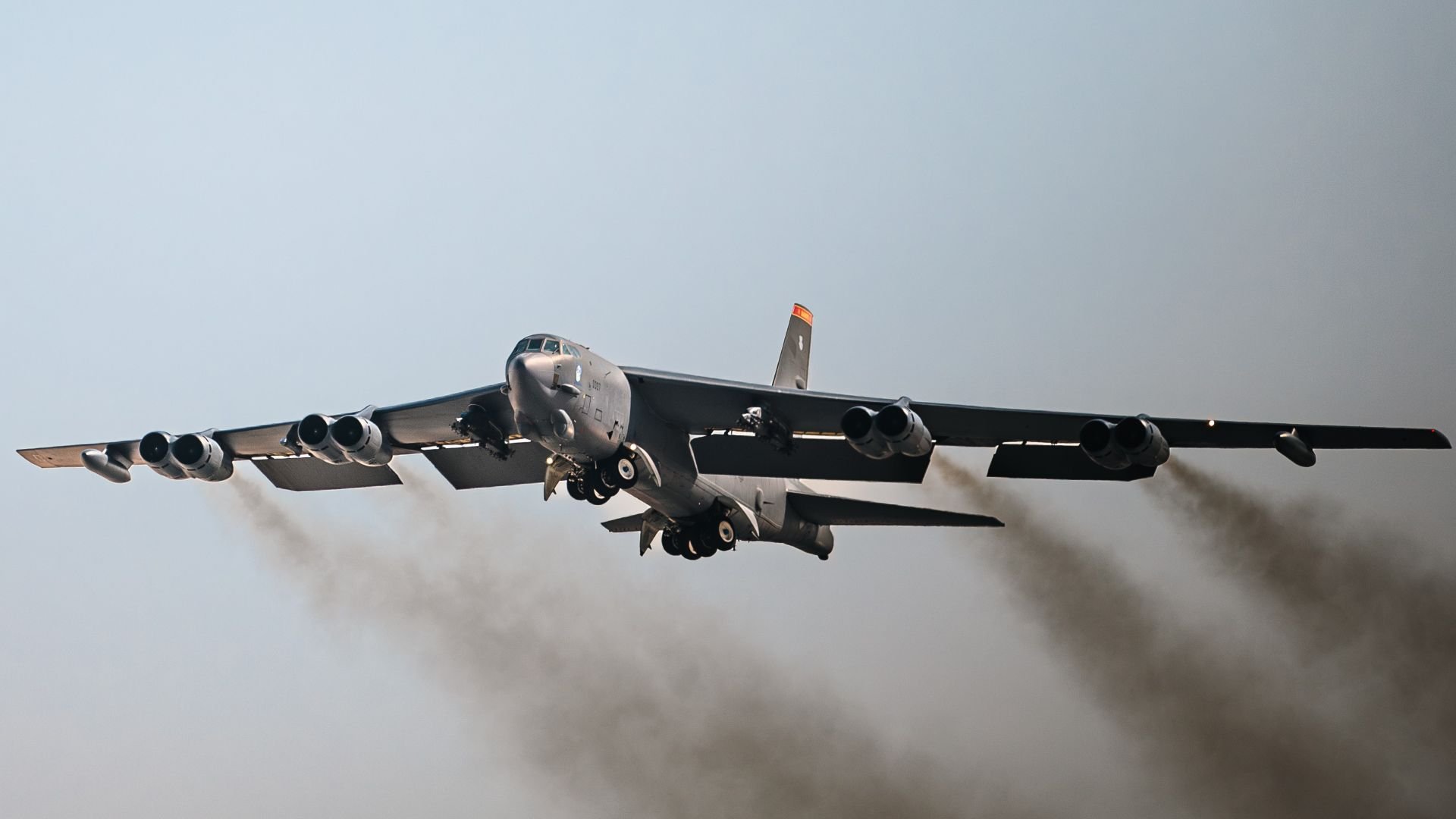
A major initiative to upgrade the B-52 Stratofortress to extend the bomber’s time in service faces delays and cost overruns that could impact readiness, a government watchdog found.
The Government Accountability Office issued a new report on the overhaul’s progress on July 31. The watchdog found that two of the biggest parts of the modernization effort — new engine and radar programs — have “experienced cost increases of more than 30 percent and schedule delays of more than 3 years since the programs began early development. Both programs are at risk for additional cost, schedule, and performance challenges as they plan to begin production of modernization efforts about the same time developmental testing begins.”
The Air Force plans to keep the bomber in service through 2050, nearly 100 years after it first entered use. The B-52 has been in service for 71 years, with the last of the currently 75 B-52s in the Air Force fleet delivered in 1962. The Air Force’s roughly $21 billion initiative will overhaul much of the airframe’s infrastructure, namely new engines, communication systems and its radar. However, 10 of the 13 programs that make up the overhaul have “varying degrees” of “cost growth, schedule delays, or performance challenges.”
Top Stories This Week
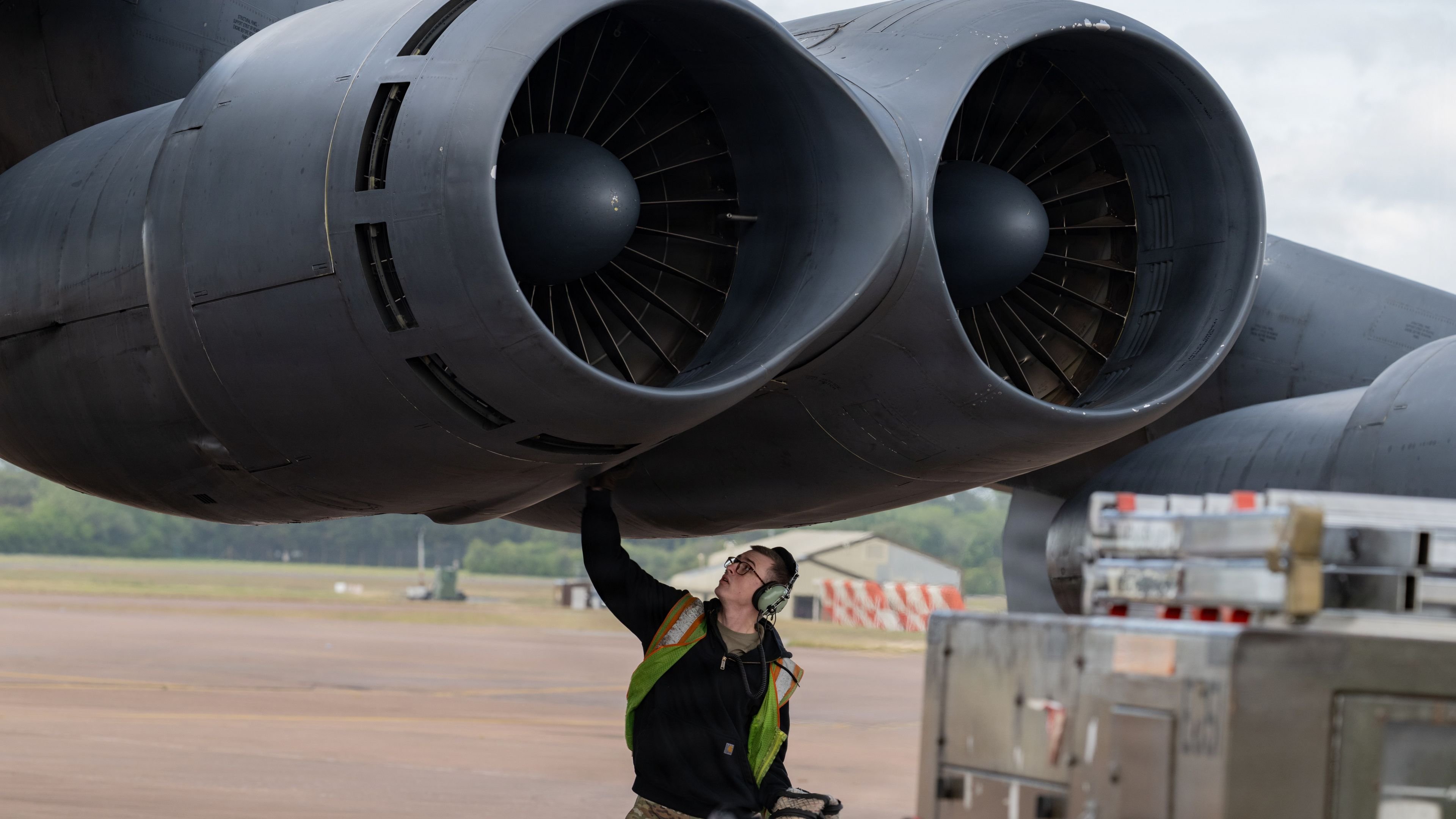
One of the biggest issues is the plan to put new engines on the bomber. The Commercial Engine Replacement Program, or CERP as it’s called, makes up the bulk of the modernization project. The program will fit B-52s with new Rolls-Royce F130 engines. CERP has seen costs rise by 38%. Meanwhile, the schedule is at risk as the Air Force plans on doing both engine development and flight testing concurrently, which presents risks of delays if serious modifications are required.
Another major modernization effort is upgrading the B-52’s radar system. Delays have pushed back its scheduled operational start to the third quarter of the 2030 fiscal year.
Other challenges include a lack of support equipment, unclear guidance on supplies and equipment and the Air Force not “consistently” using digital tools to track data on the project.
“The scope of the cumulative B-52 modernization effort, combined with the inherent complexity associated with simultaneously executing multiple independent and concurrent programs, results in technical, programmatic, and operational challenges for the entire community tasked to develop, integrate, test, and field these upgrades,” auditors wrote in the report.
Much of the report notes findings “as of March 2026,” and lists 76 B-52s in the Air Force inventory. After the report was prepared, a B-52 Stratofortress taking part in the radar modernization program crashed in a test flight on June 15, shortly after takeoff from Edwards Air Force Base in California. The crash killed all eight on board; the Air Force is investigating the fatal incident.
Despite its age, it remains a major part of the Air Force’s strategy and U.S. combat operations. Several B-52s flew by Venezuela late in 2025 as a show of force prior to the U.S. raid on Caracas in January. They also have played a part in Operation Epic Fury this spring in missions against Iran.
The B-52 program has had challenges in recent years, with trouble sourcing parts for repairs or outdated equipment, which, according to previous GAO investigations, impacted its mission readiness.
The GAO issued six recommendations, including updating the repair plans to account for any delays in modernization efforts, clarifying rules and responsibilities for tracking the longevity of parts and equipment, and assessing if digital engineering can help the program. One of the most significant recommendations calls for delaying a decision on CERP production until the program’s office finishes an analysis of the impact of new delays and costs.
Loading comments…
Comments couldn’t be loaded. Please refresh the page.