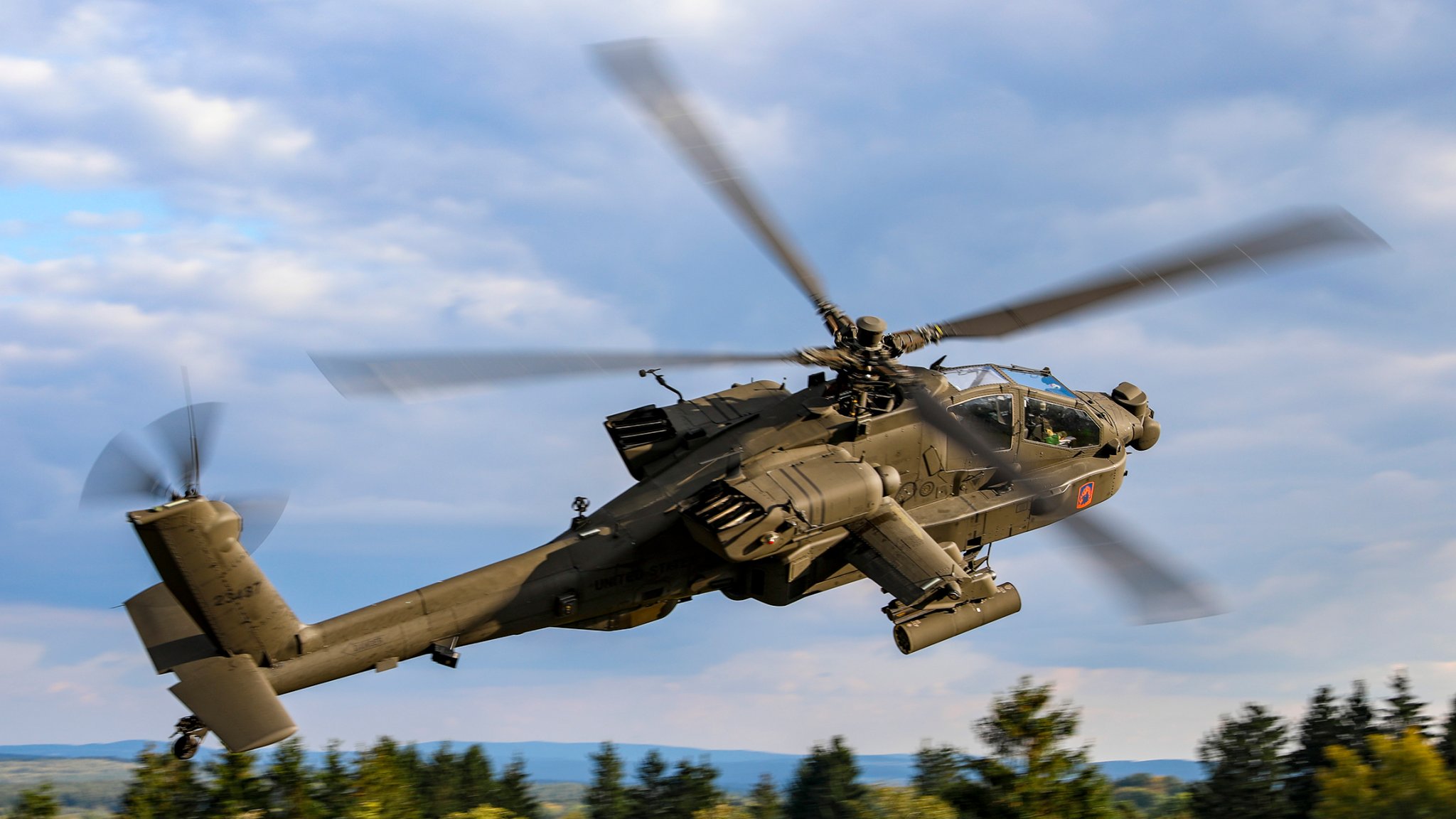
The Army is one step closer to turning the AH-64 Apache helicopter into a drone-hunting tool. Soldiers recently carried out live-fire tests of a new explosive round specifically designed to take out enemy drones at the Yuma Proving Grounds in Arizona.
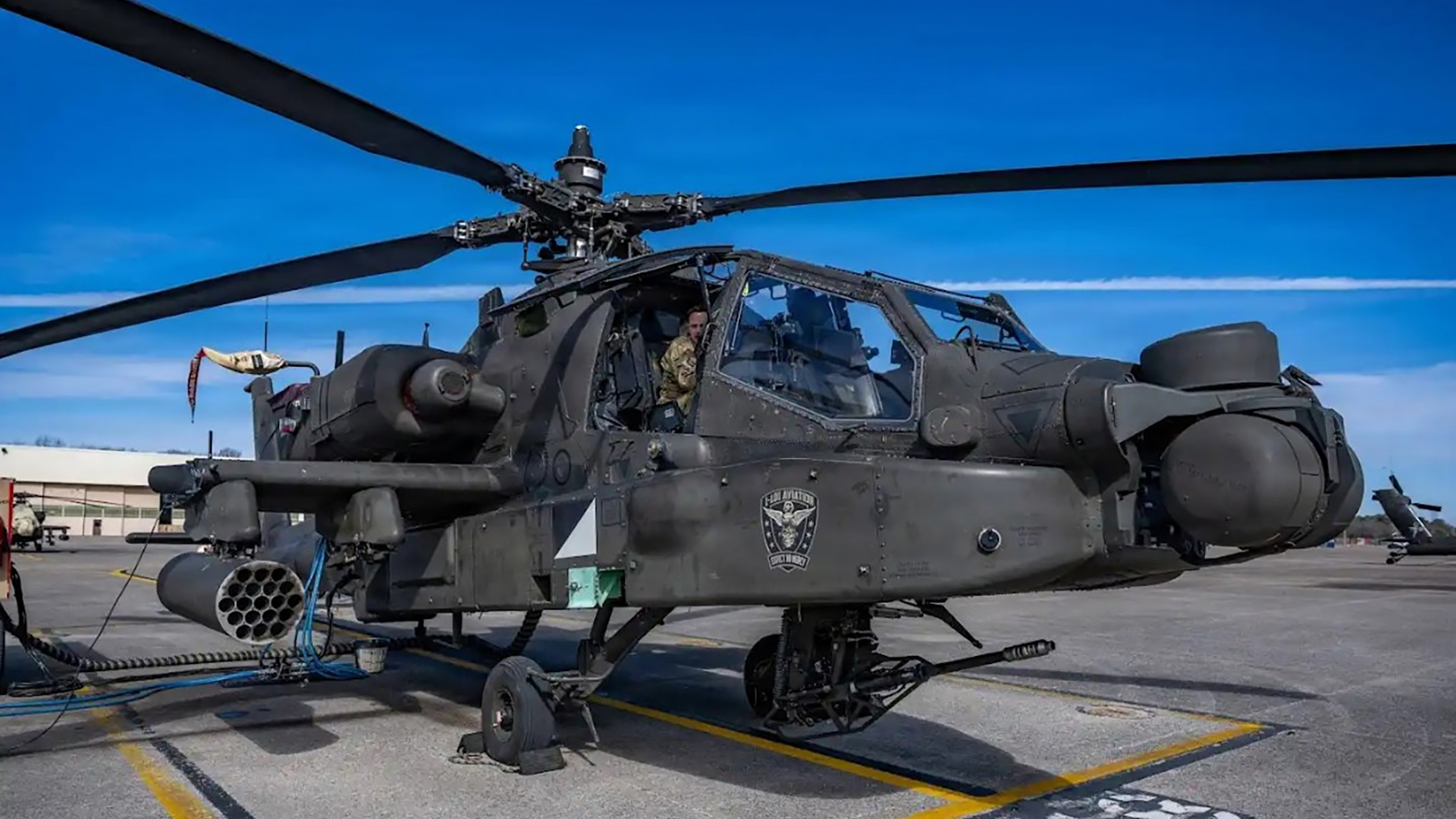
The tests involved Apaches firing the new 30x113mm XM1225 Aviation Proximity Explosive rounds at multiple types of small drones. The Apache is designed for and used to provide aerial support for ground forces, but as uncrewed aerial systems or drones have quickly become a part of warfare, the Army is looking to use the existing helicopters as drone hunters. In this case, the new airburst-capable bullet is meant to turn the Apache’s existing 30mm cannon into a tool to shred drone swarms. The test took place in December — just two months after the Army revealed the new ammunition — although the Army only announced it late last week.
The Army noted that the ammunition can be used against targets other than drones, although the rounds are designed as a counter-UAS tool. One of the selling points of the new bullet is its proximity fuse, letting it detonate mid-air near a target, allowing it to take out a drone even if it can’t get a direct hit. That offers a clear air-to-air benefit against increasingly larger or denser drone swarms. And according to one test pilot, the new weapon has an additional benefit: It doesn’t have a “substantial training requirement on the maintainers or pilots who fire it.”
The Army and the military as a whole have been rapidly trying to build out its arsenal of drones and its counter-drone weapons. With the rapid rise of drones in combat, the military has been forced to use existing munitions and systems, with many — such as the Standard Missiles fired by the Navy against Houthi drones in the Red Sea — being costly and hard to quickly replenish. The Air Force has had some success with using the A-10 Warthog against drones in the Middle East, but that system is being phased out.
The Army, in particular, has been looking for cheaper weapons to use with existing platforms. Like the other branches it’s tested directed energy or laser weapons. One of those, the LOCUST, was recently lent to Customs and Border Protection at the southern border, and fired last week, causing an abrupt closure of the air space around El Paso.
While the military is working to train troops on using their own drones offensively, a major concern has been defending against enemy UAS. Joint Inter-Agency Task Force 401, the Army-led body working to develop defensive tactics against drones. Soldiers have been training with a variety of weapons for the task, ranging from electromagnetic jammers to lasers and more conventional kinetic weapons as well. In Decembe,r a Department of Defense Inspector General’s report found that the military was failing to meet rules on defending bases against enemy drones.
In the fall the Army revealed it was developing new 25mm and 30mm bullets for the Bradley Fighting Vehicle and Apache helicopter, respectively. At the time, no window was announced for when the Apache’s new airburst round could be fielded. The Army’s new release on the December test noted the program is accelerating to support “urgent fielding” for soldiers, suggesting that the new 30mm ammunition could see action soon.