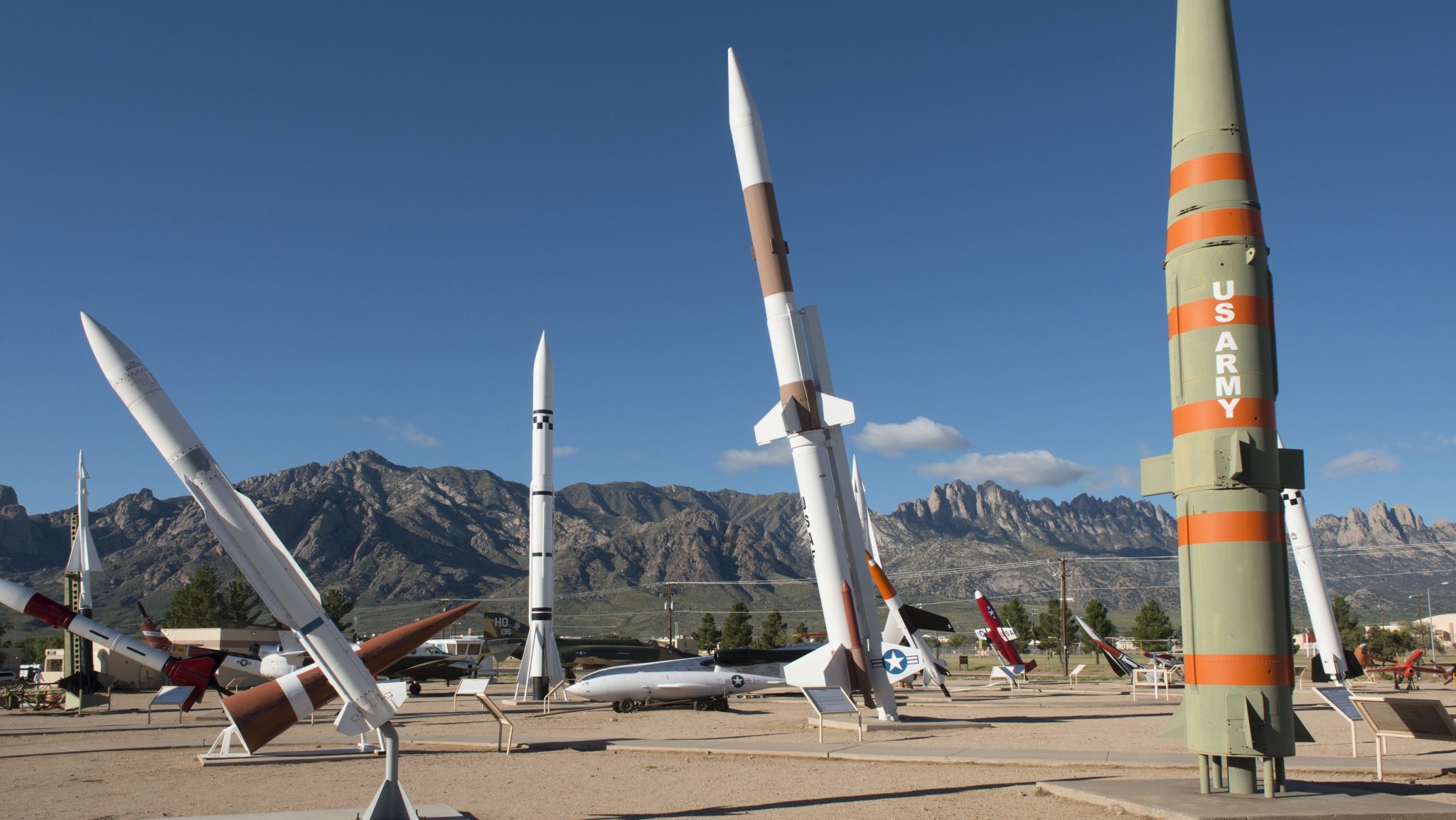
The Army has put a hold on a proposed wave of closures that would have shuttered more than 20 official museums on Army bases around the country. Instead, the service will fall in line with rules set down by Congress this year that direct each military service to establish a “museum system.”
The Navy, Air Force, and Marine Corps each operate a handful of established formal museums, but the Army’s 45-facility museum network is by far the largest and least centralized, spread across nearly 100 buildings and warehouses on bases across the U.S. and overseas. Army museums include several large, heavily visited facilities at major bases, like the National Museum of the United States Army at Fort Belvoir, Virginia, and the National Infantry Museum at Fort Benning, Georgia. But just as many are small facilities dedicated to lesser-known jobs at out-of-the-way bases like Virginia’s U.S. Army Transportation Museum at Fort Eustis and both the Quartermaster Museum and the Ordnance Training Support Facility at Fort Lee.
“The museum enterprise was created because lots of individual entities, whether that was posts or units or schools, created their own little museums,” said James Vizzard, an Army museum official at Fort McNair in Washington, D.C. Vizzard spoke to Task & Purpose in June as the Army considered closing many of its smaller museums. “So you had a post commander who was all excited about it and put a lot of money into it and built it up. And then the next commander was like, ‘I don’t really care about the museum. I got to train people to go to war.’”
The June plan, first reported by Task & Purpose, would have closed about half of the Army’s museums, but the service announced in March it would “pause” those closings after Congress weighed in with its own museum plan in the Pentagon’s 2026 budget.
Top Stories This Week
As part of the National Defense Authorization Act passed in December, lawmakers instructed the Army, Navy and Air Force to design and launch a “museum system” for each service. The bill grandfathers in the Navy’s 11 current museums and the Air Force’s massive 20-acre, 350-aircraft National Museum of the Air Force at Wright-Patterson Air Force Base.
For the Army, though, the law simply instructs the service to develop a roster of museums that reflect “historical significance to Army operations, technology, or personnel; public accessibility and educational outreach programs; and alignment with the mission of the Army to preserve its heritage.”
But Lawmakers also now want to see any plans to close museums.
Before any of the three services can close a museum, the law says, officials must show lawmakers where its exhibits and artifacts will go, where its employees will land, and outreach to local groups who might take over the museum in a public-private partnership.
Many of the Army’s largest museums have converted to public-private models recently, or will soon, including the Wings of Liberty Military Museum at Fort Campbell, Kentucky. The National Museum of the Marine Corps in Triangle, Virginia, is also a public-private enterprise between the service and the Marine Corps Heritage Foundation.
“The Army Museum Enterprise remains a world-class collection of stories and artifacts that trains and acculturates soldiers and connects the Army to American society,” said Charles R. Bowery Jr., Executive Director of the Center of Military History.