
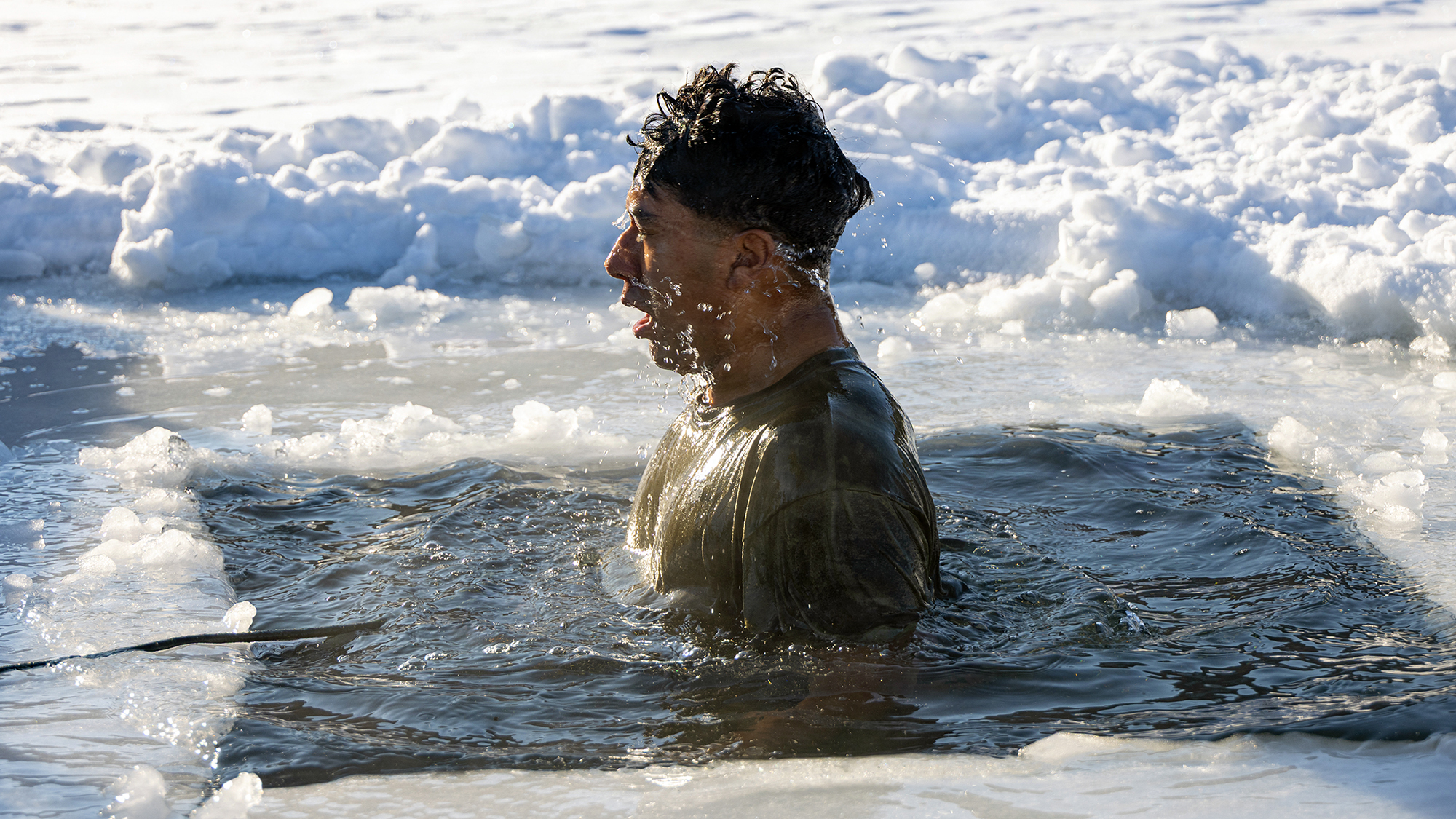
Marines operate in jungle environments, hot deserts, and Arctic expanses. Like with other parts of the military, severe heat and cold pose a real risk to them. And now the Corps wants Marines to do better at tracking extreme temperature conditions to prevent them from ending up as hot or cold weather casualties.
This month, the Marine Corps issued an administrative notice for its Heat and Cold Stress Injury Prevention Program. It’s the first update in more than a decade, with step-by-step directives to base commanders, unit leaders and medical personnel to be prepared for extreme temperatures and to prevent heat-related problems.
The new guidelines are meant to ensure “all potentially exposed personnel receive training on the causes, prevention, and treatment of heat and cold stress injuries.”
“Training shall include the wet-bulb globe temperature (WBGT) index, work/rest cycles, flag warning systems and wind chill index,” the notice says. “Medical department personnel are available to assist with training. Conduct refresher training at the discretion of the [commander/officer in charge] and prior to exposure to hot or cold environments.”
The last time the Marine Corps issued guidance on this was in 2015. The new directive is largely similar, but puts a greater emphasis on data collection by commanders and logging any and all heat or cold injuries through the Risk Management Informational system. Military.com first reported on the new notice.
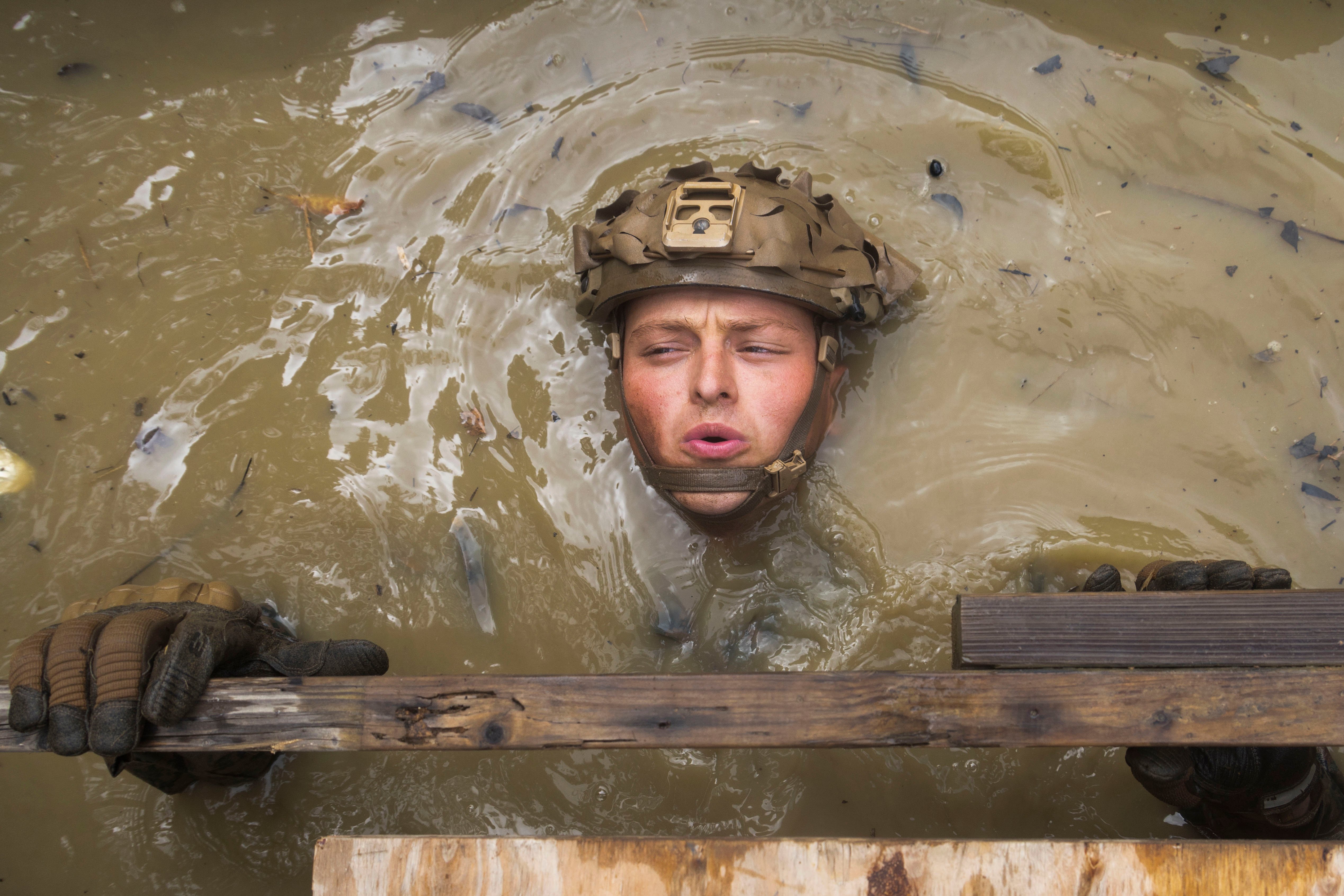
Despite existing regulations and precautions, extreme weather continues to be a real and sometimes fatal risk for service members. Extreme heat has resulted in troops collapsing and later dying.
The new guidance directs Marine commanders to develop a standard operating procedure for training or operating in extreme climates, track temperatures, and make sure that all troops are properly trained and equipped before beginning any operation. Alongside better record-keeping, commanders are instructed to make sure there are enough breaks during extreme weather training and that Marines stay hydrated throughout these operations. Troops with underlying factors such as medication or prior heat or cold stress reactions should also be identified and evaluated by medical personnel prior to training.
Top Stories This Week
The updated directive also calls for commanders to contact military medical personnel so that they are able to quickly assist. Additionally, a “sufficient number of trained personnel” are to be designated for monitoring people for any heat or cold stress casualties and assist them if needed.
The other major component of the new guidelines is a focus on data collection and record-keeping. Base and installation commanders are tasked with maintaining the WBGT meter and support units with tracking cases of hot and cold weather. Many bases are often located in areas that experience extreme heat.
Loading comments…
Comments couldn’t be loaded. Please refresh the page.