
Iraq is proving to be a central front in the ongoing war between Iran and the United States once again.
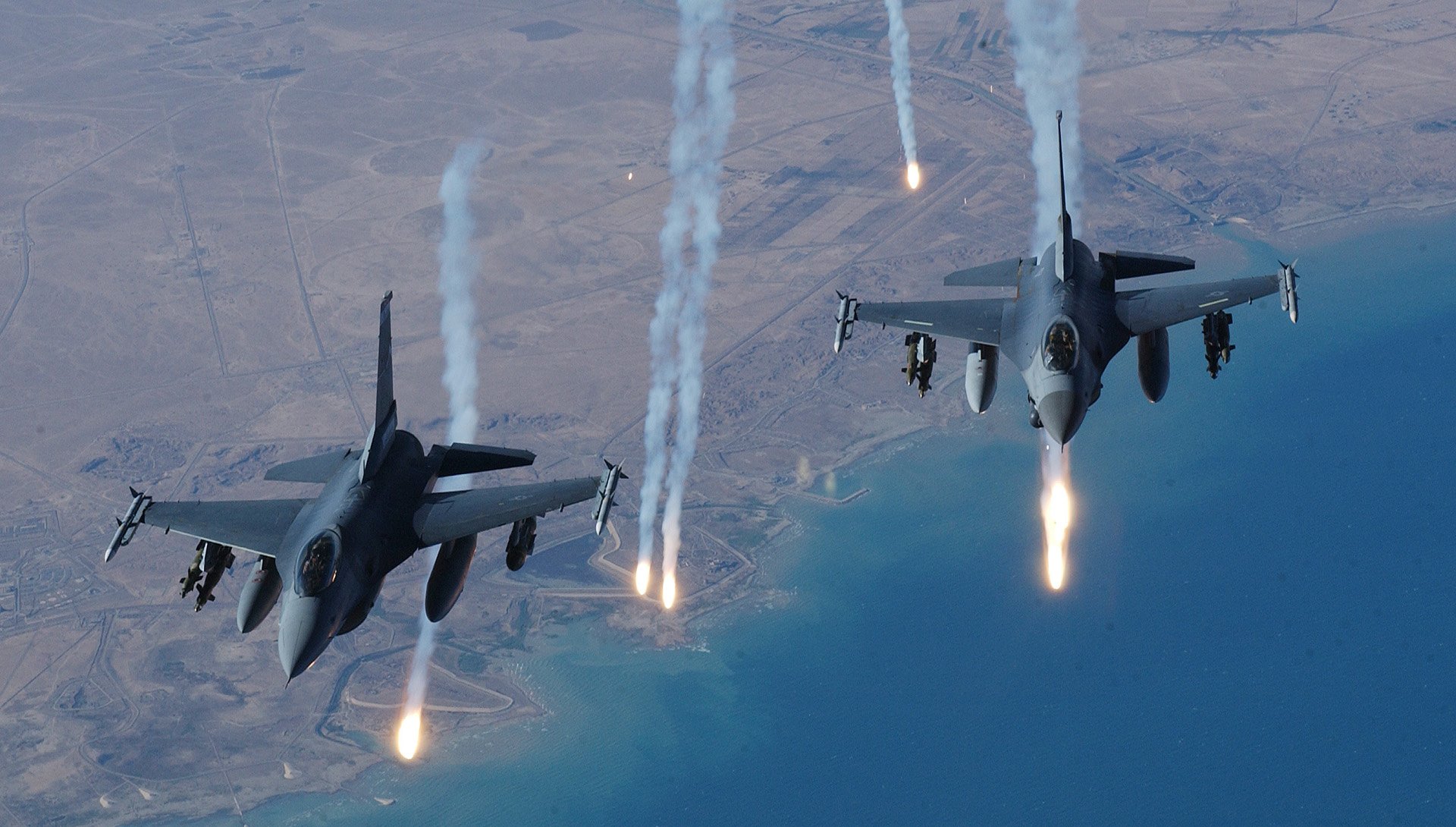
On Tuesday U.S. and Saudi fighters carried out airstrikes against Iranian-backed groups that the U.S. military says were responsible for recent drone attacks against U.S. forces and Saudi energy infrastructure.
U.S. Central Command, or CENTCOM, described the targeted groups as “terrorists” that had been directed by Iran’s Islamic Revolutionary Guard Corps to carry out more than 30 attacks in the past 72 hours.
“The unwarranted attacks against U.S. forces were not successful,” a CENTCOM news release says.
Top Stories This Week
Tuesday’s strikes hit “multiple terrorist logistics and weapons sites across eastern Iraq,” according to the command, which did not identify which Iranian-backed groups had been targeted.
During U.S. military operations against Iran earlier this year, dubbed “Epic Fury,” the conflict spread to Iraq.
“From February through April 2026, there were more than 600 attempted attacks on U.S. citizens and facilities by Iran-aligned terrorist militias in Iraq,” CENTCOM announced on Tuesday.
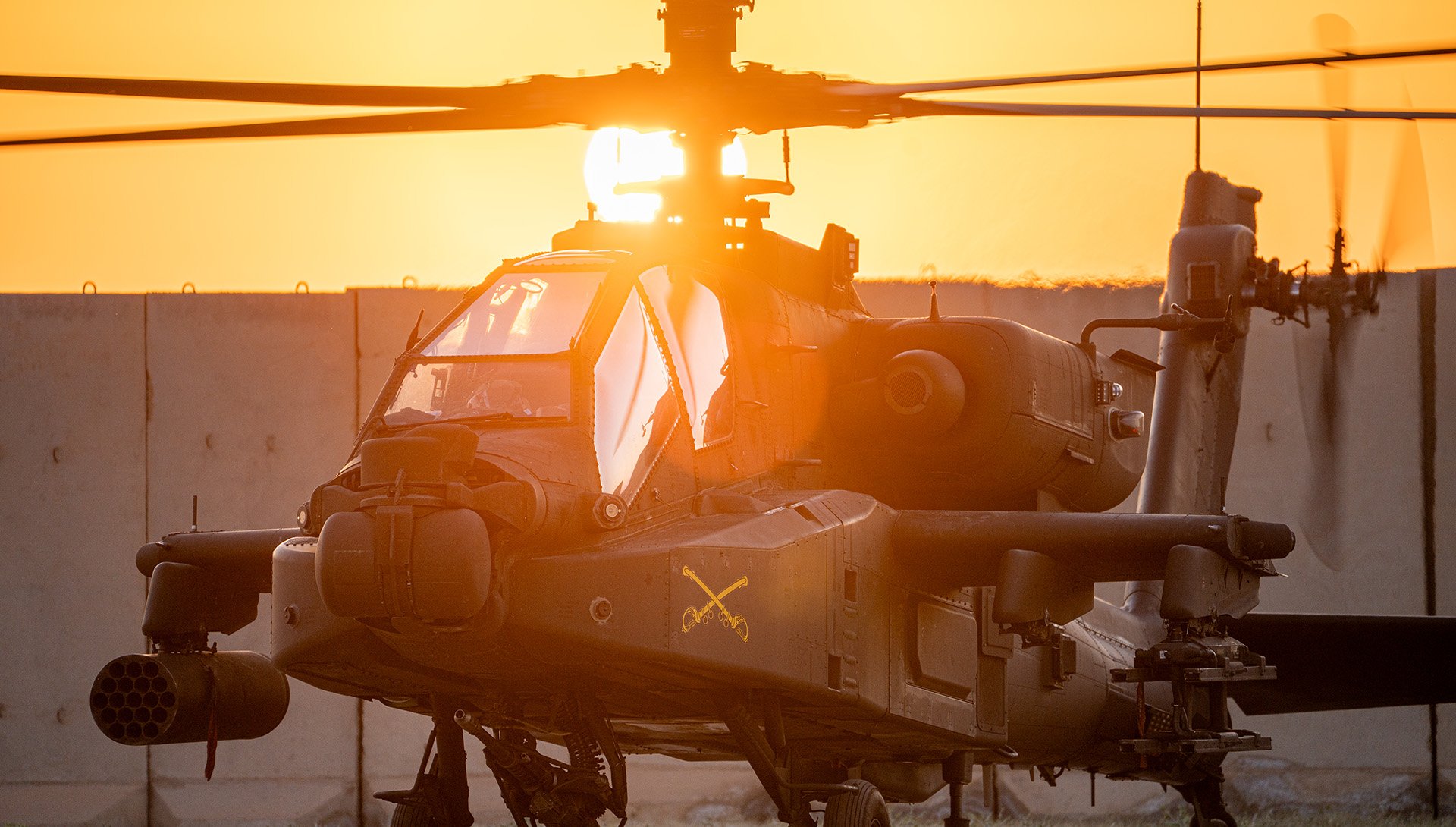
In March, Air Force Gen. Dan Caine, Chairman of the Joint Chiefs of Staff, told reporters that U.S. AH-64 Apache helicopters were attacking Iranian proxy groups in Iraq “to make sure that we suppress any threat in Iraq against U.S. forces or U.S. interests.”
Tuesday’s airstrikes come as U.S. troops are expected to withdraw from Iraq in September, leaders from both countries affirmed earlier this month.
The U.S. military has been battling Iranian-backed militia groups in Iraq for more than two decades. Following the invasion to oust Iraqi dictator Saddam Hussein, Iran provided weapons to Shiite militias and other groups that killed more than 600 service members between 2003 and 2011, according to the Defense Department.
U.S. troops often clashed with Iranian-backed groups in Iraq during operations against the Islamic State group, or ISIS, which began in 2014. A 2020 U.S. airstrike in Baghdad killed both Iranian Maj. Gen. Qasem Soleimani, the head of the Islamic Revolutionary Guard Corps Quds Force, and Abu Mahdi al-Muhandis, the commander of Kata’ib Hezbollah, a major Iranian proxy in Iraq.
After Hamas launched its Oct. 7, 2023 terrorist attack against Israel, an umbrella organization of Iranian-backed groups began striking U.S. troops in the Middle East. The network, which called itself the Islamic Resistance in Iraq, took credit for a January 2024 drone attack against a U.S. outpost in Jordan that killed three soldiers.
The commander of the U.S.-led military campaign against ISIS told Task & Purpose in 2024 that Iran exerted “a great degree of control” over the militias that were attacking U.S. troops.
One factor that has complicated U.S. efforts to counter those militias is that several of those groups are also part of the Popular Mobilization Forces, a group of Shiite militias that are nominally under Iraqi control, but many have direct ties to Iran’s Quds Force. President Donald Trump’s administration has pressured the Iraqi government to disarm these paramilitary groups.
Tuesday’s strikes by U.S. and Saudi forces in Iraq is the latest flareup since the collapse of a ceasefire between the United States and Iran earlier this month. A total of four U.S. troops have been killed since then including a soldier who died during a controlled detonation of a downed Iranian drone in Erbil, Iraq.
Trump recently decided to hold off on a major escalation of attacks against Iran in part because the U.S. military’s supply of air defense missiles is running low, according to the New York Times. A recent analysis by the Center for International Studies think tank in Washington, D.C. estimates just how diminished the stockpile of Patriot THAAD interceptors is.
Loading comments…
Comments couldn’t be loaded. Please refresh the page.