Sailors and Marines are now banned from using products containing kratom, a plant derivative widely sold alongside vape and CBD products. Kratom is sold and widely touted as a “natural” treatment for health conditions ranging from anxiety to pain relief to weight loss but those claims have drawn heavy doubts from traditional medical providers. Some states have reported an increasing number of poison control reports, and in severe cases, lawsuits have alleged that users died from concentrated products containing the substance.
The Food and Drug Administration specifically notes that kratom cannot be “lawfully marketed in the U.S. as a drug product, a dietary supplement, or a food additive in conventional food.”
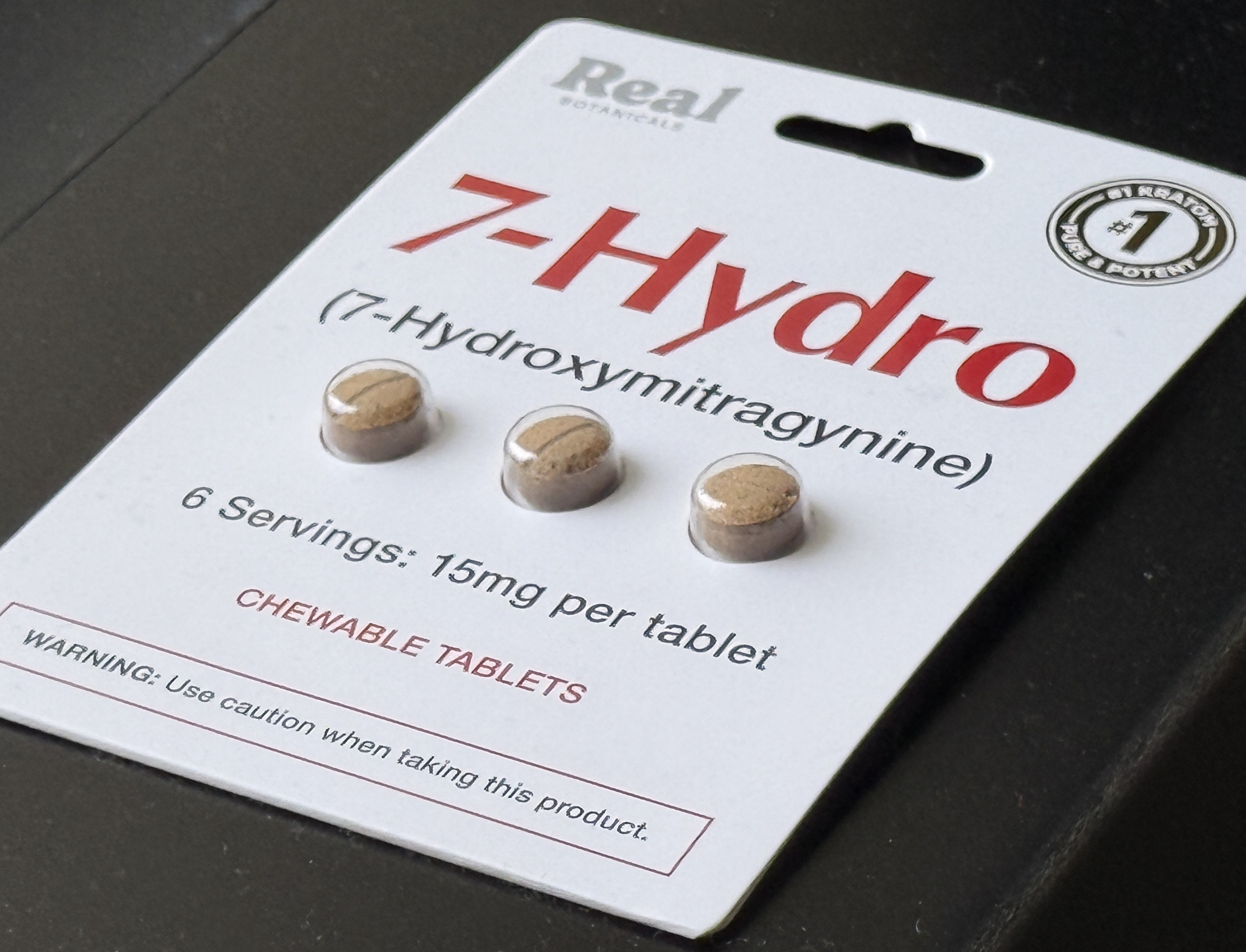
Kratom is derived from the leaves of a Southeast Asian tree, but products with processed, concentrated forms of a compound from the plant, 7-Hydroxymitragynine, commonly referred to as 7-OH, are sold in stores or online as leaves, capsules, edibles, vapes and liquid shots.
The Navy and Marines join the Army and Air Force in banning the substance. A Navy admin notice signed by Navy Secretary John Phelan added kratom and related synthetic products to the department’s list of banned substances in January.
A stimulant and pain reliever with little medical proof
In low doses, kratom causes stimulant effects but in high doses, it can act as a sedative, according to an online fact sheet from the U.S. Department of Justice and Drug Enforcement Administration.
Kratom has been used by Americans to “self-treat” conditions like pain, diarrhea, anxiety and depression, opioid use disorder, and opioid withdrawal, according to the the FDA. Related products have also been used as a dietary supplement, which the agency does not recommend.
Kratom is not federally regulated by the FDA and is currently classified by the DEA as a “Drug and Chemical of Concern.” According to a DEA fact sheet, kratom users have reported effects such as nausea, itching, sweating, dry mouth, constipation, increased urination, tachycardia, vomiting, drowsiness, and loss of appetite, insomnia, hepatotoxicity, seizure, and hallucinations.
In recent months, federal officials have begun warning users about the harms of the synthetic 7-OH version of the kratom plant. Regulators have begun recommending that it be listed by the DEA as a Schedule I substance, the most legally restrictive list of drugs which includes others like LSD and heroin.
In 2021, nearly 1.7 million Americans above the age of 12 used kratom, according to the Substance Abuse and Mental Health Services Administration’s National Survey on Drug Use and Health.
“Consistent with FDA’s practice with unapproved substances, until the agency scientists can evaluate the safety and effectiveness of kratom (or its components) in the treatment of any medical conditions, FDA will continue to warn the public against the use of kratom for medical treatment. The agency will also continue to monitor emerging data trends to better understand the substance and its components,” according to the FDA website.
Sailors and Marines who use, possess or distribute these substances could be subjected to a Uniform Code of Military Justice Article 92 Failure to Obey a Lawful General Order. The ban also applies to products “that are naturally derived, semi-synthetic or synthetic,” regardless if it’s bought legally, according to the Navy notice.
The latest ban is typical for the services which routinely update their list of banned substances, regardless of their legality in the U.S. Sometimes banned substances have lead to service-wide notices over products that merely contain traces of them — like in November when the Navy warned sailors about a protein bar at the base exchange containing hemp.