
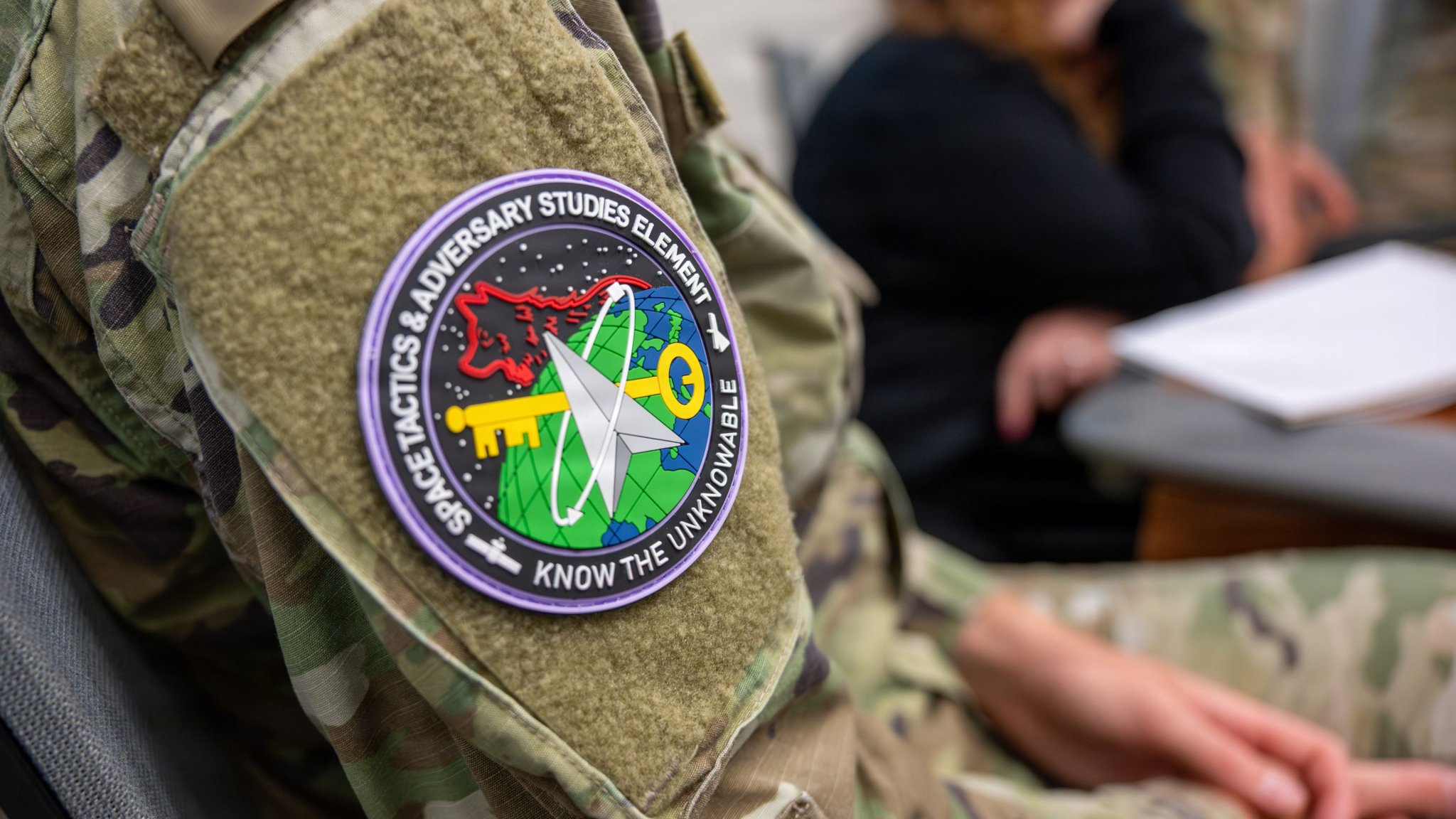
Space Force is seeking “several hundred officer and enlisted” personnel to transfer from other branches.
This month, the Space Force launched a new iteration of its Interservice Transfer Program, which lets members of the Army, Navy, Air Force and Marine Corps become guardians.
“All eligible ranks and career fields may apply, but the Space Force is particularly interested in mid-grade officers and enlisted service members with space-related experience,” a Space Force spokesperson told Task & Purpose.
The service is seeking officers with backgrounds in intelligence, cyber and space operations, alongside engineering and acquisitions. Service members who do not require retraining to serve in intelligence, cyber or space fields get priority selection and consideration, the force said. The Space Force also released a guide to show how different occupational specialties in the other branches line up with those available to guardians.
The application window started Sept. 15 and runs until Oct. 2. To apply, service members must submit a service brief, their last five performance reports as well as their most recent physical fitness assessment, a signed endorsement to transfer from their unit commander and documents showing any religious accommodations, including as they relate to facial hair.
Those who do make the transfer have a four-year active-duty service commitment. The interservice transfer board begins in November, and starting in January 2027 the board will announce those who can make the leap into Space Force.
Top Stories This Week
It’s the first time in three years Space Force has opened a transfer process for members of the rest of the armed forces. Space Force was successful in meeting its recruiting goals this year, in just a few months, but the force’s leadership has said it wants to double the relatively small branch of the military. Chief Master Sergeant of the Space Force John Bentivegna told Congress earlier this year that the goal was “entirely achievable” and was set in order to meet what he called a “national security necessity.” Currently, approximately 10,000 guardians are in the ranks.
Space Force is restarting its transfer program to meet “midgrade requirements and account for the service’s steep growth as projected,” the spokesperson told Task & Purpose. The last interservice transfer saw applications reviewed in late 2023, with those selected joining active-duty service in Space Force in 2024.
Members of the National Guard or Reserve, along with the Coast Guard, cannot join via the interservice transfer program. Warrant officers are also not able to apply, due to the service not having a rank structure like that. Additionally, service members with “derogatory information” such as convictions or punitive removal from command are barred.
When Space Force was created, it spun out of the Air Force, with its initial crop of guardians being those who transferred over. Several other service members transferred over in subsequent years, although Space Force hasn’t had a program for interservice moves in three years.
Loading comments…
Comments couldn’t be loaded. Please refresh the page.