
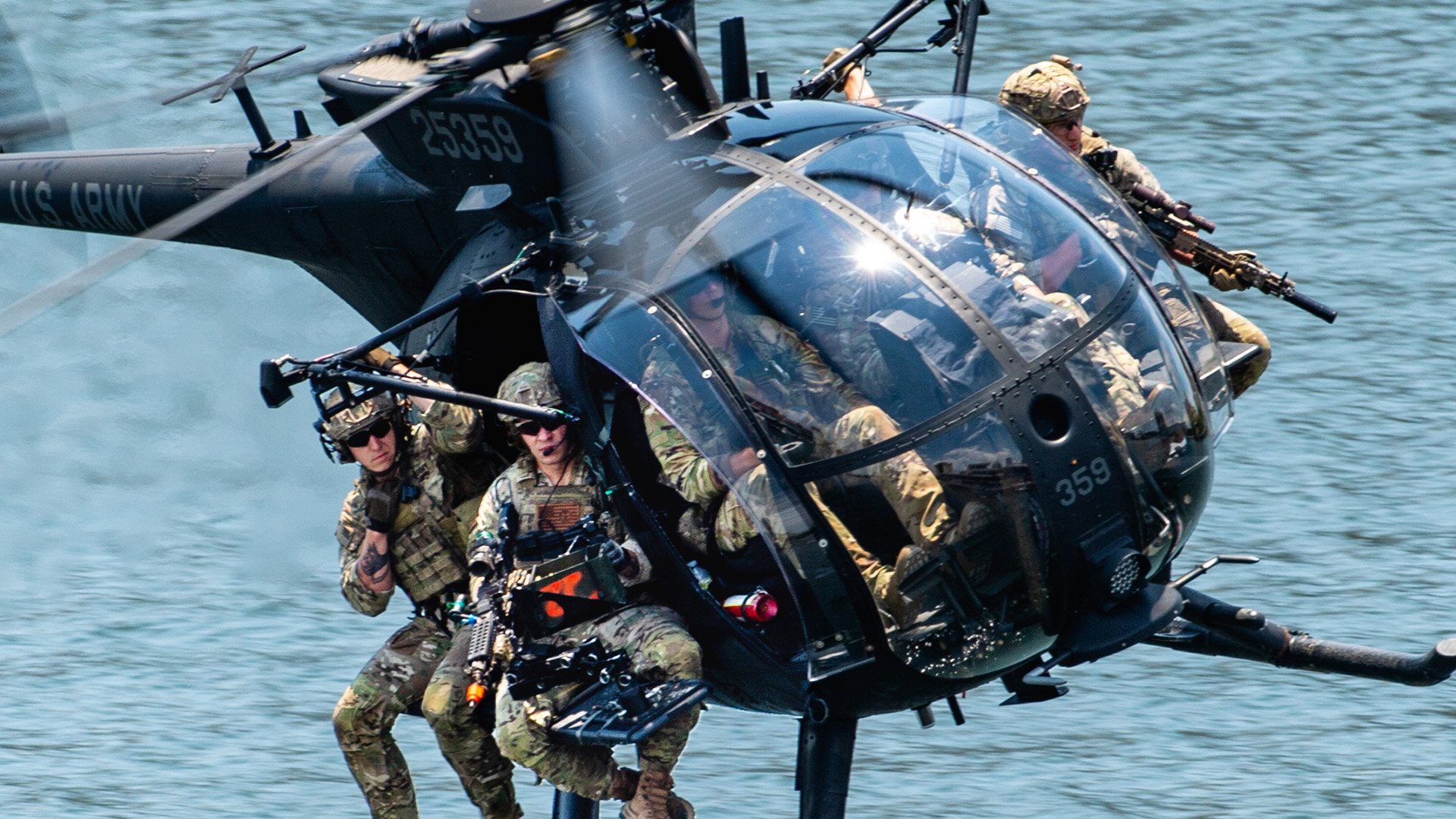
Publicizing the identities of special operations troops could be criminalized under the same laws that protect intelligence agents, according to a proposal included in the House version of the annual defense bill.
Though aimed at military members in units that perform sensitive missions, the proposal could also cover a wide range of military and civilian roles, and allow the Secretary of Defense to apply that secrecy as they see fit.
Gabe Rottman, a lawyer and vice president of policy for Reporters Committee for Freedom of the Press, said the proposal expands the Intelligence Identities Protection Act, or IIPA, which prohibits “intentional” disclosure of information that identifies covert intelligence agents or sources. The NDAA proposal amends those laws to cover “protected defense individuals.”
That definition covers service members in sensitive units and civilians who train special operations forces, some communications crews and others “designated” by the Secretary of Defense.
“This feels really quite broad, and it would clearly on its face cover disclosures that are manifestly in the public interest,” he said. “We’re in a period where there’s heightened public attention to military activities and the use of special forces…. This bill, were it passed, could be used to suppress reporting that is directly relevant to those issues that are part of the public debate.”
The proposal appears in the House version of the fiscal year 2027 National Defense Authorization Act, according to a policy aide from North Carolina Republican Rep. Richard Hudson’s office. Hudson previously introduced a House bill that criminalized doxxing special operators and their families online but the NDAA proposal amends national security laws. A similar Senate bill was also introduced.
“Our special operators take on some of the most dangerous missions in the world to keep us safe. They and their families should never have to worry someone will expose their identities and put a target on their backs,” Hudson said in the release.
The IIPA has previously been used to prosecute intelligence agents who disclosed identities of other agents to journalists. Violating the law can carry 10 to 15 years in prison.
According to the law, the definition of what is considered a “sensitive” unit or mission can be determined by the Pentagon. Rottman said that means the “Secretary of Defense can unilaterally determine what is the criminal activity.”
Rottman said the law would apply to posts on social media or traditional news reporting that identify special operators in this category. He also said that it could apply to special operators who talk to journalists.
“If an actual special operator sees one of his unit mates commit a war crime and wants to talk to a reporter about it, and this is a sensitive unit, then this law could kick in and make that a potential crime,” he said.
Inspired by Maduro capture
The proposals were inspired by a January social media post that identified the commander of Delta Force after the unit led the military raid and capture of Venezuelan President Nicolás Maduro, according to a policy aide from Hudson’s office.
The viral X post originated from Seth Harp, a journalist who frequently covers the special operations community. The post has since been taken down.
The House Oversight Committee voted to subpoena Harp, and the Republican leading the motion alleged that his post endangered national security. Press freedom organizations shot back that the Congressional response violated press freedom and said the information was not classified. Harp noted in an interview that the post included a biography of the commander that was publicly available.
The House and Senate will need to negotiate on a final version of the annual defense bill and include this provision before the chambers vote on the final law.
Loading comments…
Comments couldn’t be loaded. Please refresh the page.