
Since the start of Operation Epic Fury, Iranian drones and missiles have struck a stunning list of U.S. assets, including missile defense radars, logistics hubs, runways, early warning aircraft, command and communications infrastructure, and aerial refueling tankers. Iran has also shot down 45 MQ-9 drones, an F-15E fighter, and an A-10 attack jet, and threatened commercial ships in the Strait of Hormuz for months.
How is this possible? The U.S. and Israel destroyed much of Iran’s conventional air force and high-end missile defenses in the year leading up to the war and in its opening days. And if this is what a fight with Iran looks like, what about a fight with China’s People’s Liberation Army, which is far better equipped?
Turns out, “air superiority” is more complicated than you might think. Many Americans who grew up as the U.S. dominated the skies over Iraq and Afghanistan might think of air superiority as a giant blanket that prevents the enemy from doing anything in the sky.
But the Air Force defines air superiority as “that degree of control of the air by one force that permits the conduct of its operations at a given time and place without prohibitive interference from air and missile threats.”
In other words, the enemy can fight back with aircraft and missiles, but if you can accomplish your mission, then you have achieved a degree of air superiority.
Top Stories This Week
Even in Desert Storm, considered the apogee of American airpower by many experts, U.S. aircraft faced real risk below 12,000 feet. According to the Government Accountability Office, two-thirds of U.S. Air Force aircraft shot down in that war were shot down below that altitude, where Iraqi anti-aircraft artillery could still reach and infrared-guided surface-to-air missiles could lock on without the loud signatures emitted by higher-end radar threats.
Nuance or no, the term “air superiority” does not appear in Air Force Doctrine Publication 1, which lays out the service’s core roles and responsibilities. Instead, the document focuses on airpower, which it defines as “the ability to project military power through control and exploitation in, from and through the air.” Air superiority is ideal, but it’s not the only way to be air-powerful.
However, delivering airpower is more difficult now, because modern technology has made low-level airspace much more dangerous. The proliferation of relatively cheap missiles, one-way attack drones, commercial satellite imagery, and open-source intelligence means it’s much easier to strike the “nests,” the support infrastructure that makes U.S. airpower possible.
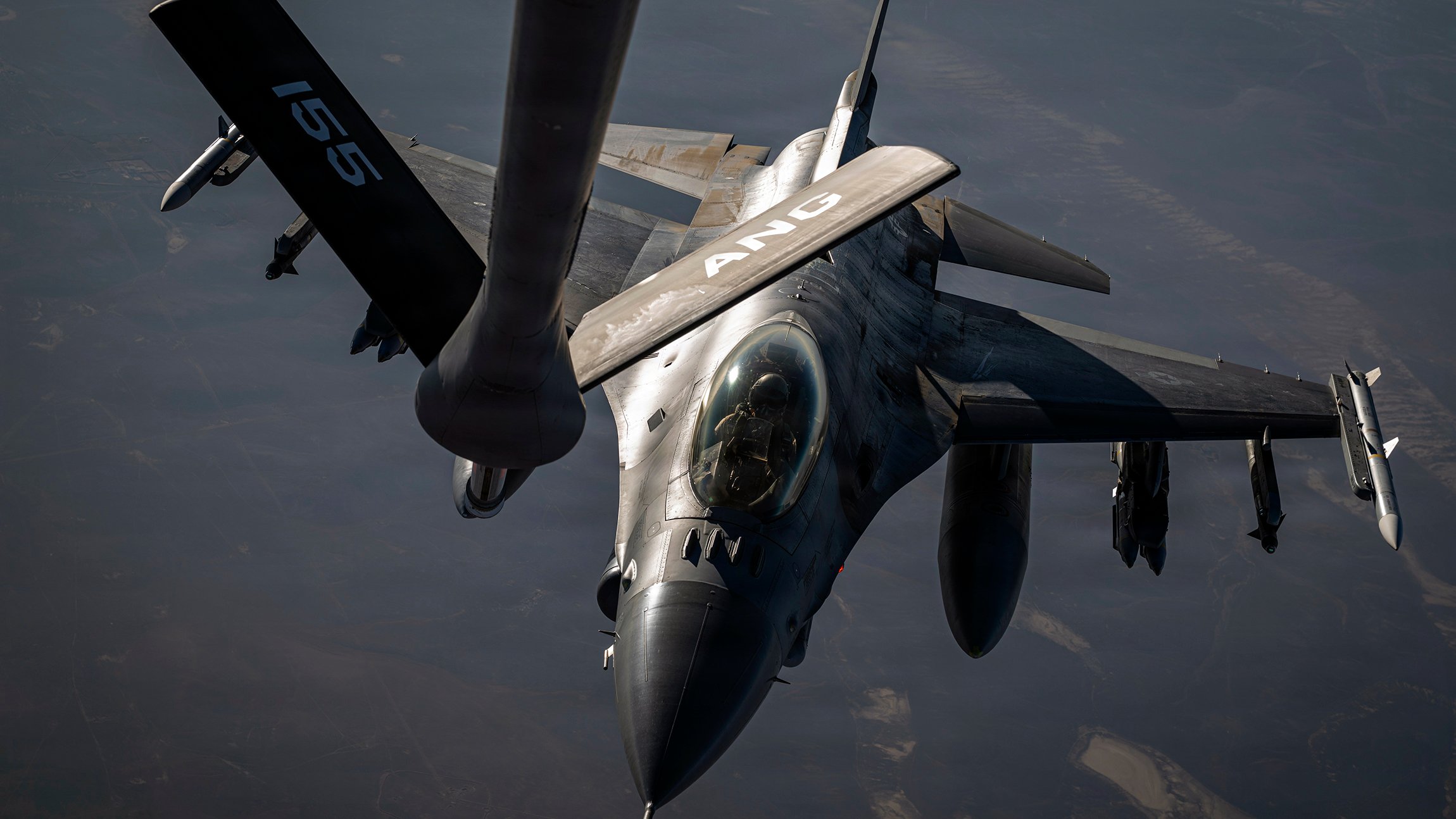
By targeting U.S. nests in Epic Fury, Iran has made it more difficult for U.S. aircraft to protect ships in the Strait of Hormuz, arguably the most critical terrain of the conflict.
Airpower expert Kelly Grieco, a senior fellow at the Stimson Center, says Iran’s strategy is one of “air denial.” The goal is not to gain air superiority but to stop the U.S. from achieving it. Air denial raises the cost for the adversary to move through the airspace so that their objective — securing the Strait of Hormuz — remains out of reach.
The U.S. military hasn’t made things easier for itself. Mark Cancian, a senior advisor at the Center for Strategic & International Studies, notes that the aircraft Iran hit on the ground were nearly perfect targets: parked out in the open, wingtip to wingtip, in the same parking spots they’ve used for decades of conflict across the Middle East.
This would be bad in a fight with China. In war games simulating a Taiwan conflict, Cancian found that 90 percent of U.S. aircraft losses happened on the ground. He believes the Air Force needs to fortify its bases across the Pacific with hardened aircraft shelters and the ability to rapidly repair damaged runways.
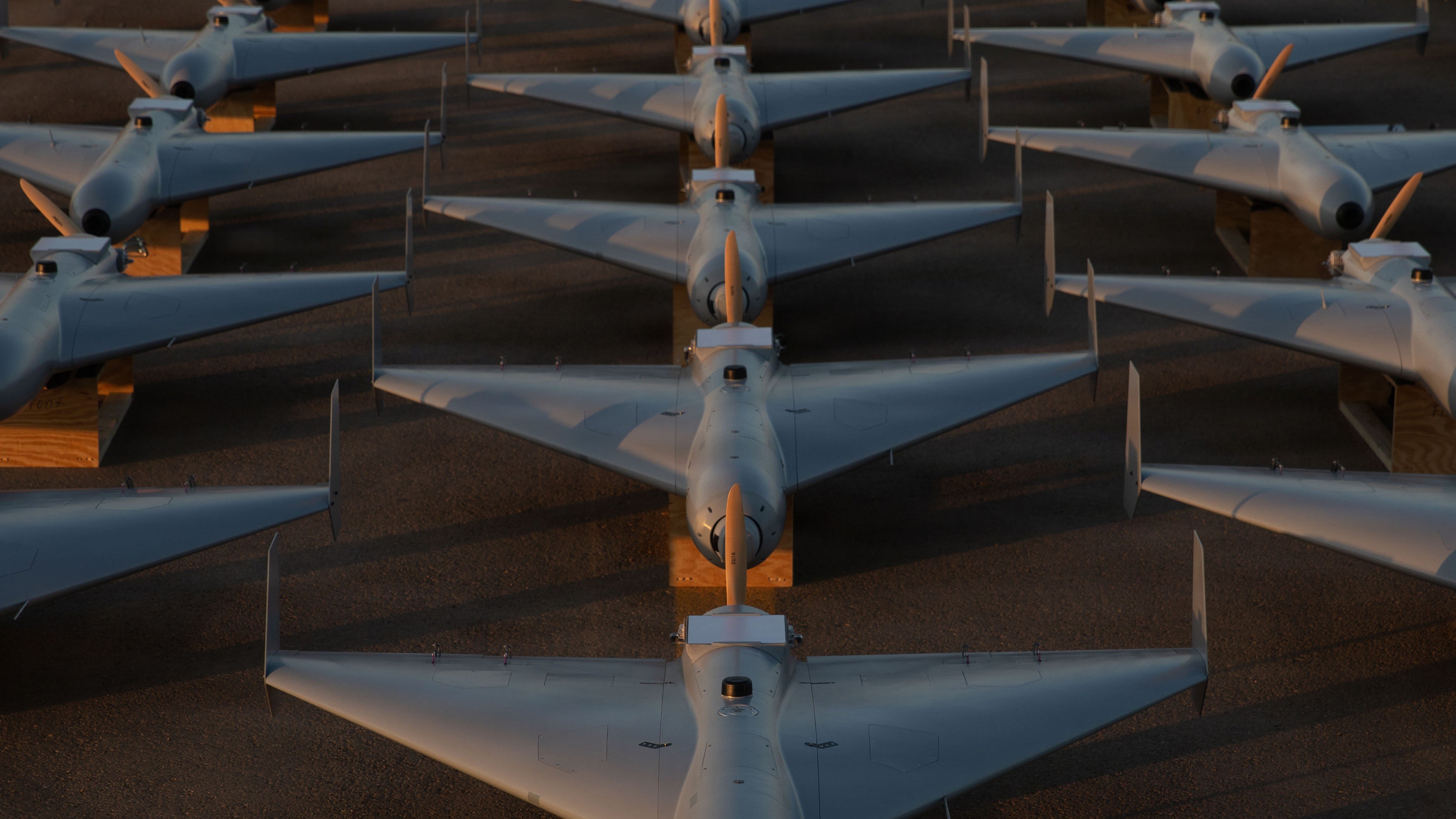
There are many other solutions which together could better prepare the U.S. for the direction air warfare is heading. To defend against cheap, swarming drone threats, the U.S. is developing laser-guided rockets, signal jammers, high-powered microwaves, proximity-fused cannon rounds, and drone interceptors, which can be made and distributed more affordably than high missiles such as the Patriot and THAAD.
But Grieco says the U.S. ultimately needs a force that can fight without runways or expensive, irreplaceable platforms. She and her colleagues at the Stimson Center called for creating an “inside air force,” which could operate inside the range of enemy missiles and achieve the same kind of air denial against future adversaries that Iran has achieved against the U.S.
The “inside air force” would not replace the high-end, runway-dependent platforms that make up the bulk of the U.S. fleet today. But it would require trade-offs, a clear vision of U.S. security goals, and a commitment to achieving them. For more on what the Iran war means for the changing nature of air warfare, check out our YouTube video here.
Loading comments…
Comments couldn’t be loaded. Please refresh the page.