
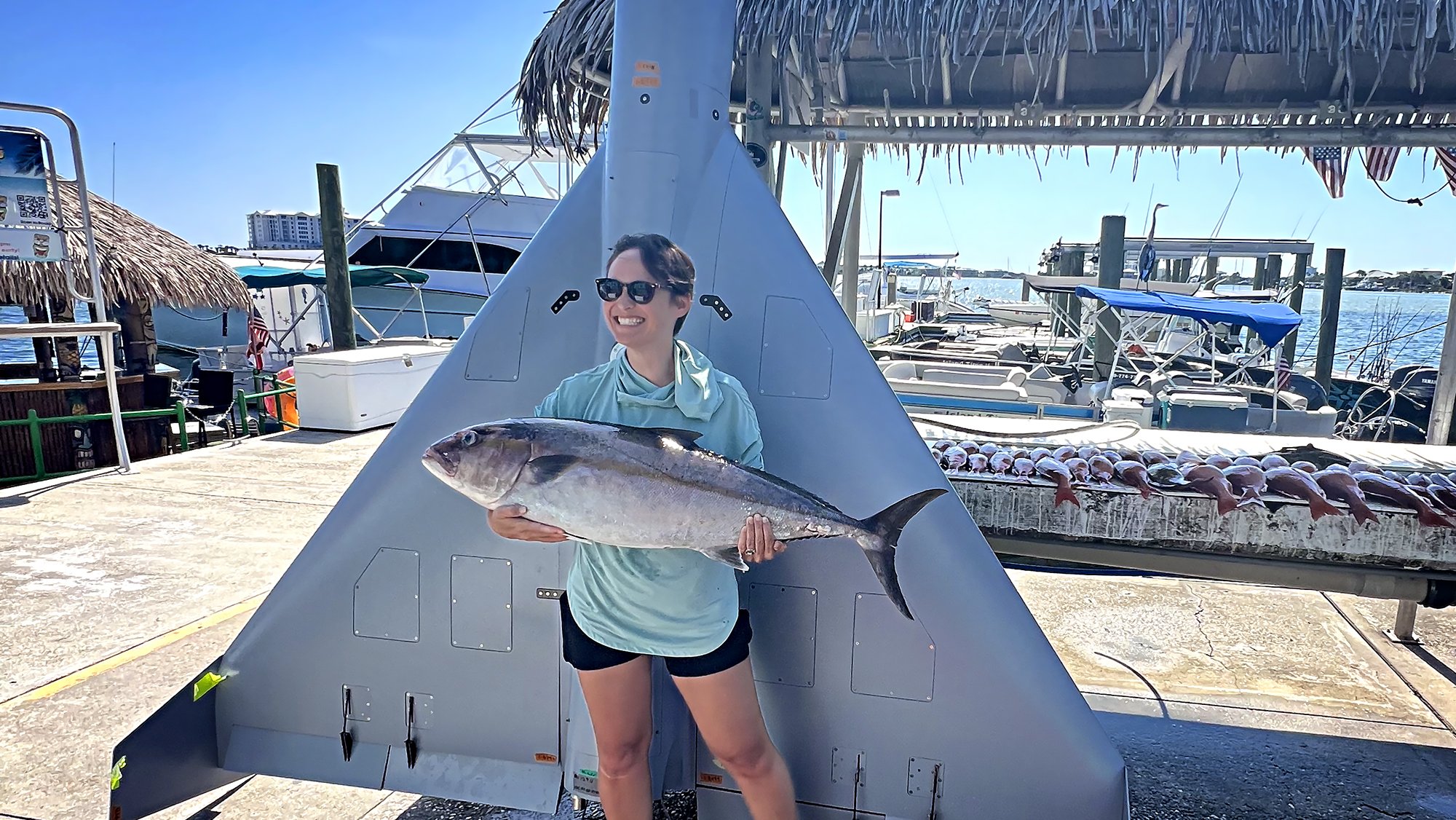
An ocean fishing charter off the Florida Coast near Eglin Air Force Base had an unusually large, scaleless catch. The large gray behemoth in question was a U.S. military LUCAS drone, a one-way attack aircraft derived from a design modeled after Iran’s Shahed-136.
Base officials confirmed to Task & Purpose that the drone went down Sept. 17 during routine testing on the base’s range, two days before fishermen found it floating in the Gulf.
“On Thursday, Sept. 17, a LUCAS UAS impacted the water during routine scheduled testing on the Eglin AFB Range,” an Eglin spokesperson told Task & Purpose. “The aircraft has been recovered and is back in the Department’s possession.”
The War Zone first reported the drone’s recovery and that Eglin had acknowledged losing an unidentified test aircraft.
The fishermen who found the wayward drone, Hotspot Charters, were nearing the end of a day of fishing when they spotted debris in the water, including a cooler, pool floats and other beach trash. While cleaning up the refuse, they noticed what looked like an overturned skiff.
Top Stories This Week
They immediately worried that a boat had capsized and moved closer to check. Instead, they found what appeared to be a military practice drone.
Daniel Arsenault, the charter boat captain, told Task & Purpose that the four customers aboard were military search-and-rescue helicopter pilots. Arsenault said their first instinct was to check for anyone who might need help.
The charter captain said they radioed the Coast Guard from about 20 miles southeast of Pensacola Pass but were told the service was already occupied with an active search. That’s when they decided to bring the drone back with them.
Of course, that wasn’t the first thing they did.
Arsenault said they cast around the waterlogged drone, which had attracted smaller fish seeking cover in the open water, and caught mahi-mahi and tripletail before hauling it aboard.
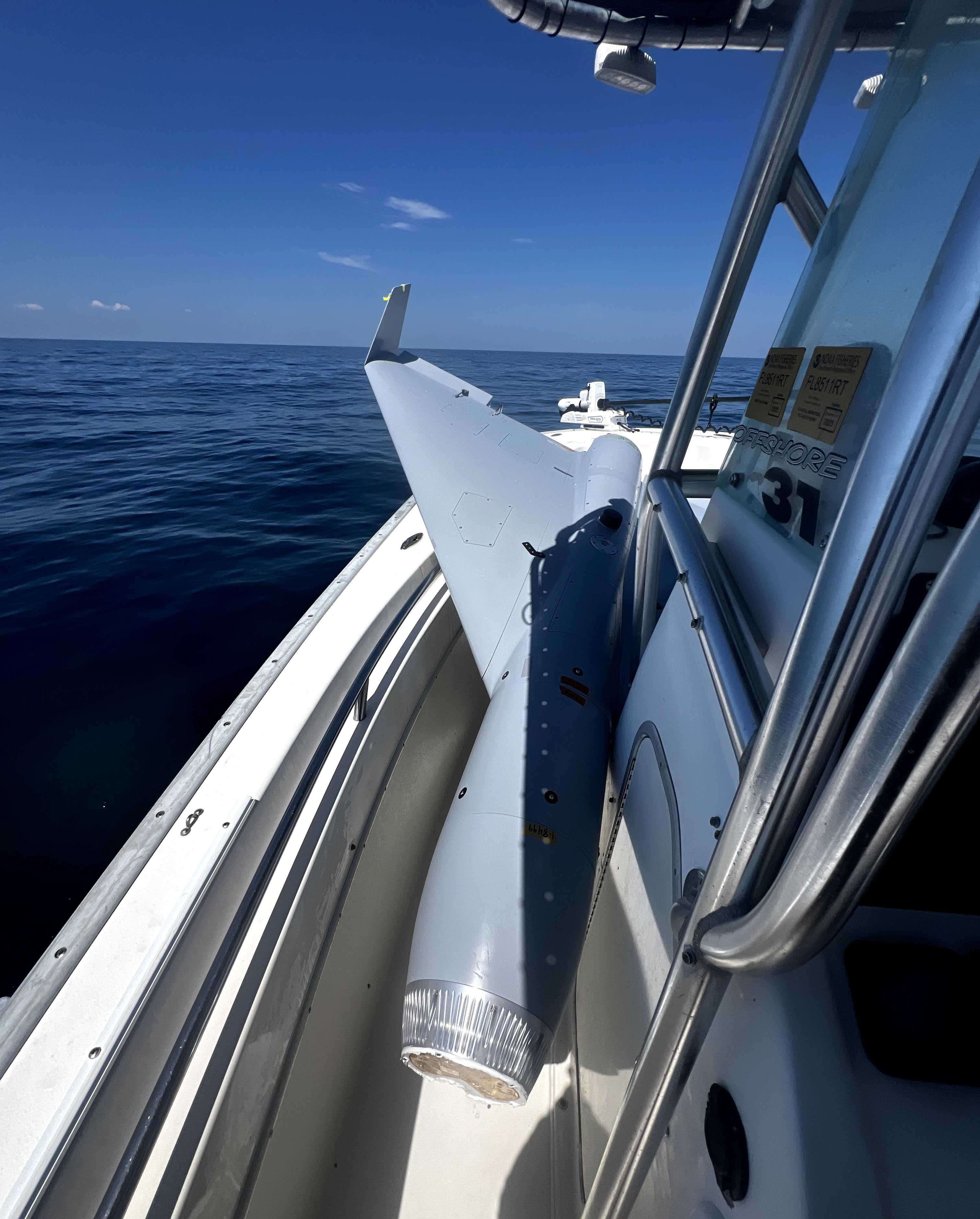
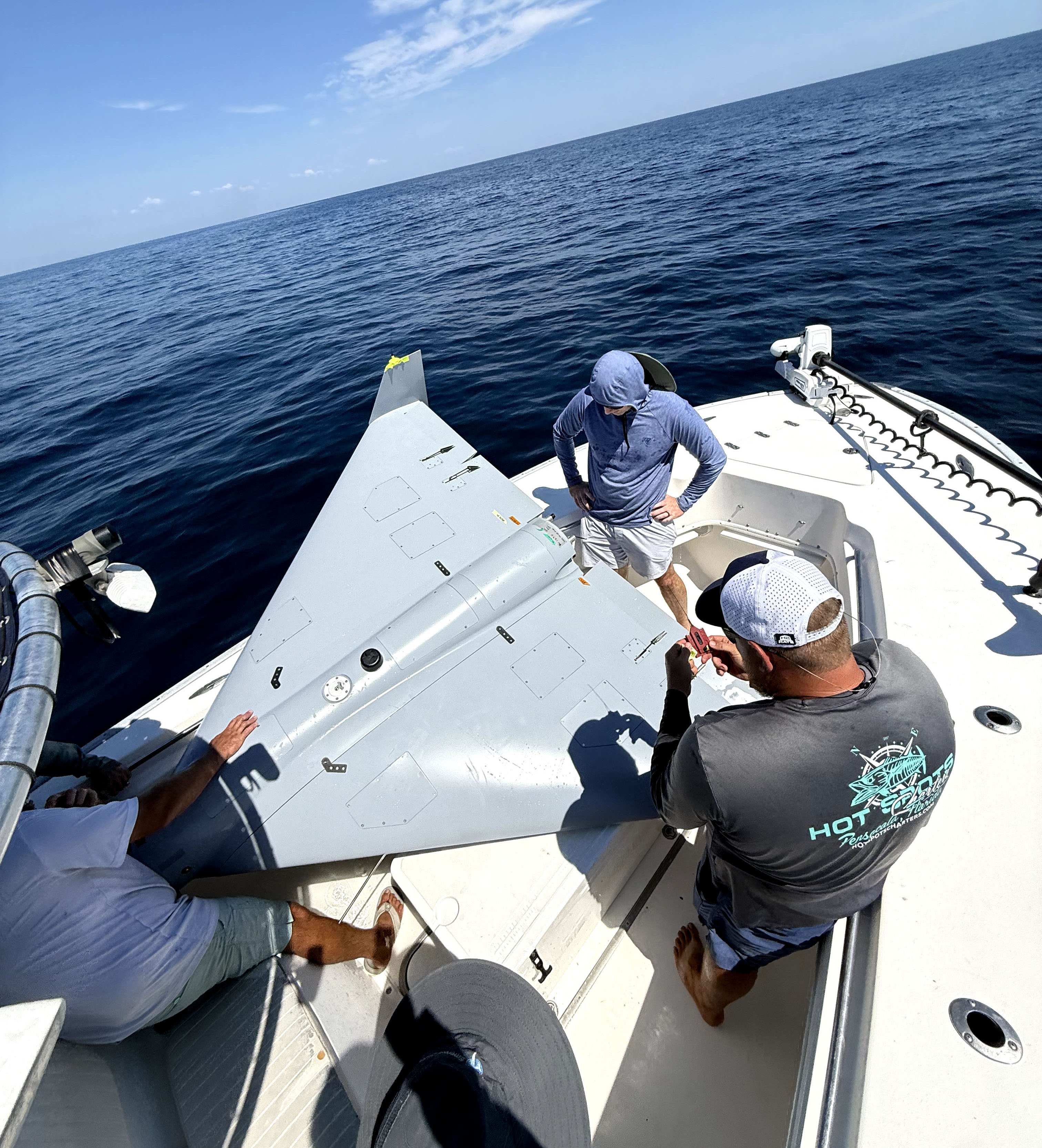
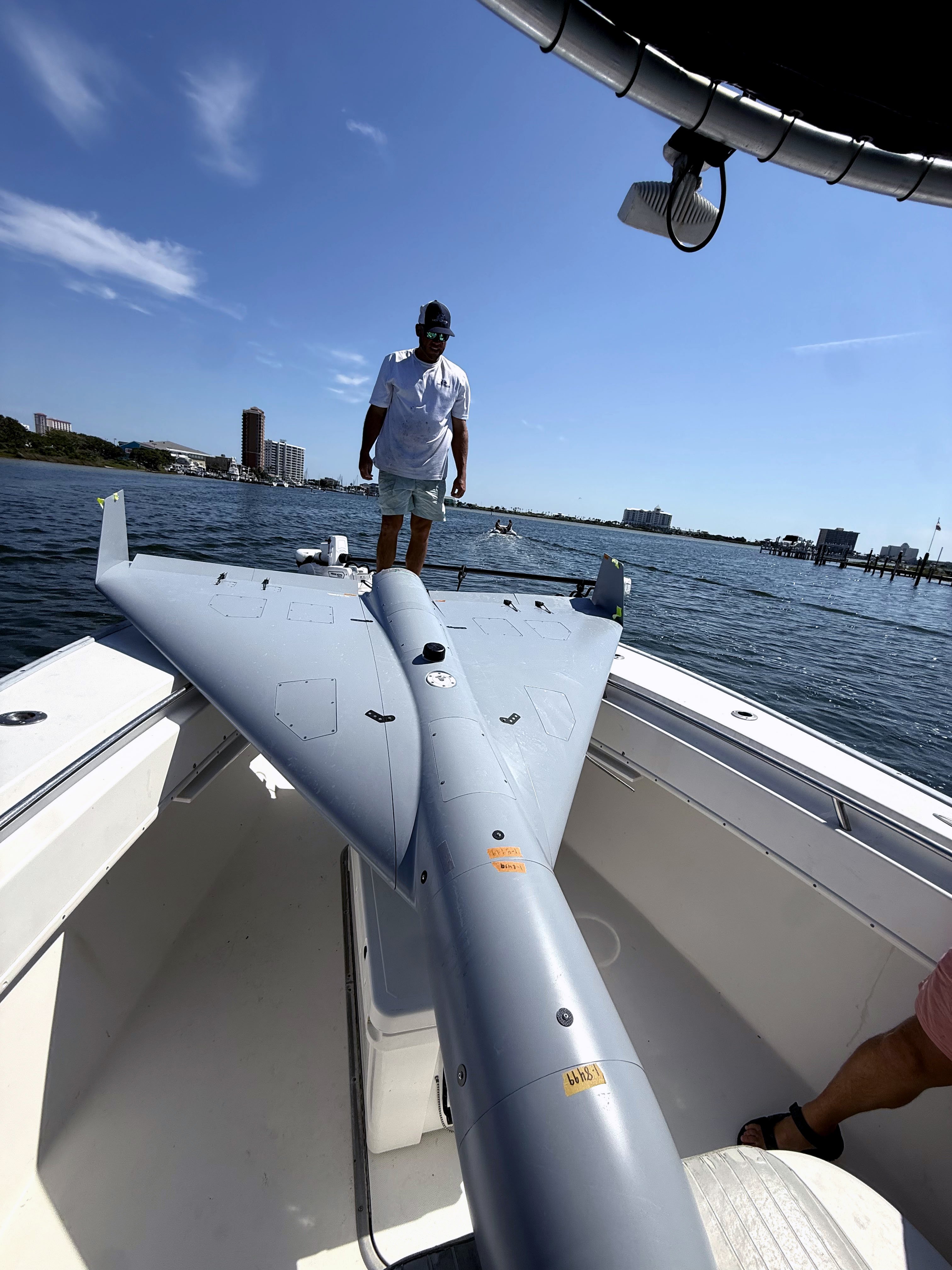
The roughly 10-foot-long drone was partially submerged and filled with water, Arsenault said. Six men aboard the charter held it alongside the boat until the water drained before wrestling it aboard.
Arsenault said the military members aboard opened accessible panels looking for a phone number or other identifying information but found no markings indicating which service owned it. Once they returned to shore, the local sheriff’s department took possession of it. Later that day, Arsenault said someone from the military called him and asked for “their drone back.”
The LUCAS drone’s evolution from training surrogate to combat weapon is a recent development. U.S. Central Command used the one-way attack drones during Operation Epic Fury after previously establishing Task Force Scorpion Strike, the military’s first dedicated one-way attack drone unit, under U.S. Special Operations Command Central.
Arsenault said the drone was recovered roughly five miles from an area he knew to be used for military testing. He said finding military testing debris in the area was not itself unusual.
“They do tests out there all the time on different types of unmanned vehicles,” Arsenault said. “It’s not uncommon to find stuff floating. It was just uncommon to find it in such an intact state.”
Arsenault ranked the drone among the five most unusual things he’s recovered from the Gulf.
“That’s the great thing about fishing,” he said. “You never know what you’re gonna catch.”
Loading comments…
Comments couldn’t be loaded. Please refresh the page.