
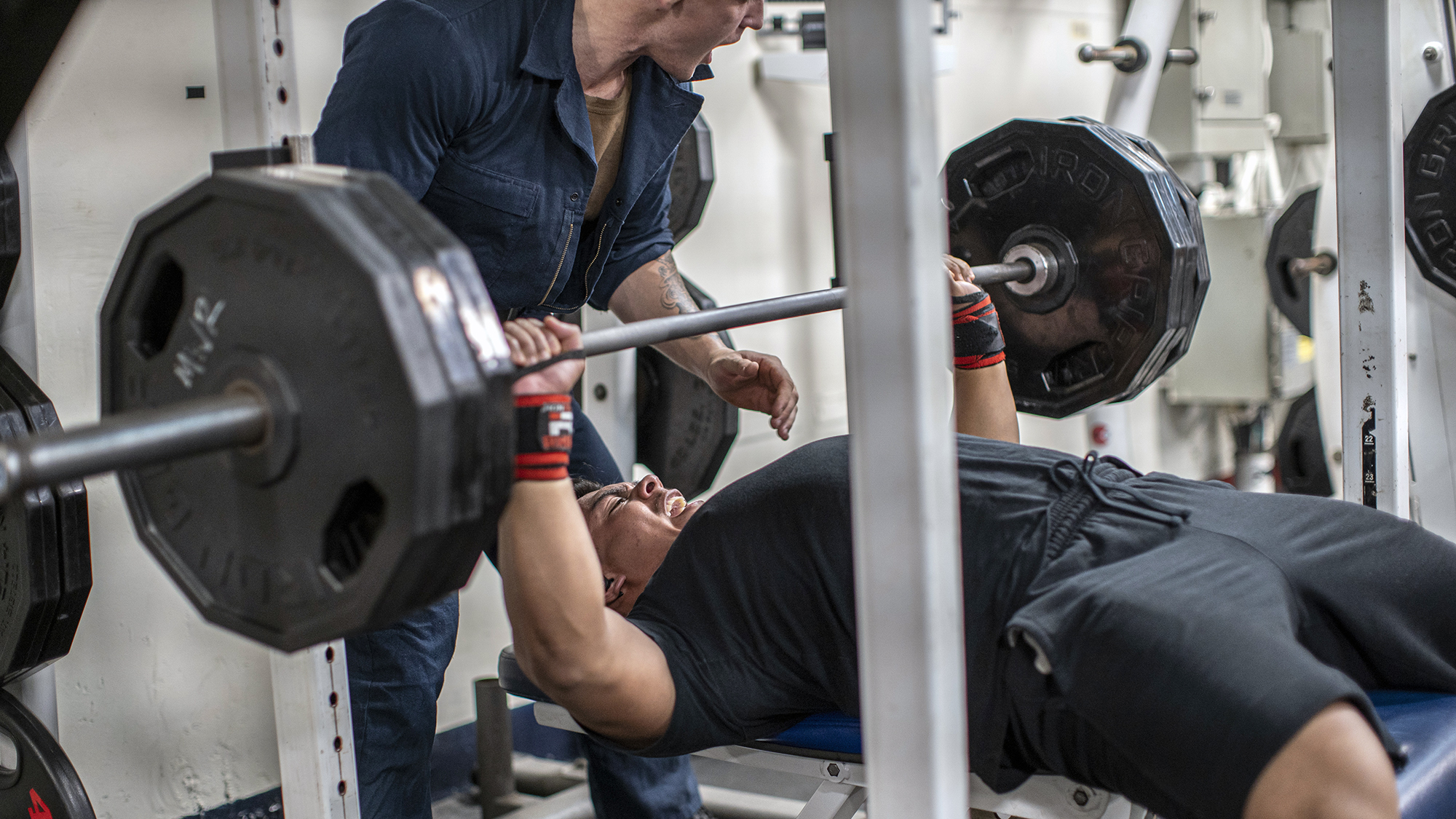
Defense Secretary Pete Hegseth announced a new program to screen troops 30 years and older for testosterone deficiency.
The new screening will be conducted annually as part of service members’ periodic health assessments, Hegseth said in a video posted on social media on Wednesday. Troops under 30 can voluntarily undergo the screening as well, he said.
The program is meant to ensure troops “have the right testosterone levels to operate at your absolute best,” Hegseth said in the video, adding that testosterone can drop with age.
“If treatment is recommended, it’s entirely your choice to receive testosterone replacement therapy,” Hegseth said. “This initiative: It’s not about artificial enhancement. It’s about restoring and optimizing your natural capabilities, protecting your longevity, and ensuring you have the biological foundation required to sustain the fight.”
Studies have found overall declines in adolescent and young men’s testosterone levels since the 1990s.
Top Stories This Week
Testosterone levels naturally decrease as men age, which can lead to symptoms like sexual dysfunction, depression and sleep problems. Research has also indicated a strong connection between stress and low testosterone levels, including in younger men. The Department of Veterans Affairs has its own clinical protocols for evaluating and managing low testosterone in patients, including the use of testosterone replacement therapy.
The issue got the attention of lawmakers in 2024 when a measure was included in the fiscal year 2025 national defense bill that asked the Secretary of Defense to brief members of Congress on the military’s available treatments for low testosterone and current protocols for testing and screening. Special operations veterans and experts who work in high-risk military professions told Task & Purpose that it was an issue worth more investment and research.
A number of special operations veterans have established nonprofits and non-traditional treatment plans to help former service members who deal with a litany of physical and mental health issues linked to low testosterone levels, like sleep disruptions, emotional numbing and loss of motivation. The term “Operator Syndrome” was even coined to describe the host of similar health issues that special operators deal with as a result of low testosterone.
“As we know, the modern battlefield is brutal and unrelenting,” Hegseth said. “It requires and demands maximum psychological and mental readiness, and by addressing these health markers early, we’re keeping you on the leading edge of lethality and giving you the same level of support that you give this nation-the absolute best.”
Loading comments…
Comments couldn’t be loaded. Please refresh the page.