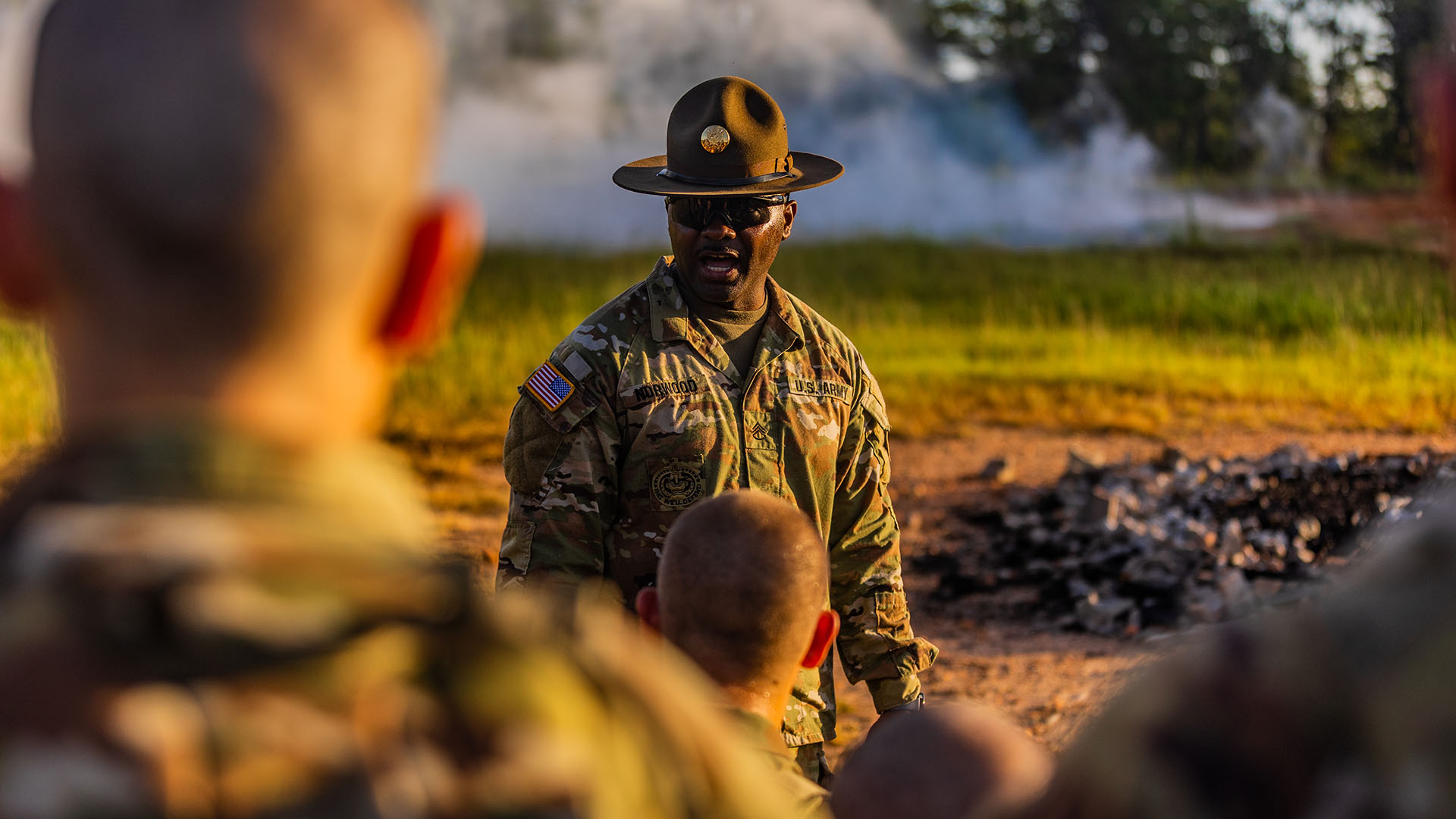
Basic training, which often involves getting yelled at and having your head shaved, is typically not a fun experience for military recruits. But now getting there is less of a hassle.
The Defense Department is teaming up with the Transportation Security Administration, or TSA, to allow recruits headed to basic training who don’t have a REAL ID to get through airport security without having to pay a fee, a Pentagon official said.
Under the new process, which began on Feb. 1, recruits from all military branches are not required to have a REAL ID while enroute to basic training, and they will receive “white glove” treatment from the TSA at security checkpoints, similar to Honor Flights for veterans visiting memorial sites, the Pentagon official said.
(“White glove treatment” refers to expedited security screening, and it should not be confused with a “white glove inspection” in the Marine Corps, which involves having some sergeant or above inspect your room looking for any and all conceivable infractions so they can chew you out over them.)
Top Stories This Week
“These young men and women have volunteered to serve our nation,” Undersecretary of Defense for Personnel and Readiness Anthony Tata said in a statement. “When they are shipping out to basic training, we want them focused on the fight, not worried about what type of ID they have or whether they will need to pay a fee to make it there. It is our duty to take care of these brave young men and women from the moment they sign up to protect all of us.”
Since Feb. 1, airline passengers without a REAL ID or other forms of acceptable identification, such as a passport, have been required to pay a $45 fee to use an alternative identity verification system before being allowed to fly.
Although Congress passed the REAL ID Act in 2005, it’s only been since May that the TSA started requiring airline passengers to have identification compliant with the law. That means recruits may not have been able to complete the process to get a REAL ID yet, the Pentagon official said.
In light of the situation, the Defense Department reached out to the TSA to find a way to help recruits traveling to basic training on orders, the Pentagon official said. Since its implementation, recruits from across the country have used the new screening process.
“TSA is honored to be a part of the journeys young men and women take to reach initial military training and begin their service in America’s armed forces,” Michael Turner, TSA’s Acting Assistant Administrator for Domestic Aviation Operations, said in a statement.
Turner added that roughly 20% of TSA employees are veterans and that he served in the Marine Corps for 10 years.
“We are committed to ensuring recruits can stay focused on what lies at the end of their travels, serving America, instead of worrying about how they’ll get there,” Turner said.