
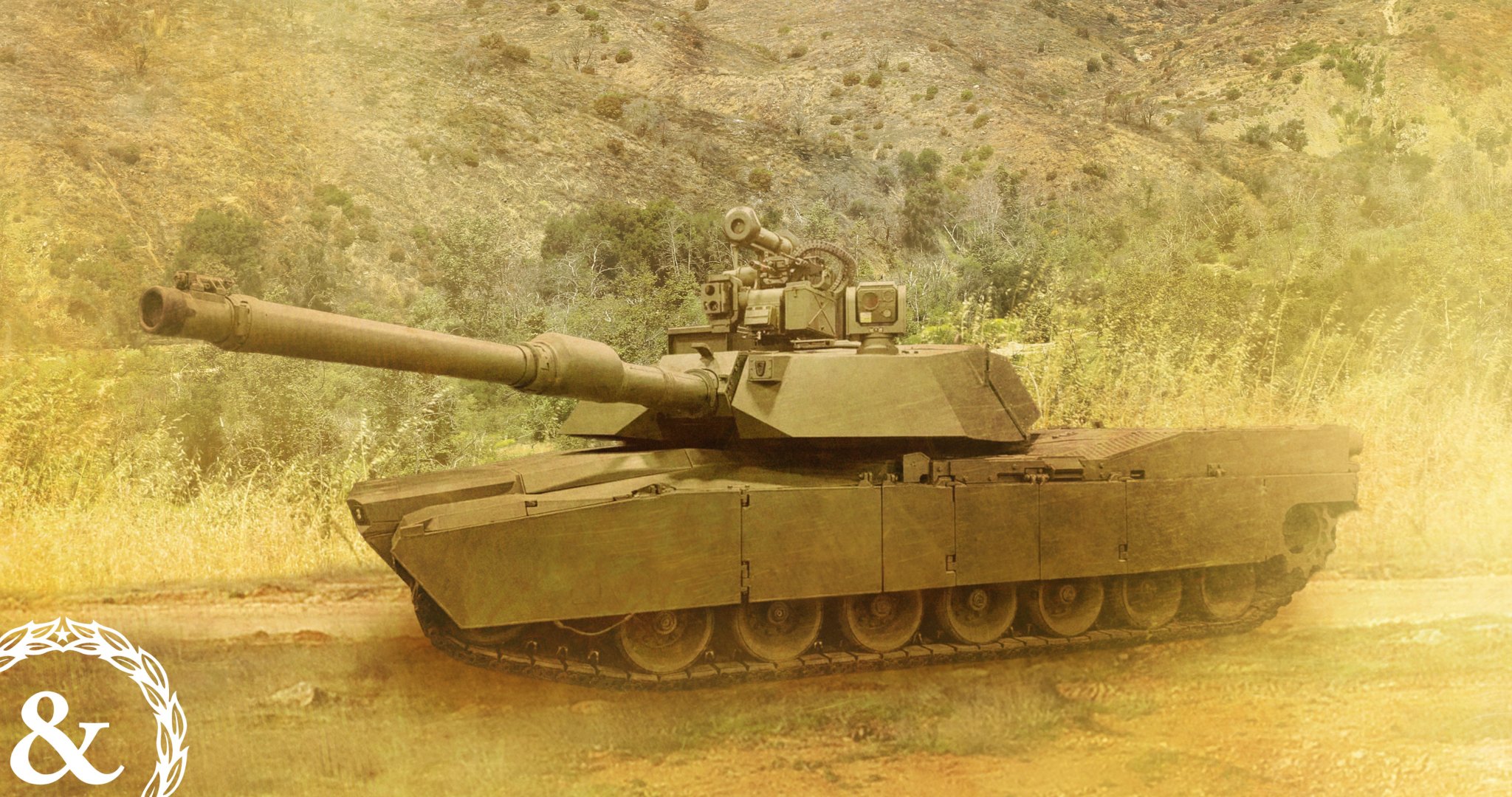
Soldiers in the 1st Cavalry Division will soon get their hands on the latest versions of the Army’s Abrams tank and the first prototypes of the infantry combat vehicle.
Soldiers with the division’s 1st Armored Brigade Combat Team at Fort Hood, Texas, will begin training with prototypes of the new XM30 Mechanized Infantry Combat Vehicle and M1E3 Abrams tank this fall. After a few months of familiarization training, soldiers will put the two new vehicles through their paces, according to the division commander, with a rotation at the National Training Center at Fort Irwin, California, in Spring 2027.
The new models of the Abrams tank and infantry combat vehicle are “not incremental improvements,” but “a major shift forward in terms of technology,” Maj. Gen. Thomas Feltey, head of the 1st Cavalry Division, told a group of reporters Thursday.
The XM30 Mechanized Infantry Combat Vehicle program, which will essentially replace the M2 Bradley, has been the infantry’s method of transport and fire support for soldiers on foot since 1981.
The new M1E3 tank, which will keep the Abrams name, will have “enhanced mobility,” Feltey said, since it weighs 10 tons less and has a hybrid electric-diesel engine that is 50% more fuel efficient than older systems. He also suggested that soldiers would be better protected by new digital systems that let them see farther on the battlefield. The tanks reportedly include an onboard artificial intelligence system to help crews detect threats and identify targets.
Top Stories This Week
“As we fight through this very contested environment, just being able to shoot things that we can see is not enough,” he said. “We’ve got to be able to detect beyond line of sight.”
Both of the new vehicles are also designed to work alongside emerging technologies that require a whole lot more power, since they can “charge all sorts of systems,” Feltey said. Finding reliable power sources is a bigger deal in modern warfare, given the energy drain of equipment, like drones.
The 1st Armored Brigade Combat Team is made up of around 3,400 soldiers. One platoon will test the M1E3 and two platoons will test the two different versions of the XM30.
The 1st Cavalry Division’s 1st and 2nd Armored Brigade Combat Teams are part of the Army’s Transform in Contact initiative. Under the effort, Army leaders select specific units, like infantry and armor, to test the latest technology within their formations. After running through the unit’s training cycles and larger training center rotations with the new tech, participants give feedback so senior leaders in the Army can make changes across the force. In the case of the new Abrams and the infantry fighting vehicle, soldiers with the 1st Cavalry Division will be the first to offer feedback.
Tanks in ‘no man’s land’
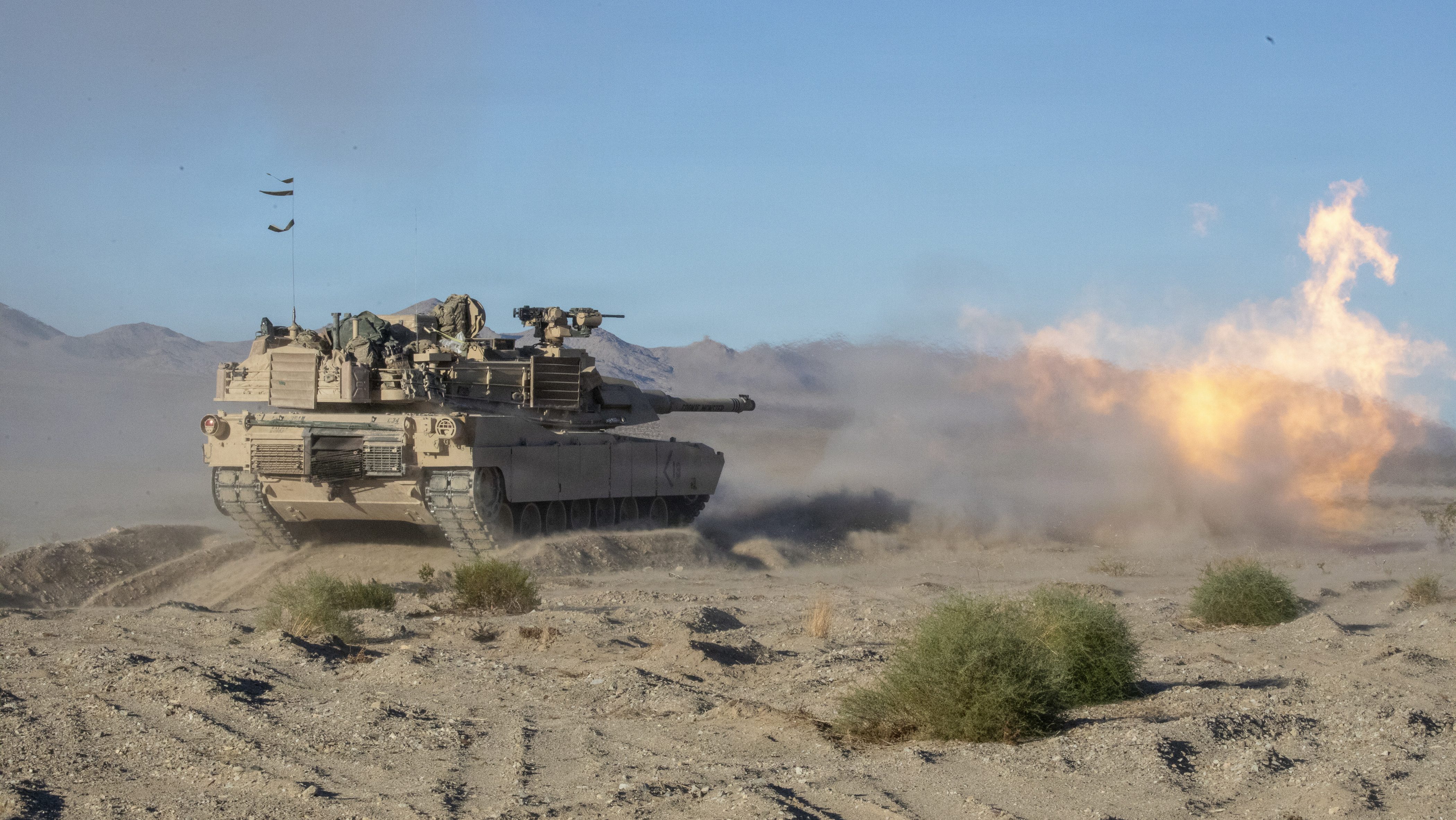
Feltey said the 1st Cavalry Division is also redesigning formations and strategies to take into account recent battlefield lessons. He cited the Russia-Ukraine war, which has seen a return of a “no man’s land” — a stretch of ground separating the front lines of opposing forces. Unlike the deadly, narrow expanses between World War I trenches, the 21st-century version can be up to 15-miles wide. Due to modern visual and detection technologies like drones, crossing this stretch has become a near-death sentence.
“It’s not just a no-tank land. It’s like a no-anything land. Tanks are vulnerable, but so are infantry. I mean, there’s been over a million infantry casualties in the last four years and nobody’s saying the infantry are obsolete just yet,” Feltey said. “The problem we’re trying to solve is, how do we restore mobility to the armored brigade combat teams. How do we stay on the offense? How do we keep our tempo at a fast pace so that we don’t give the enemy a chance?”
Loading comments…
Comments couldn’t be loaded. Please refresh the page.