
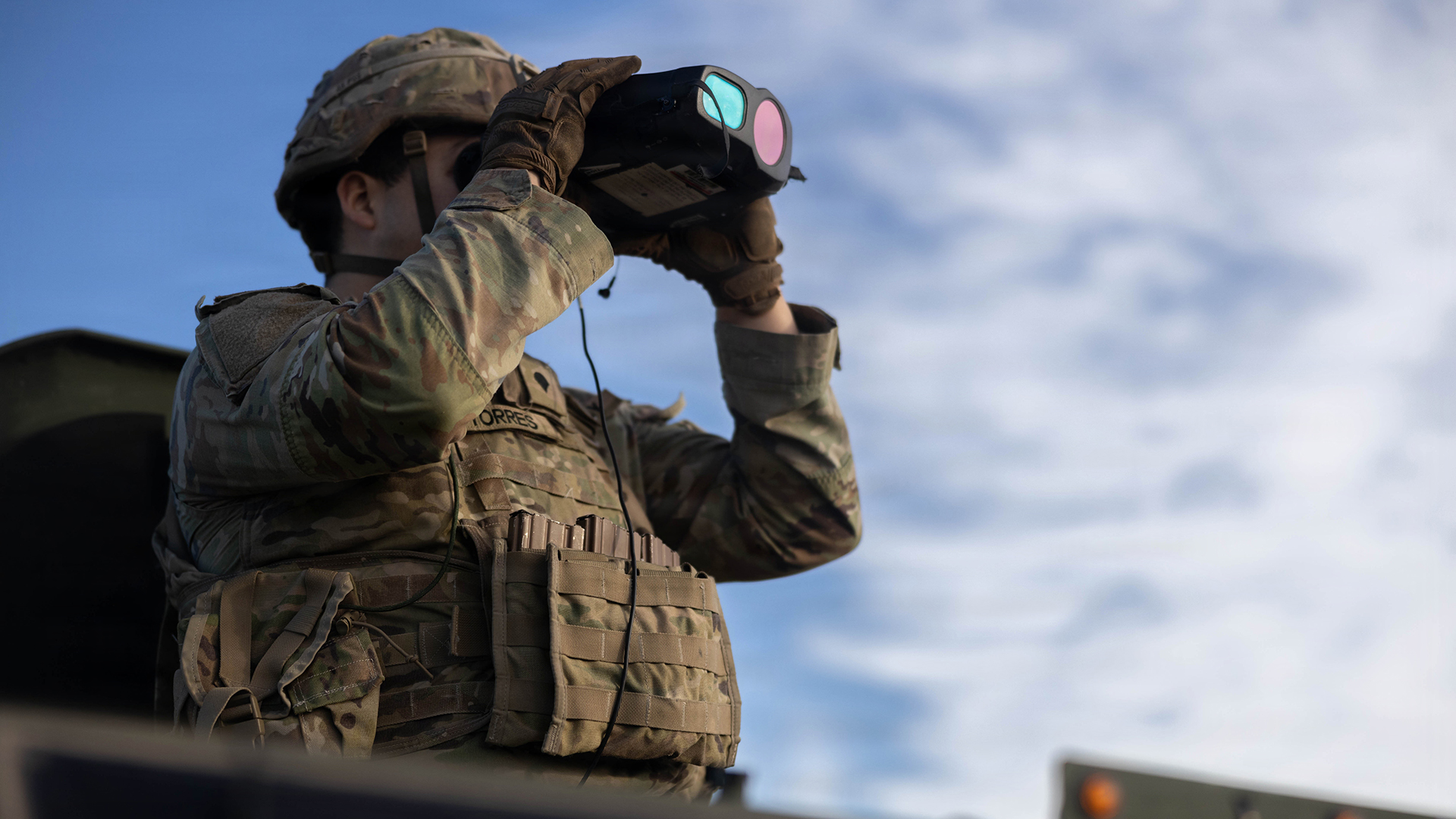
All eyes may be on Iran and the Strait of Hormuz, but the ongoing mission at the U.S.-Mexico border continues as soldiers from the 101st Airborne and 1st Armored divisions will soon deploy to the region as part of the latest rotation of troops.
The move comes after the 101st’s headquarters and artillery elements were deployed to the border in the fall.
On Tuesday, the Army announced that four units would be part of this summer’s deployments to the southern border. About 8,700 U.S. troops on active-duty orders are currently serving in the region in support of Joint Task Force-Southern Border, according to U.S. Northern Command, or NORTHCOM.
Top Stories This Week
The upcoming deployments will include:
- The 1st Mobile Brigade, 101st Airborne Division, will replace the 2nd Brigade, 1st Armored Division.
- The Combat Aviation Brigade, 1st Armored Division will replace the 1st Air Cavalry Brigade, 1st Cavalry Division.
- Headquarters, 1st Armored Division, will replace the 101st Airborne Division Headquarters.
- The Division Sustainment Brigade, 1st Armored Division, will replace the Division Sustainment Brigade, 10th Mountain Division.
The total number of soldiers taking part in these deployments was not included in the Army’s announcement on Tuesday.
Border troops have faced substandard conditions
Since President Donald Trump declared a national emergency on the southern border on Jan. 20, 2025, the U.S. military has announced several troop rotations to the region; established several national defense areas, in which U.S. troops can temporarily detain trespassers until they can be handed off to federal law enforcement officers; fielded , the Integrated Visual Augmentation System, or IVAS, and other new technologies to troops on the border; and deployed troops in Stryker armored vehicles to conduct patrols and transport transport U.S. Customs and Border Protection agents.
The Department of Defense Inspector General’s office issued a report in December that found troops deployed to the border had faced substandard living conditions over the summer. At one installation in New Mexico, officials observed “ “leaking raw sewage, non-functional toilets, and general disrepair of facilities.”
In his response to the report, NORTHCOM’s Inspector General wrote that U.S. troops have not been housed at the installation since November.
More than a year after the U.S. military’s latest mission to the southern border began, drug cartels designated as foreign terrorist organizations “are adapting to the increased security presence and could choose to threaten our deployed forces,” Air Force Gen. Gregory M. Guillot, head of NORTHCOM, warned Congress in March.
In a written statement to the Senate Armed Services Committee, Guillot noted increasing fighting among drug cartels over control of territory and trafficking routes.
“While these cartels likely seek to avoid direct engagement with U.S. military forces, they have increased their harassment of U.S. personnel along the southern border over the last year,” Guillot wrote. “As U.S. military and law enforcement operations increase the strain on these organizations, their leaders may grow more willing to engage U.S. forces.”
Loading comments…
Comments couldn’t be loaded. Please refresh the page.