
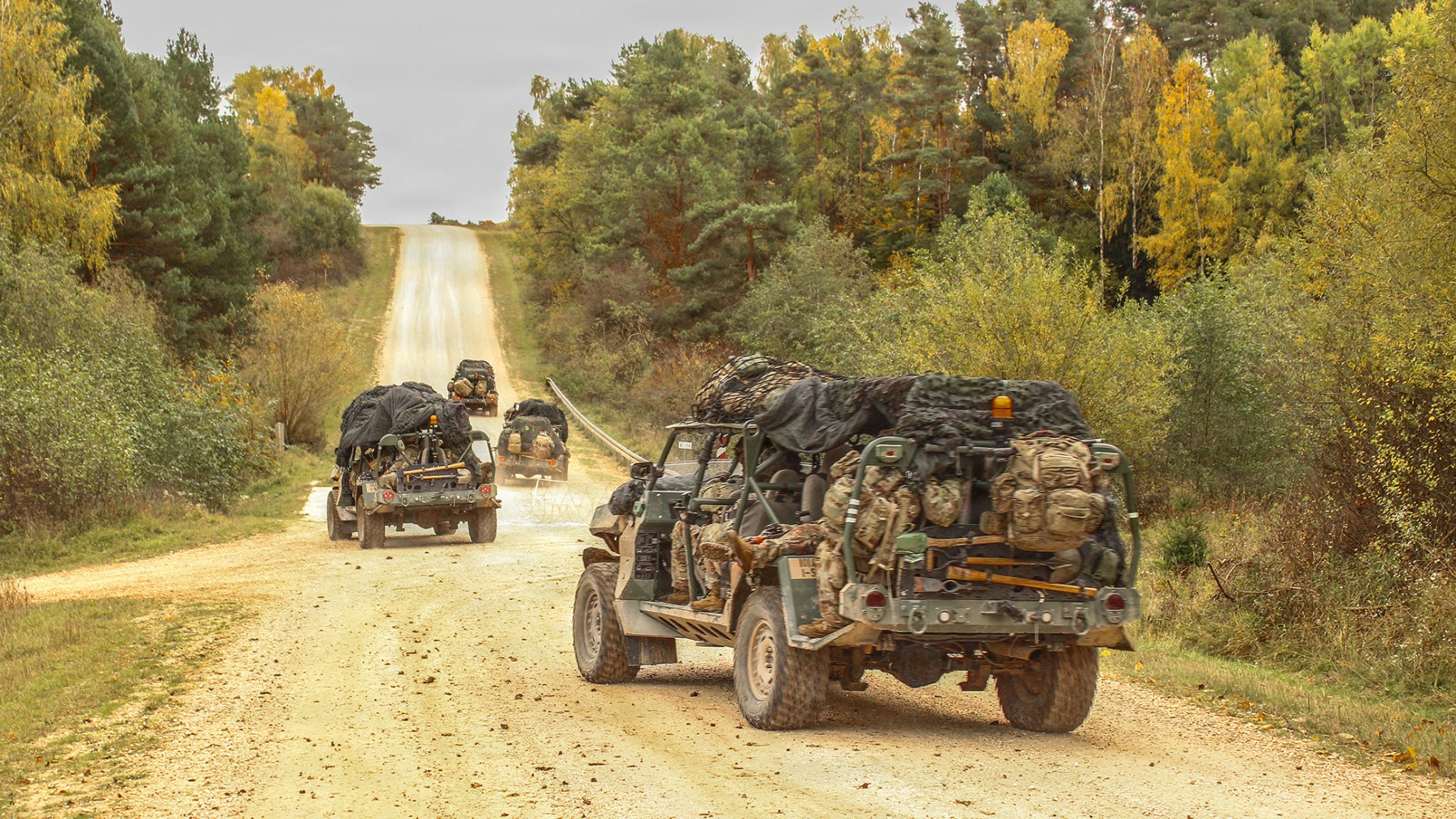
Soldiers with the 2nd Infantry Brigade Combat Team, 101st Airborne Division, will not be replaced when they return home, possibly marking the ebb of the U.S. military’s rush to shore up NATO’s eastern flank that began just prior to Russia’s invasion of Ukraine in February 2022.
About 700 soldiers with the unit have been deployed to Germany, Romania, and Poland, according to the New York Times.
Despite the move, officials with U.S. Army Europe and Africa said “This is not an American withdrawal from Europe or a signal of lessened commitment to NATO and Article 5. Rather, this is a positive sign of increased European capability and responsibility.”
The U.S. military still has a “robust presence” in Europe and remains able to carry out President Donald Trump’s commitment to defend NATO allies, the statement says.
Top Stories This Week
However, the drawdown of U.S. forces in Europe comes as the Pentagon has shifted its focus to its border protection and counter-narcotics missions closer to home.
In a sign of the U.S. military’s current priorities, the Army announced in September that other soldiers with the 101st Airborne Division would deploy to the U.S.-Mexico border as part of the Defense Department’s ongoing effort to help U.S. Border and Customs Protection agents.
Defense Secretary Pete Hegseth has also cast the ongoing U.S. military strikes against boats suspected of carrying drugs in the Caribbean as a battle against “narcoterrorists.”
“A foreign terrorist organization poisoning your people with drugs coming from a drug cartel is no different than al-Qaida — and they’ll be treated as such, as they were in international waters,” Hegesth told reporters last month when we visited Fort Benning in Georgia.
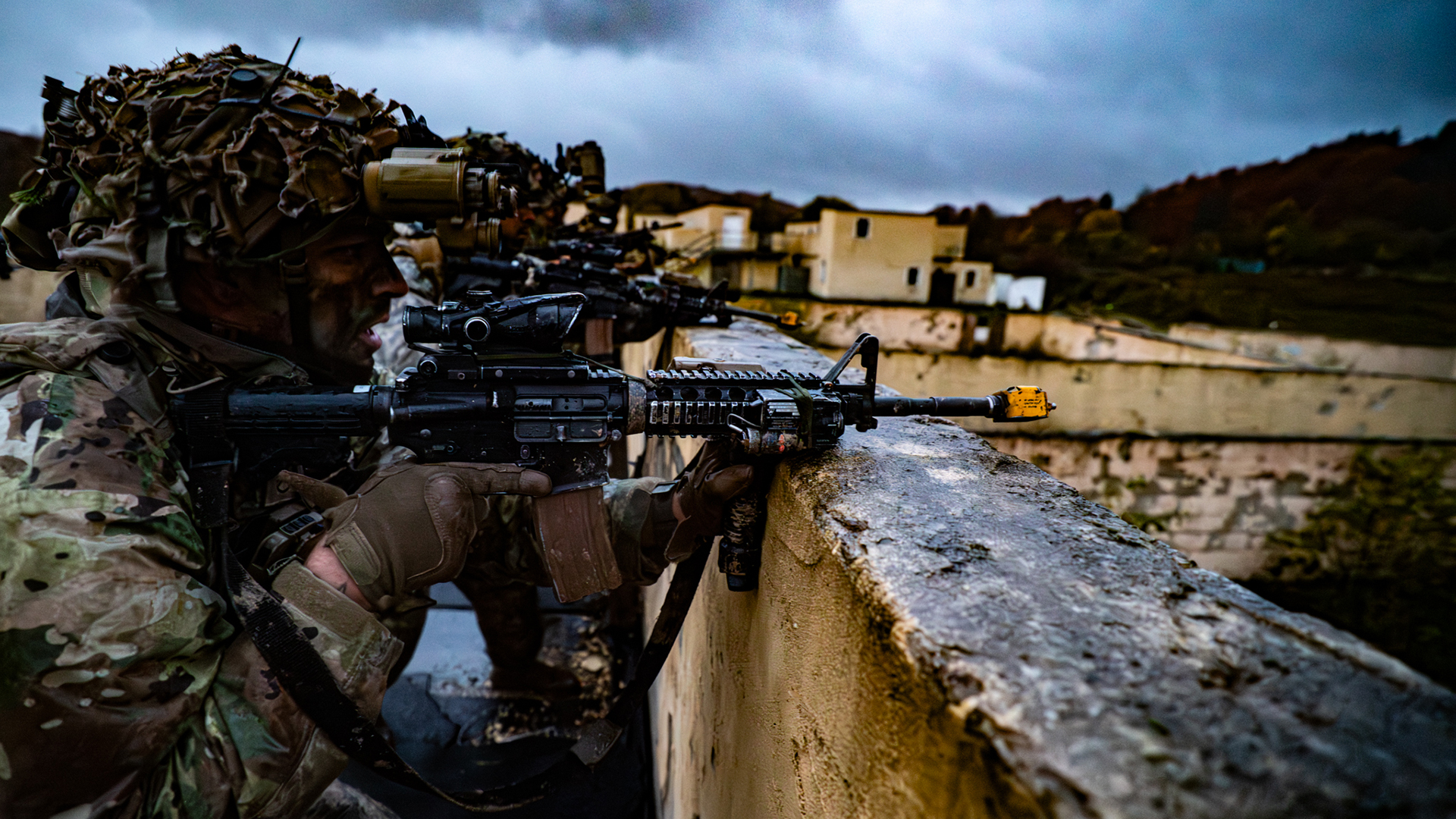
Still, the U.S. troop drawdown in Europe has drawn a rare rebuke of the Trump administration. Two top Republican lawmakers — Sen. Roger Wicker and Rep. Mike Rogers, who chair the Senate and House Armed Services Committees — said they “strongly oppose[d]” the move on Wednesday.
“Pulling back U.S. forces from NATO’s Eastern flank prematurely, and just weeks after Russian drones violated Romanian airspace, undermines deterrence and risks inviting further Russian aggression,” they said in a joint statement.
Widely regarded as defense hawks on the Hill, Wicker and Rogers added that they had previously said they would not accept significant changes to “our warfighting structure” without serious coordination with combatant commanders, the Joint Chiefs of Staff and input from Congress.
“Two weeks ago, President Trump stated that the United States would not be withdrawing U.S. forces in Europe, but instead ‘may move some around a little bit.’ The President is right that U.S. force posture in Europe needs to be updated as NATO shoulders additional burdens and the character of warfare changes,” the statement said. “But that update must be coordinated widely both within the U.S. government and with NATO.”
The move comes amid whiplash negotiations and strong-arming between Russia and the U.S over Moscow’s invasion of Ukraine. NBC News reported on Tuesday that U.S. intelligence agencies were warning that Russian President Vladimir Putin would continue waging war against Ukraine as the Trump administration imposed sanctions on multiple Russian oil companies.
“This decision also sends the wrong signal to Russia at the very moment President Trump is applying pressure to force Vladimir Putin to come to the table to achieve a lasting peace in Ukraine. The President has it exactly right: now is the time for America to demonstrate our resolve against Russian aggression,” Wicker and Rogers said. “Unfortunately, the Pentagon’s decision appears uncoordinated and directly at odds with the President’s strategy.”
Loading comments…
Comments couldn’t be loaded. Please refresh the page.