
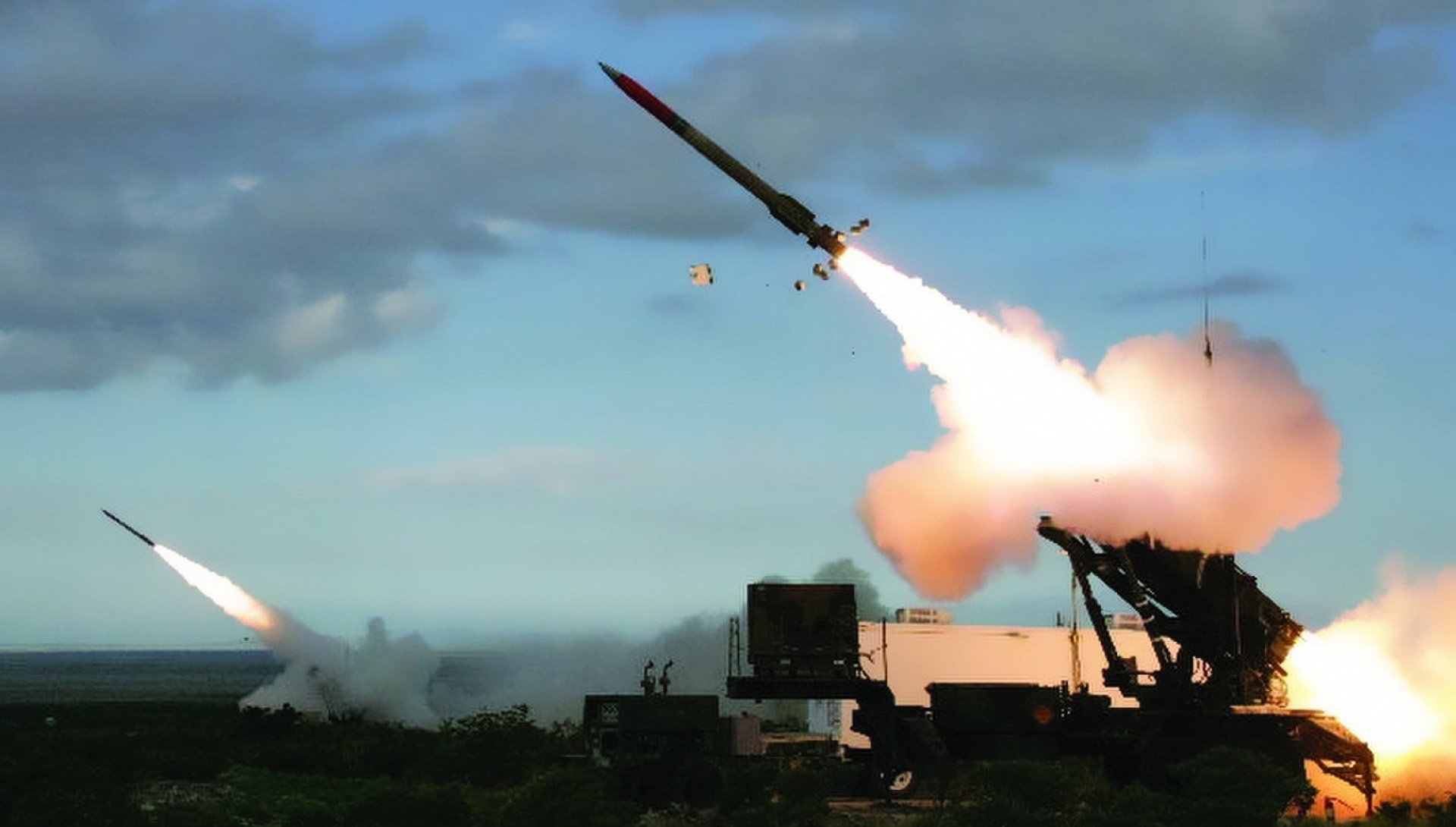
Since the war with Iran began in February, U.S. forces in the Middle East have burned through their supply of ground-based air defense missiles to fend off Iranian attacks.
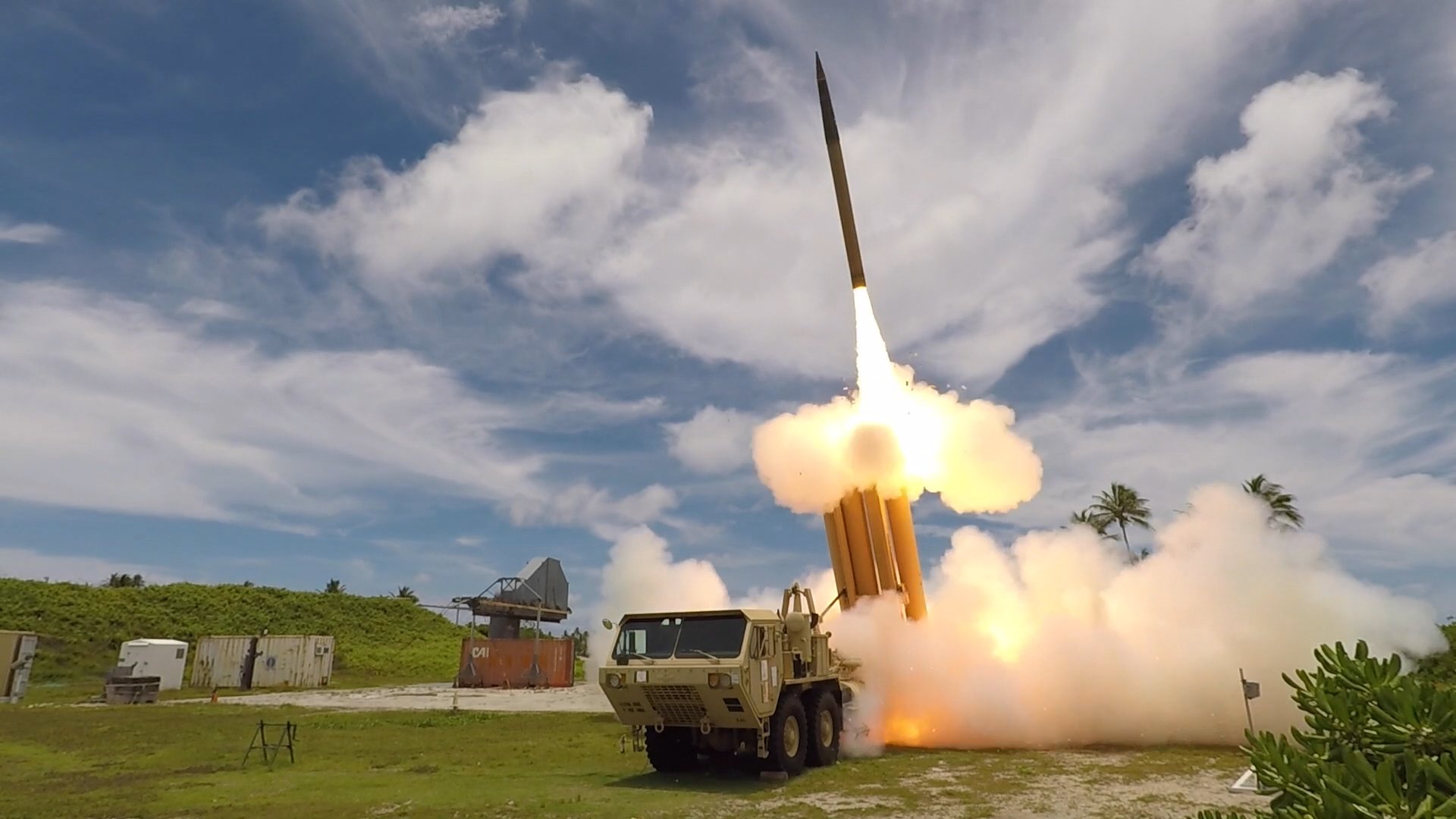
Now the U.S. military could need about three years — and possibly longer — to restock its inventory of Patriot and Terminal High Altitude Area Defense, or THAAD, missiles to pre-war levels, experts told Task & Purpose.
The U.S. military may have fired up to 67% of its Patriot missiles and as many as 48% of its THAAD interceptors since the Iran war began, according to a recent analysis from the Center for Strategic and International Studies, or CSIS, a think tank in Washington, D.C.
“Diminished stockpiles may force the United States and its coalition partners to take more risks with interceptions,” the CSIS analysis says. “There are no good alternatives to Patriot and THAAD for ballistic missile defense. Navy ships, with Standard Missiles that can intercept such threats, generally are too far away.”
Top Stories This Week
Iran has launched barrages of drones and missiles against U.S. bases in the Middle East as well as partner countries, such as Saudi Arabia, Bahrain, and Kuwait. That has made air defense one of the most important missions of the war, putting a great strain on the U.S. military’s stockpile of interceptors.
As things now stand, the inventory of Patriot missiles may have fallen from 2,330 to between 759 and 827 missiles, according to the CSIS analysis. The U.S. military’s arsenal of THAAD missiles may have also decreased from 452 to between 234 and 278.
“CSIS estimates it could take a little more than three years to replenish the THAAD and Patriot inventory to pre-war levels, but that would take longer if the U.S. military starts using the munitions in great numbers again,” said retired Marine Col. Mark Cancian, a senior advisor with the CSIS Defense and Security Department. “The White House could reduce that timeline by requiring that all new production Patriots and THAADs be delivered to the U.S., with deliveries delayed to the allies and partners.”
That timeline, however, depends on whether Congress passes the Pentagon’s budget for next fiscal year, which funds part of the military’s efforts to replenish its interceptors, Cancian said.
Currently, the U.S. military has enough of both interceptors to continue supporting operations against Iran for some time, he said.
“The problem is as we use the inventory, we have fewer that we could use in a conflict in the Western Pacific against China, where we would need a lot of these, and fewer that we can give to our allies and partners who need them, like Ukraine,” Cancian told Task & Purpose.
Prior to the Iran war, the conventional wisdom among experts, Cancian said, was that the U.S. military’s inventory of ground-based interceptors was not enough for a conflict with China.
At the moment, it is unclear how long the war with Iran will continue. U.S. Central Command, or CENTCOM, announced on Wednesday that it had resumed airstrikes against Iran following a brief pause. The strikes came after Iran’s Islamic Revolutionary Guard Corps launched several ballistic missiles as part of “an attempted surprise attack” against U.S. forces in the Middle East, a command news release says. All the Iranian missiles were intercepted.
In response to questions about how the U.S. military plans to restock its inventory of Patriots, THAADs, and other air defense missiles, Chief Pentagon Spokesman Sean Parnell provided Task & Purpose with the following statement: “America’s military is the most powerful in the world and has everything it needs to execute at the time and place of the President’s choosing. We have executed multiple successful operations across combatant commands while ensuring the U.S. military possesses a deep arsenal of capabilities to protect our people and our interests.”
On Wednesday, the Army awarded Lockheed Martin a nearly $54 billion contract modification as part of a seven-year agreement to build Patriot missiles. This comes on top of a roughly $5 billion contract that the company received in April to build the interceptors.
With the new funding, Lockheed Martin expects to be able to triple its production capacity of advanced Patriot missiles by the end of 2030, a company news release says.
Lockheed Martin also received a nearly $35 billion contract in June to quadruple THAAD production over the next seven years.
Despite the Pentagon’s massive spending to ramp up production of air defense missiles, it will still take years to replenish its stockpile of THAADs and Patriots, said Virginia Burger, of the Project on Government Oversight, or POGO, a non-partisan watchdog group.
“I would say a conservative estimate is three years,” said Burger, a senior defense policy analyst with POGO’s Center for Defense Information. “That is like most conservative. In fact, I believe it will probably take a lot longer.”
Patriots and THAAD interceptors are among the U.S. military’s most complex munitions that have the most complicated supply chains and production requirements, Burger told Task & Purpose. Each interceptor requires an immense amount of computing power that currently cannot be mass produced easily, she said.
“When that missile is fired from a Patriot battery or from a THAAD battery, that missile has to be able to track its airborne target that is also moving,” Burger said. “It has to adjust its movement off of that. So, all of those components require an incredible amount of computing power, software, hardware — all of it working together.”
As such, it typically takes the defense industry 42 months to complete a contract for Patriots and 53 months for THAADs, she said.
Most of the agreements that the Pentagon has reached with companies to increase production of THAADs, Patriots, and other munitions will take between three and seven years to go into effect, Burger said.
“That is not an instant fix,” Burger said. “That production capacity is going to grow over time. In maybe three or four years they’ll be able to produce more than a handful a year, but we’re not there now.”
Loading comments…
Comments couldn’t be loaded. Please refresh the page.