
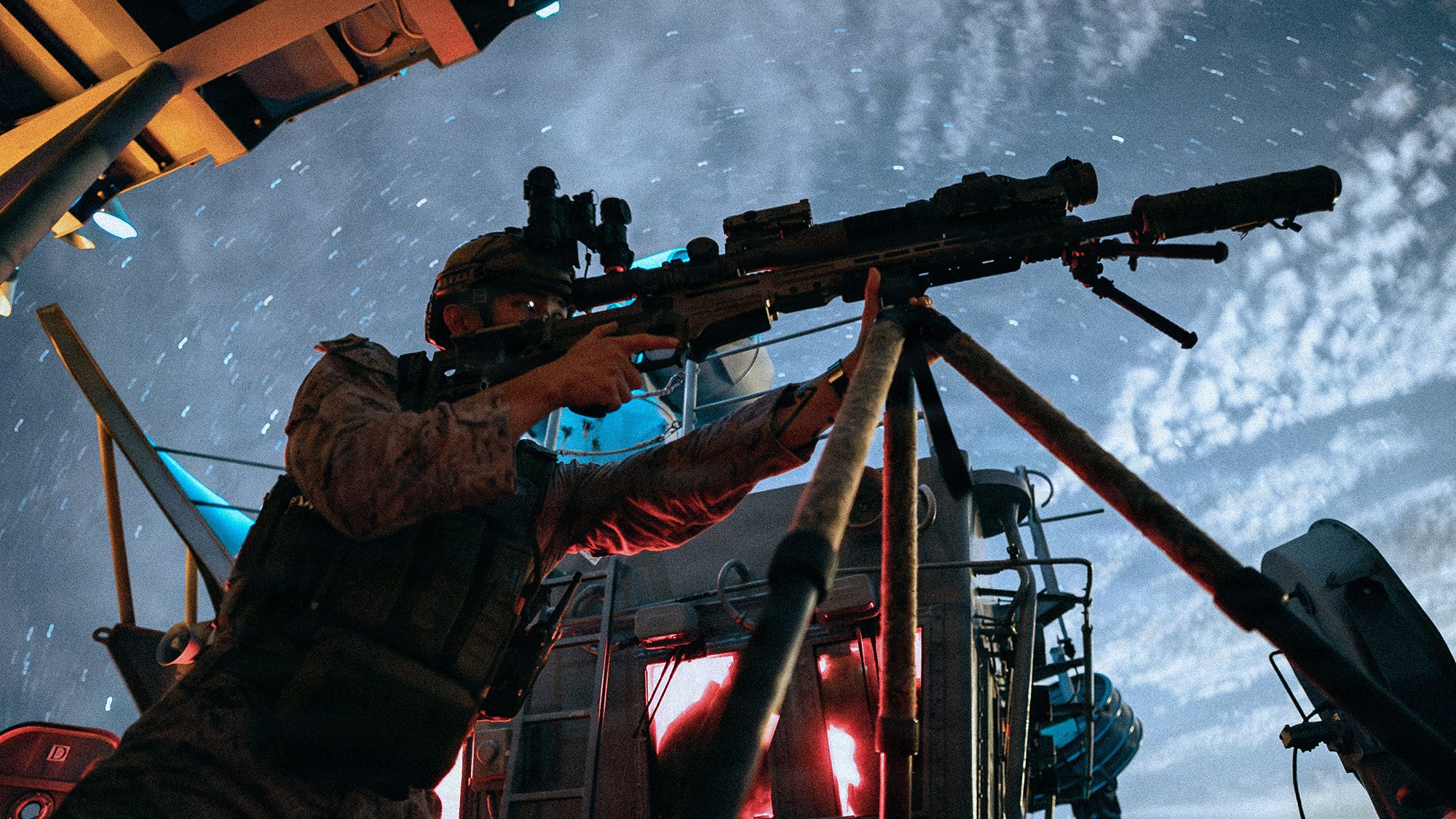
The Marine Corps is creating a new primary military occupational specialty for scouts starting on Oct. 1, Corps officials announced on Tuesday.
The new Marine Scout field, which will have a military occupational speciality, or MOS, code of 0315, will make up a “26-Marine Scout Platoon” within infantry battalions, with “Scout Teams” being added to light armored reconnaissance battalions, reads a Marine Corps news release.
Scout platoons are equipped with advanced optics, communications equipment, and drones for reconnaissance and surveillance missions, the release says. Each team within the platoon includes a Joint Fires Observer to coordinate air and artillery strikes.
“This professional, purpose-built force will provide commanders with the organic reconnaissance and surveillance capabilities essential for success on the future battlefield,” Lt. Gen. Jay M. Bargeron, deputy commandant for plans, policies, and operations, said in the release. “These scouts will be our eyes and ears, extending our sensing capabilities and enabling commanders to make faster, more effective decisions to win our nation’s battles.”
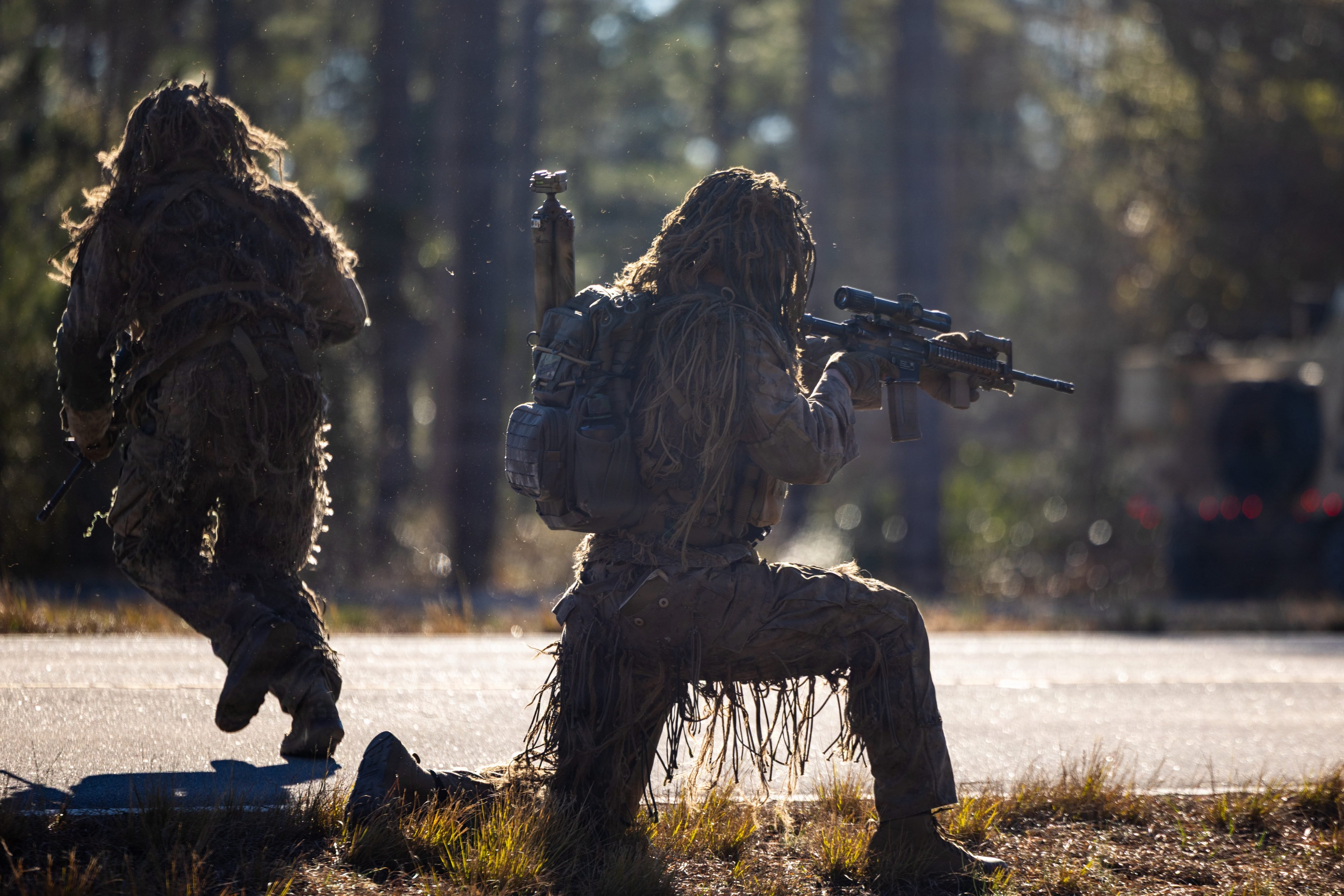
Marine Maj. Gen. Michael A. Brooks, who leads Training Command, told reporters in May that Corps leaders were considering making scouts a primary military occupational specialty, or PMOS, similar to machine gunners and mortarmen.
“There is interest in turning our scout MOS, which is 0315, into a primary MOS,” Brooks said during a media roundtable. “So, it would be like, you know, machine gunner, or 0331; or mortarman, 0341. You’d have an 0315 scout as a primary MOS. We don’t do that right now. It’s an additional MOS.”
If the Marine Corps made such a move, scouts would likely attend a new Ground Reconnaissance Course to receive their PMOS, Brooks said at the time.
Lt. Col. Worth Parker, a retired ground reconnaissance and special operations officer, told Task & Purpose in May that scouts and Reconnaissance Marines both provide commanders with intelligence, but Reconnaissance Marines typically operate at greater distances beyond the forward edge of the battle area than scouts.
“Let’s say a rifle company is going to assault an objective,” Parker said at the time. “You might use the scouts to find a route to the objective and then bring them back to link up with the company commander to take that company on to where they have to go.”
Loading comments…
Comments couldn’t be loaded. Please refresh the page.