The USS Gerald R. Ford has a plumbing problem.
The Navy’s largest aircraft carrier, which heavily took part in the Jan. 3 airstrikes on Venezuela which led to the capture of Nicolas Maduro, keeps seeing its toilets break down. It’s an apparently ongoing problem that has plagued the ship for months, according to documents obtained by NPR.
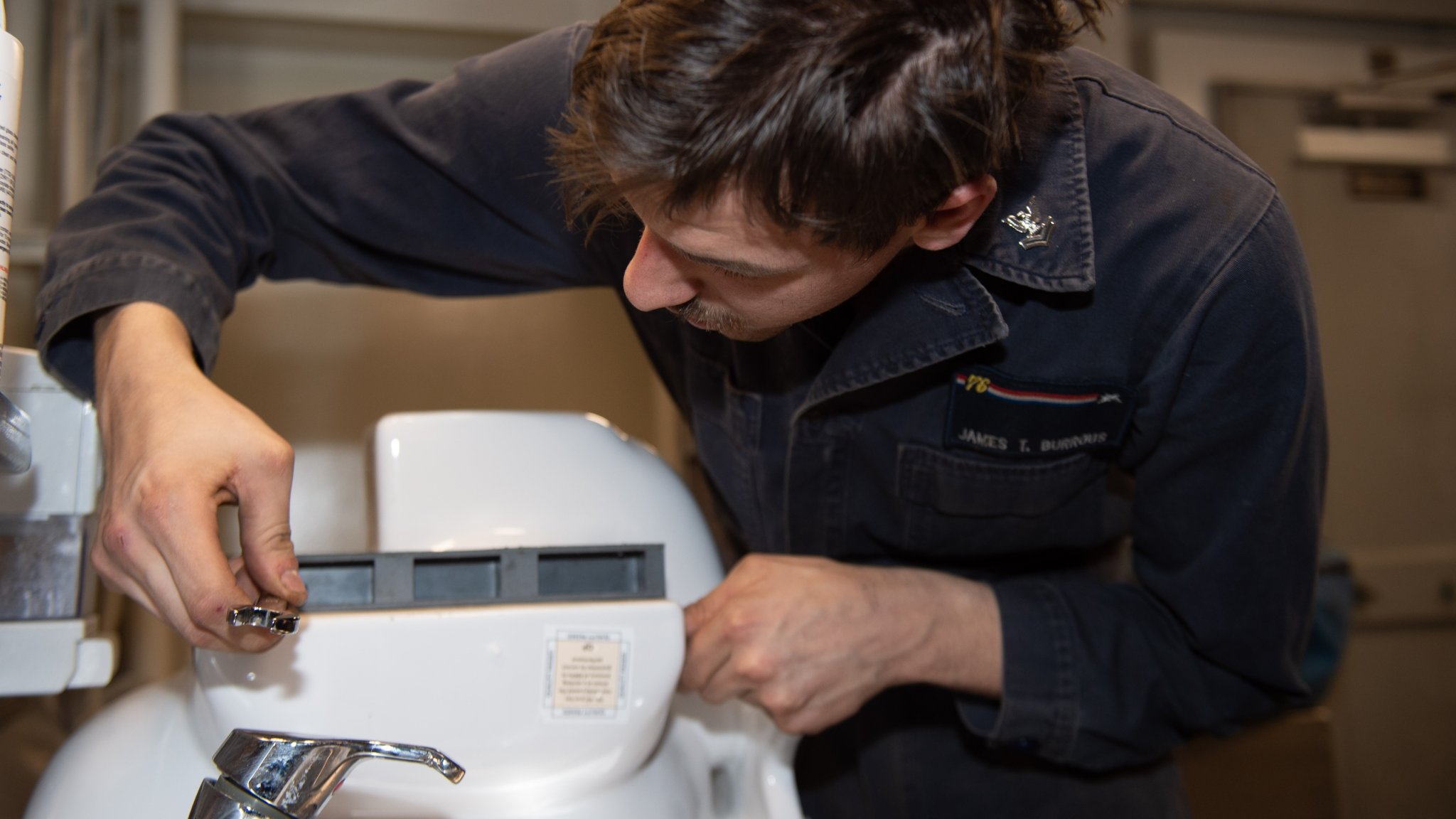
Even though the Ford is the newest and most advanced carrier the Navy has, its toilets continue to fail on a regular basis, impacting more than 4,000 sailors. The main issue is breakdowns with the ship’s Vacuum Collection, Holding and Transfer (or VCHT) system, which controls its toilets and sewage collection.
The crew of the Ford has had to call for outside help with the systems 42 times since 2023, NPR found. 32 of those calls happened last year, 12 of them after the deployment started. A March 2025 email examined by NPR saw the Ford’s engineering department note the sewage system “is being mistreated and destroyed by Sailors on a daily basis.”
In a statement to Task & Purpose, Fleet Forces Command spokesperson Lt. Cmdr. David Carter said that the VCHT system has had “no impact on the ship’s operational readiness or mission execution.” The system is split across 10 independent zones and supports more than 600 toilets on the ship. According to Fleet Forces Command, the ship sees on average one maintenance call for the system per day, “typically resulting from improper materials being introduced into the system.”
“These issues are usually isolated, can be addressed by ship’s force in any operating condition or location, and are resolved while the remainder of the system continues to operate normally,” Carter said. “Maintenance demands have decreased as the deployment has progressed, and planned system improvements will be incorporated during upcoming maintenance availabilities to further enhance reliability.”
Top Stories This Week
The toilet issues aren’t new. They were first reported in July shortly after the carrier deployed, when the mother of a sailor in the crew shared photos of the problem. The issues allegedly caused sewage to overflow onto the ship’s decks. She also said that its previous deployment saw similar issues. A 2020 Government Accountability Office report found that the system was improperly designed, resulting in issues for the carrier. However documents obtained by NPR show that the issues have continued to persist, even as the Ford was sent to Latin American waters amid rising tensions with Venezuela.
System failures are often caused by calcium build ups that clog pipes. Some failures can, depending on their location in the ship, cause issues throughout the entire zone, another email obtained by NPR said. Acid flushes can clear and restore the system, but according to that 2020 GAO report, each flush costs the Navy $400,000. NPR found that the Ford’s pipes have gotten that treatment at least 10 times since 2023.
Fleet Forces Command’s statement did not elaborate on what “improper materials” are being put down the pipes, but a statement to reporters last year noted T-shirts and mopheads being flushed and causing problems.
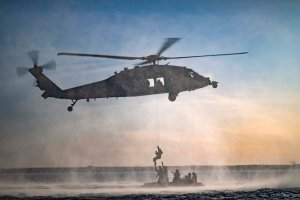
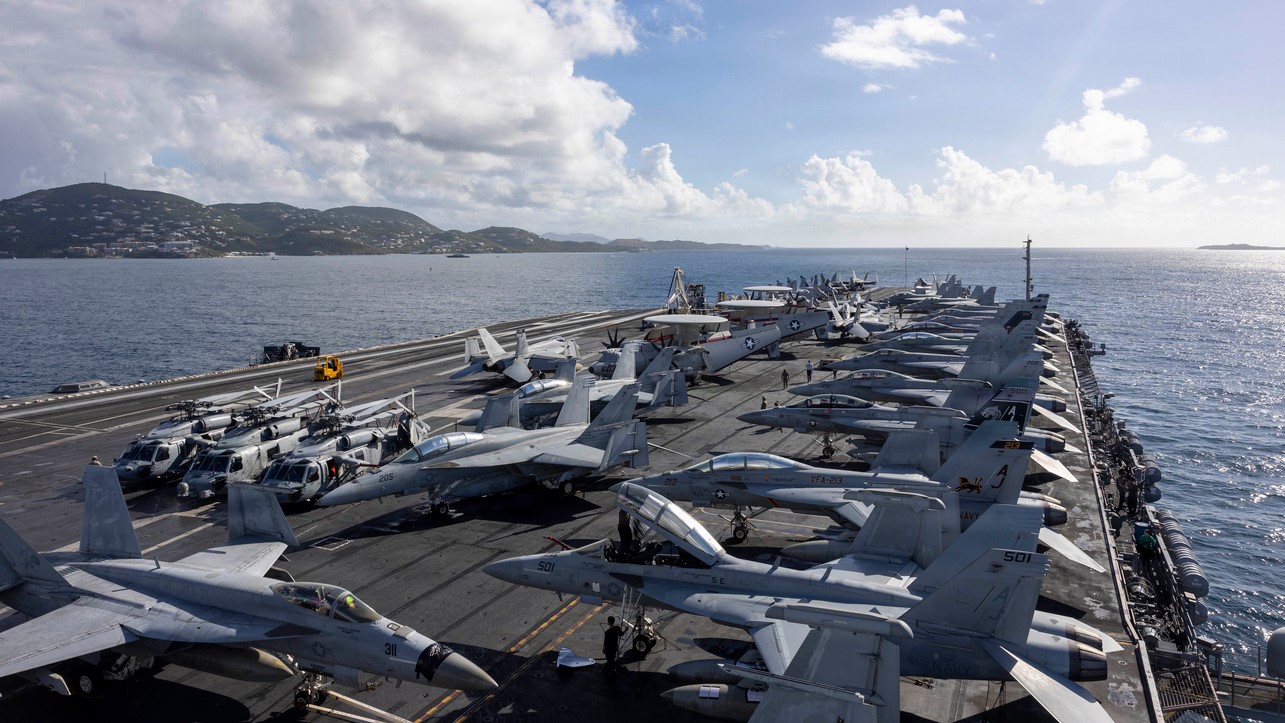
The Ford deployed from its home port last summer, first to the Mediterranean Sea before being ordered to the Caribbean in the fall. Its presence in the region has been central to the U.S. military build up there. Its carrier air wing, including F/A-18Es, F/A-18Fs and EA-18 Growlers, took part in the strikes on Caracas on Jan. 3. Additionally, sailors and members of the U.S. Coast Guard have launched from the Ford in missions to seize and capture oil tankers leaving Venezuela.