
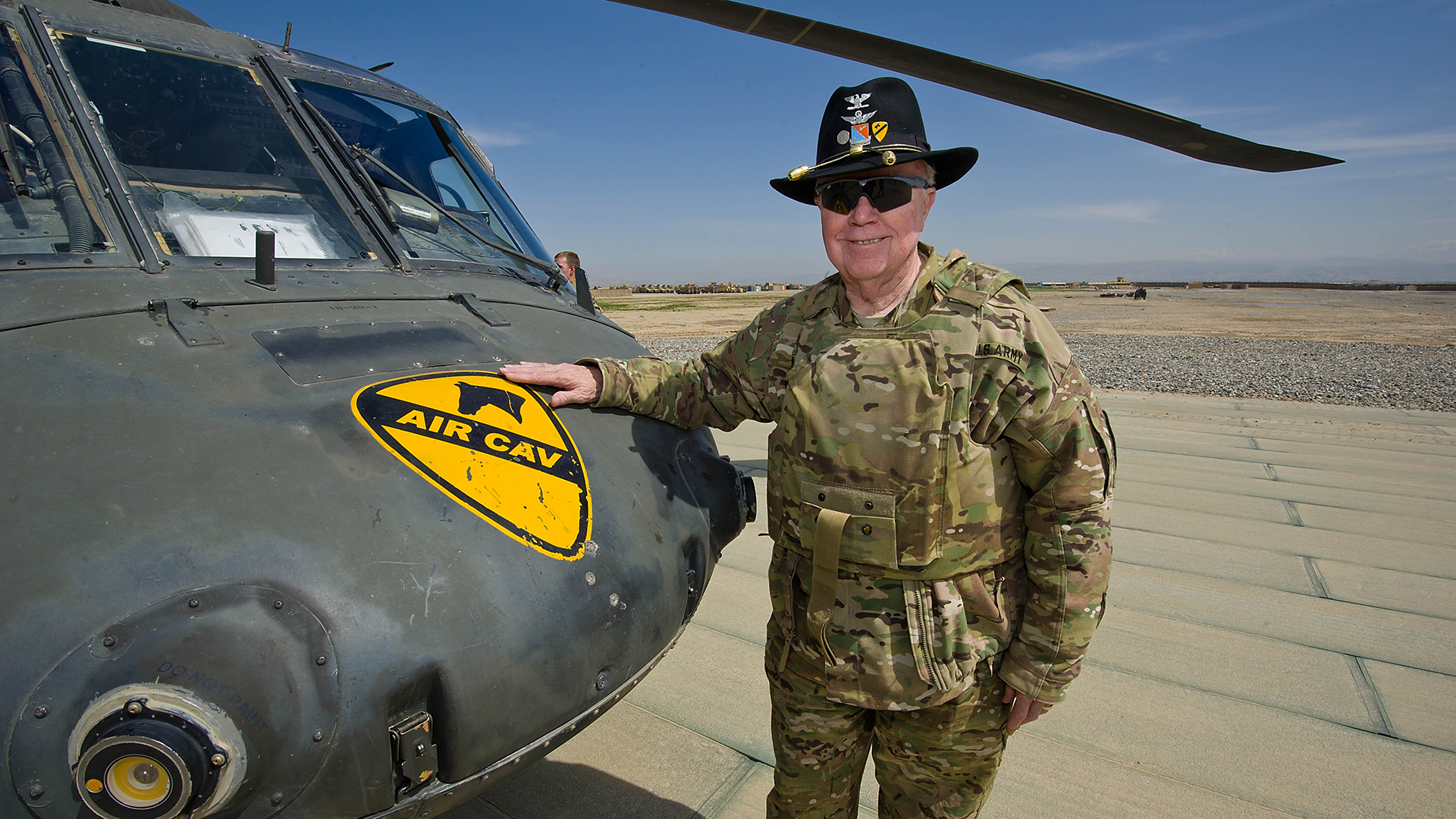
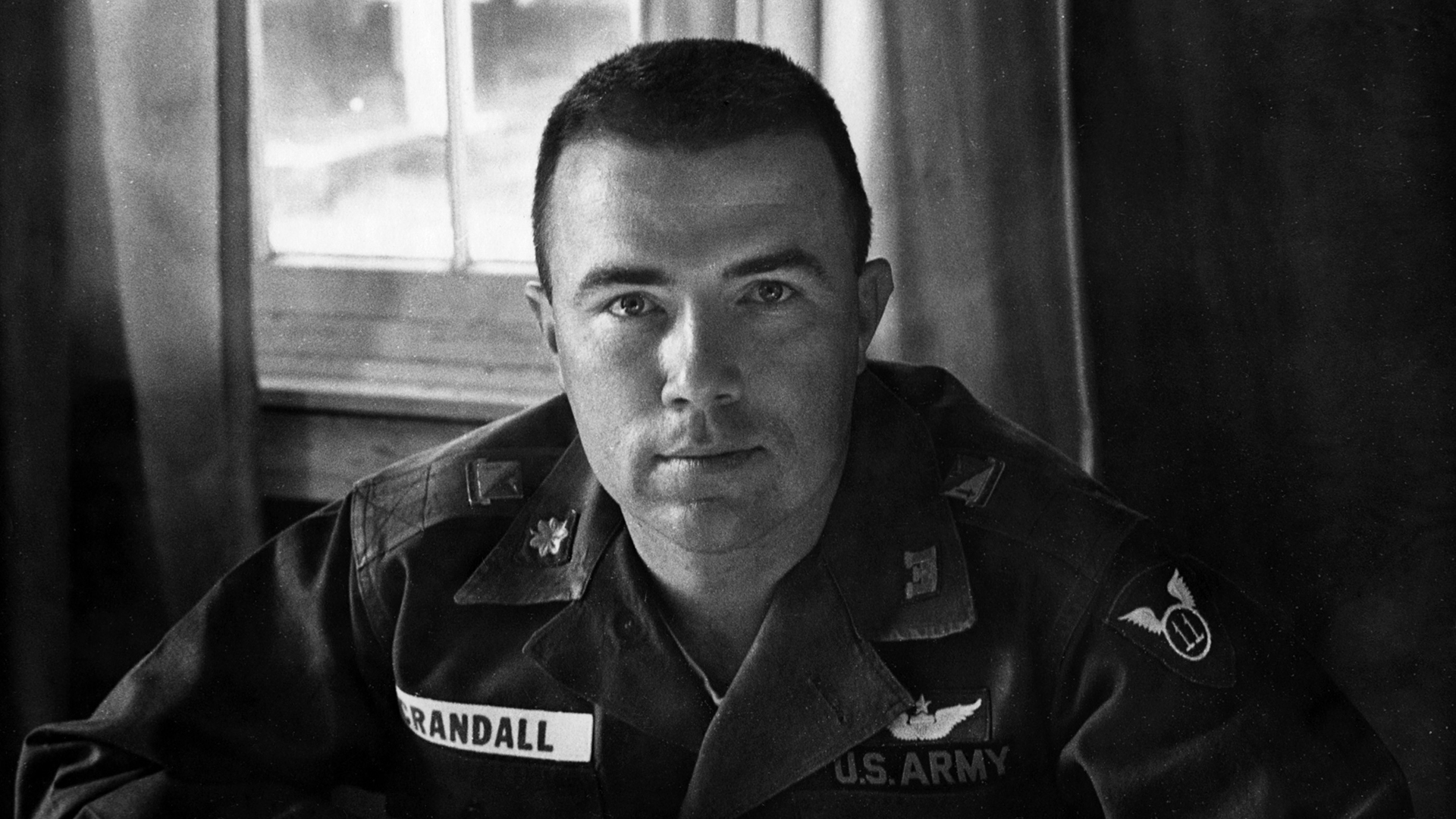
Retired Army Col. Bruce Perry Crandall, the legendary helicopter pilot who was awarded the U.S. military’s highest decoration for valor for his bravery during the 1965 Battle of Ia Drang, recently died at the age of 93, according to the Congressional Medal of Honor Society.
Crandall was awarded the Medal of Honor in February 2007 for repeatedly flying his helicopter into heavy combat to evacuate wounded troops and provide the outnumbered soldiers on the ground with the supplies needed to hold their own against massive North Vietnamese attacks.
“Major Crandall’s voluntary decision to land under the most extreme fire instilled in the other pilots the will and spirit to continue to land their own aircraft, and in the ground forces the realization that they would be resupplied and that friendly wounded would be promptly evacuated,” his Medal of Honor citation reads. “This greatly enhanced morale and the will to fight at a critical time.”
Top Stories This Week
His heroism was featured in the book “We Were Soldiers Once…and Young: Ia Drang — The Battle That Changed the War in Vietnam” by retired Army Lt. Gen. Hal Moore and Joseph Galloway. Actor Greg Kinnear later played Crandall in a 2002 movie based on the book.
Crandall joined the Army National Guard when he was just 15 years old and commissioned as an officer in 1954. His call sign “Ancient Serpent 6” earned him the nickname “Old Snake” among his fellow soldiers.
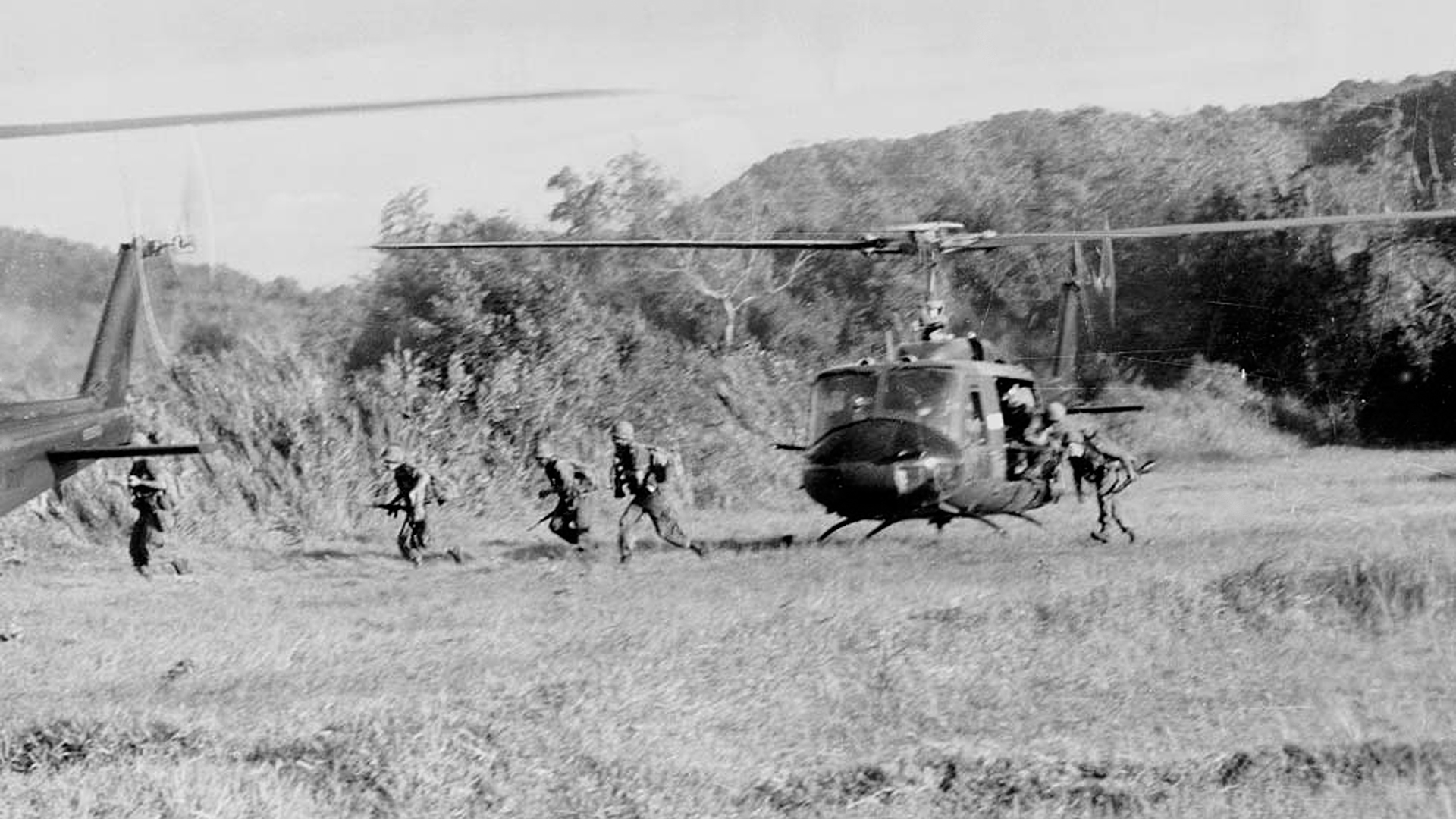
On Nov. 14, 1965, Crandall flew soldiers into Landing Zone X-Ray in South Vietnam’s Ia Drang Valley as part of what would become the first major battle between U.S. and North Vietnamese troops.
After his flight of eight medical evacuation helicopters came under intense enemy fire, the ground commander ordered the other helicopters to abort their mission. But Crandall knew that the soldiers on the ground needed more ammunition, so he began operating from a base closer to the battle to bring supplies and to ferry out the wounded, according to his Medal of Honor citation.
While medical evacuation was not his mission, Crandall sought volunteers and headed to Landing Zone X-Ray. Despite the “relentless enemy fire” raking the landing zone, he landed and ensured that severely wounded soldiers were loaded onto the aircraft, reads Crandall’s citation.
Crandall and retired Maj. Ed Freeman, a fellow Medal of Honor recipient who volunteered to fly the MEDEVAC mission, were credited with saving the lives of about 70 wounded soldiers and delivering critically needed supplies during 22 harrowing landings.
“Over the course of the day, Major Crandall had to fly three different choppers,” President George W. Bush said during Crandall’s Medal of Honor ceremony. “Two were damaged so badly they could not stay in the air. Yet he kept flying until every wounded man had been evacuated and every need of the battalion had been met.”
Crandall died on May 31 at his residence in Tempe, Arizona, according to the Congressional Medal of Honor Society. With his death, only 63 living Medal of Honor recipients remain.
Loading comments…
Comments couldn’t be loaded. Please refresh the page.