
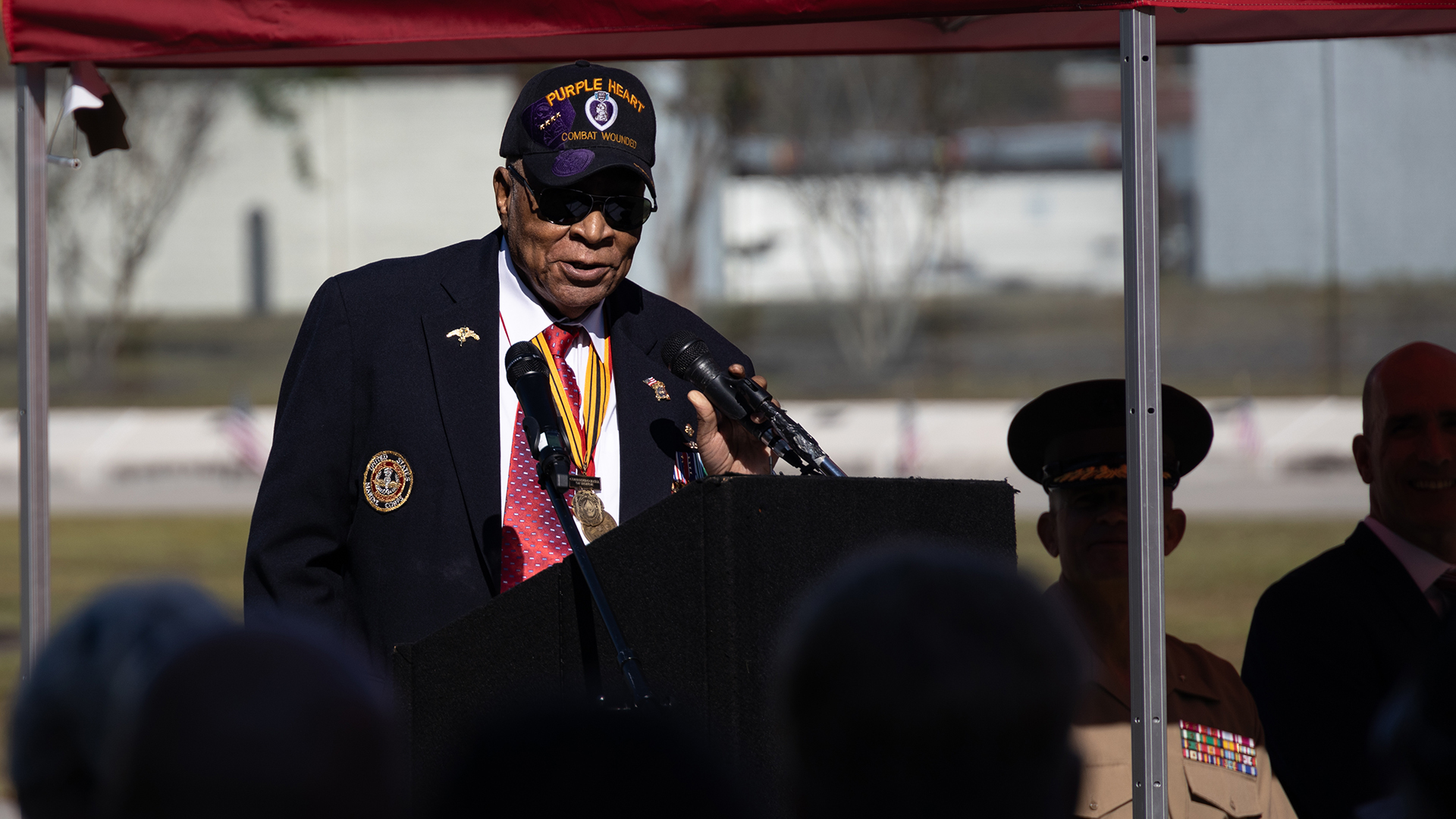
Nearly 60 years after he led his reconnaissance team through a harrowing ambush in South Vietnam — ignoring his numerous serious wounds — retired Maj. James Capers Jr. will finally be honored with the U.S. military’s highest award for valor on Thursday.
President Donald Trump will award Capers the Medal of Honor at Thursday’s ceremony, a White House official confirmed to Task & Purpose.
Capers’ heroism during an April 1967 ambush in South Vietnam is legendary. He led a nine-man team from 3rd Force Reconnaissance Company to a helicopter landing zone despite losing a significant amount of blood from numerous injuries, including bullet and shrapnel wounds and a broken leg.
He also refused to board the helicopter unless the aircraft’s crew also took the body of the team’s military working dog. When the helicopter struggled to take off, Capers twice tried to get out so that the aircraft would be light enough to fly.
Top Stories This Week
“It was an attempt to save my troops,” Capers told Task & Purpose on Monday. “It wasn’t heroism. It might have looked that way, but it wasn’t about Jim Capers. It was about the 10 men that I had and the dog’s body that I wanted to get home.”
In an interview prior to his Medal of Honor ceremony, Capers said that his team was facing a desperate situation as the helicopter struggled to get airborne. The recon team had fought for four days and nights. So many of them were wounded that the floor of the helicopter was covered with blood. The co-pilot had also been shot.
They needed to get out of there to survive, and Capers was willing to be left behind so the others could escape. But another service member grabbed him by his harness to pull him back into the helicopter.
Reflecting on that moment, Capers said he doesn’t believe he did anything extraordinary under the circumstances.
“When you’re in command, you look after your troops,” Capers said. “When the helicopter was too heavy with the man load, I did what any commander would do: lighten the load.”
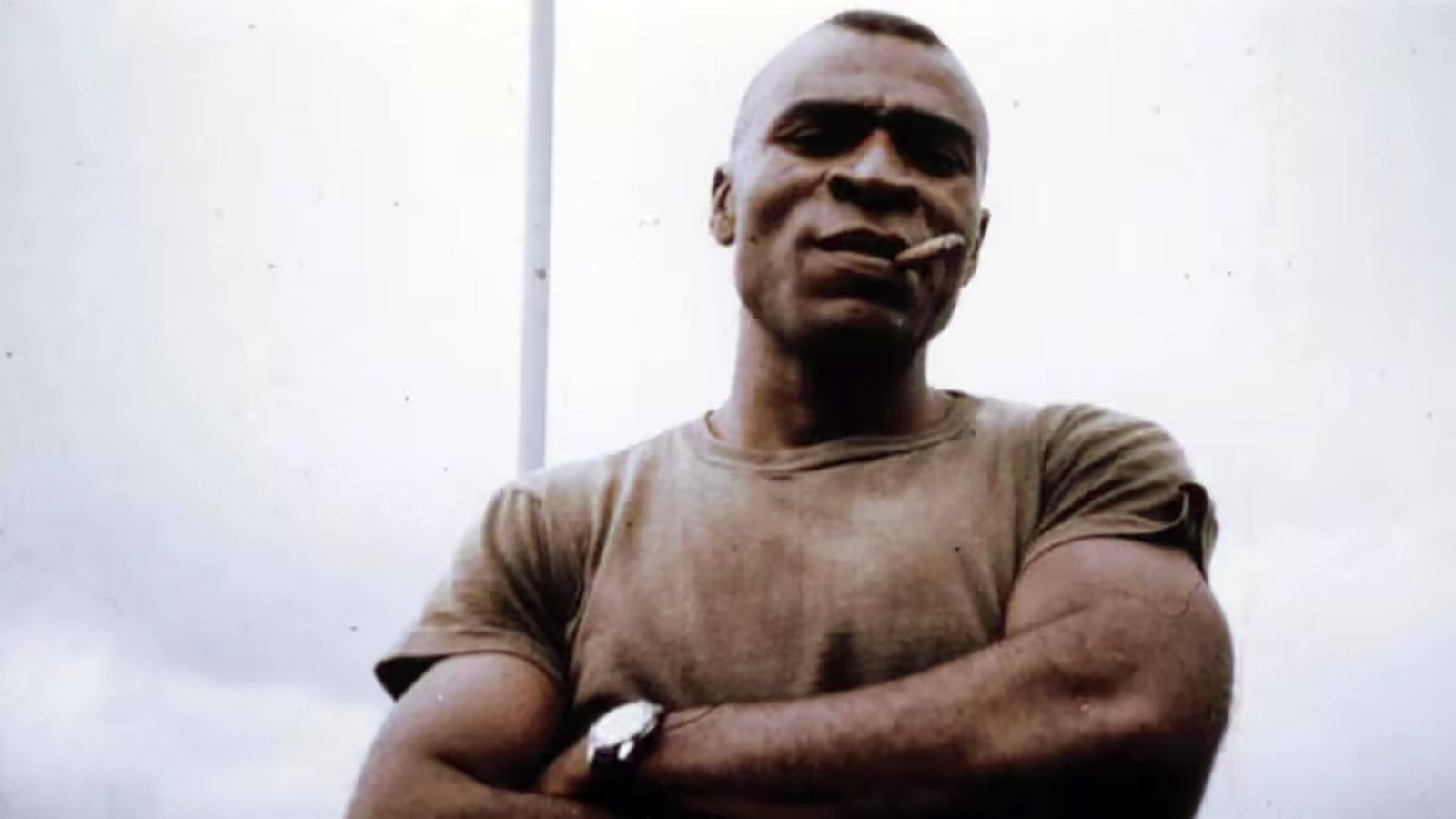
Capers was originally awarded the Bronze Star with “V” device for his actions in Vietnam. The award was upgraded to the Silver Star in 2010.
On March 26, Trump signed a bill passed by Congress that waived the time requirement for Capers to receive the Medal of Honor. Current policy requires that the Medal of Honor be awarded within five years of the date of action. If new information about a service member’s actions comes to light after that point, they need a waiver from Congress to receive the U.S. military’s highest award for valor.
The moment was the culmination of years of effort from veterans who advocated for Capers to receive the Medal of Honor. But military officials repeatedly argued that they didn’t have any new information to merit such a move, Brooks Tucker, a former Department of Veterans Affairs official who worked with lawmakers on the issue, told Task & Purpose in March.
“We simply said to people: Look at this logically; this makes no sense,” said Tucker, a retired Marine lieutenant colonel now serving as a commissioner on the American Battle Monuments Commission. “And enough people who mattered looked at this and said, ‘Yeah, it makes sense to me. I don’t know why we need any new information. We have it all here.’”
Even though he is being recognized with the U.S. military’s highest honor, Capers told Task & Purpose that he does not consider himself to be a hero.
“If you ask a bunch of guys, they will say no,” Capers said. “We did our job. The country asked us to go there and represent the country, and they would say no. The country may look at it differently, but most of us, we were there for our friends, and we fought for the country. They call me a hero, but having gone through what we went through in those jungles and those swamps there, we were just surviving, basically.”
Loading comments…
Comments couldn’t be loaded. Please refresh the page.