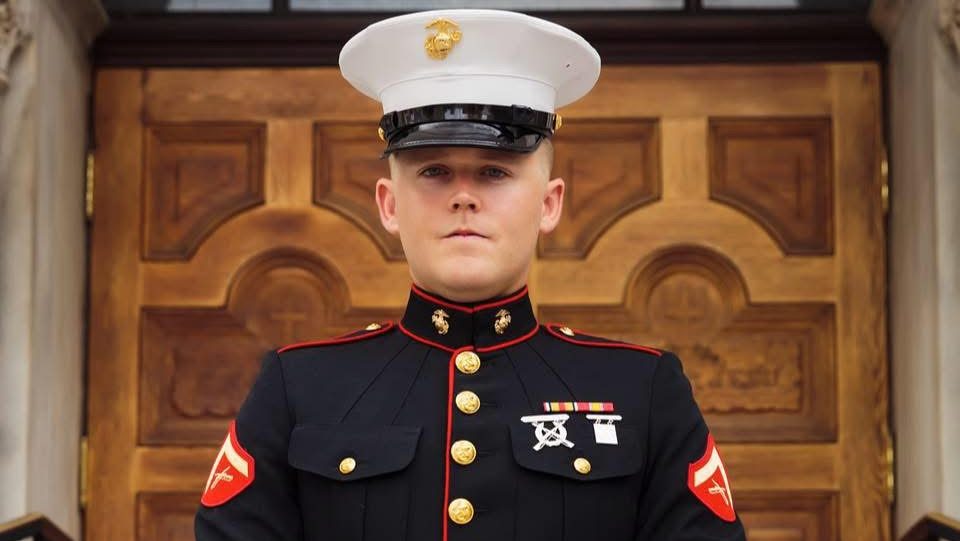
On a humid morning in late June, Sgt. Gordon Reed set out on what was meant to be a routine Physical Fitness Test with his reserve unit in Orlando, Florida. The motor vehicle operator and father of one collapsed in the final stretch of the test’s three-mile run.
Nearly an hour-and-a-half later, a doctor at a nearby hospital declared Reed dead following what his family and former leadership described as a series of catastrophic decisions made by members of his unit in response to the emergency. He was 30.
Task & Purpose spoke with more than half a dozen people and reviewed medical documents and internal unit correspondence related to Reed’s death. These accounts show that what could have been a 20-minute ride to a hospital — or an even shorter drive to a fire station — turned into a much longer ordeal after an aborted 911 call, a trip to an unsuitable medical facility, and delayed CPR, leaving questions about whether the unit was prepared for such an emergency.
Those errors, his family said, reduced his chances of survival. Four months later, the Corps has kept them in the dark about his death, as they slowly piece together what happened, they said.
“Our son is the world to us. Our world is gone,” said Marie Reed, Gordon’s mother. “At the same time, we have never been contacted by anyone to come tell us what the hell happened on that day. … Nobody has told us anything officially.”
Reed is one of at least 16 Marines to die during a PT event since 2020, according to military statistics. Reed’s death occurred after a Physical Fitness Test, a standard event meant to measure Marines’ physical ability. Unlike most training fatalities, the Marine Corps did not initially publicize his death.
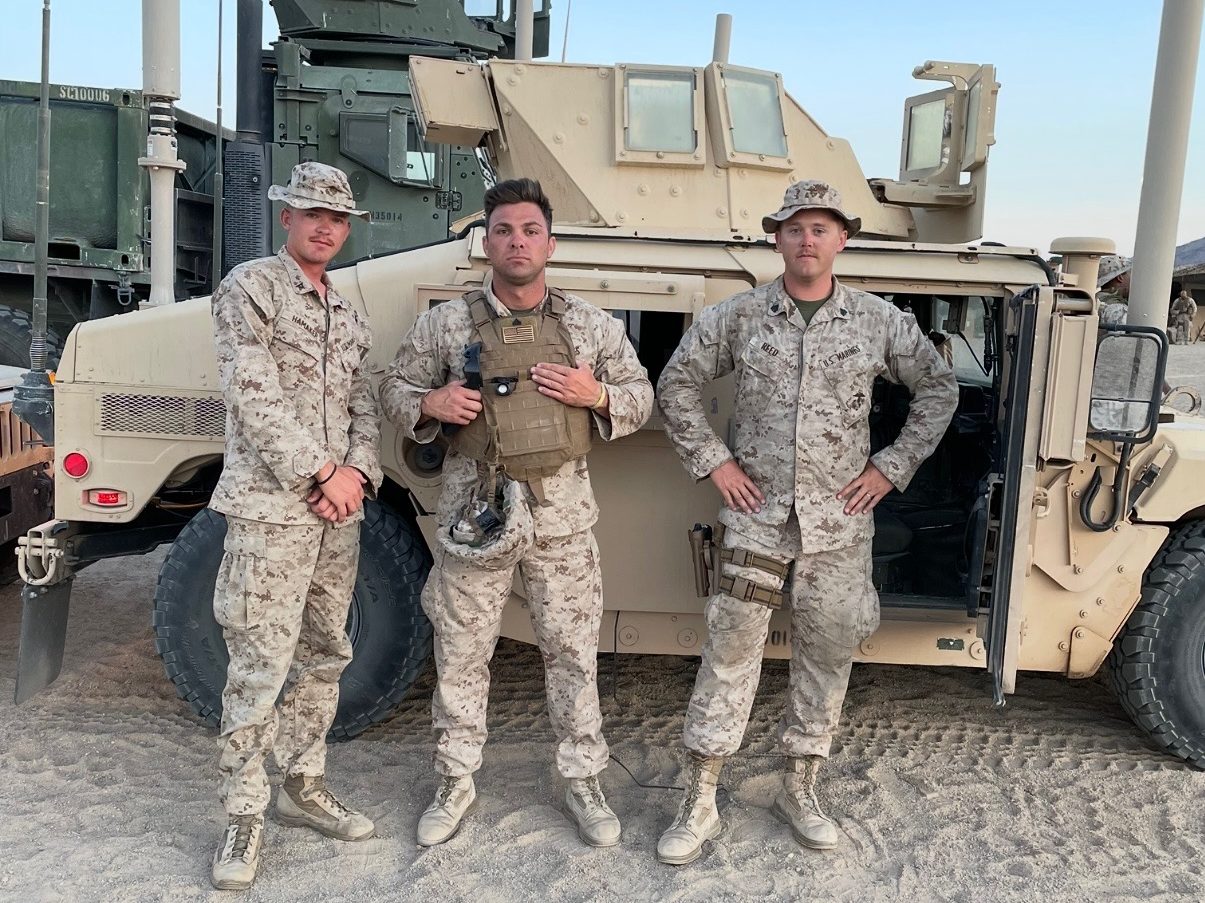
The Marine Corps and Naval Criminal Investigative Service launched investigations into Reed’s death, which are typical in on-duty fatalities. Neither answered specific questions about the incident, citing the ongoing probes.
An October autopsy said Reed’s cause of death was a “probable” cardiac arrhythmia, but stopped short of drawing any meaningful conclusions. Toxicology and genetic tests used to determine underlying factors came back negative, and there were no signs of rare COVID-19 vaccine complications or the infection itself.
They also show that Reed’s leadership was concerned about how his death was being perceived within the unit, a motor transportation company under Combat Logistics Battalion 451.
“I have no interest in covering for the command, the Corps, or any individual,” Reed’s company commander, who declined to comment, said in a unit message following his death. “If investigations uncover errors — mine or anyone else’s — they will be addressed and accountability carried through to its conclusion.”
However infuriating to his family, his text broached a theme central to their plight.
“Let’s try to learn from this, let’s make people accountable,” said Natalia Reed, Gordon’s wife. “Something needs to happen [so] not anybody else has to go through what me and my family are going through.”
A morning PT test
The test began with roughly 20 Marines, including at least one officer, a first sergeant, and a Navy corpsman. Even for the most routine exercises, the Marine Corps plans for medical emergency responses, such as treating heat illness and identifying transport to medical facilities. Officials declined to provide information about pre-test preparations.
An experienced corpsman unaffiliated with Reed’s unit said that medics who oversee such events would bring a med bag with an IV starter kit and thermometer, among other equipment. They said for physical events where heat was a concern, they would bring an automated external defibrillator, or AED.
In an interview with Task & Purpose, one of Reed’s former unit leaders questioned the readiness of the unit for such an emergency, citing inadequate medical resources at the test.
When Reed collapsed, roughly ten minutes lapsed before the first sergeant called 911, according to military documents. When the call was not answered, he hung up after 22 seconds. Six minutes later, an EMS dispatcher called the first sergeant back, a common EMS practice for missed calls. What they discussed remains unclear. The first sergeant did not respond to requests for comment.
None of the reports about Reed’s emergency indicate that Marines tried CPR or called 911 again. A spokesperson for the service said that a corpsman administered care to Reed, but did not specify what that entailed.
Reed’s family said the Marines then made a disastrous decision. Rather than wait for an ambulance or drive to a hospital, they took Reed in a van to an urgent care facility, passing by two fire stations with life-saving equipment and emergency-trained personnel in the process.
Unlike a hospital or well-equipped ambulance, urgent care clinics are not prepared for life-threatening emergencies — a fundamental difference in “level of care” that a military-trained medic is expected to know. When Marines arrived with Reed 20 minutes after he collapsed, staff at the clinic did little more than call 911.
Records from the clinic show that Reed was struggling to breathe when he arrived. He was given an oxygen mask and attached to an AED, but no shocks were delivered, and clinic records did not say if CPR was administered.
When the ambulance arrived, paramedics found Reed seated in a chair and unresponsive, showing final signs of cardiac arrest, according to the paramedic report. Paramedics moved Reed to the floor, finding that the clinic’s oxygen mask was not attached to an oxygen source.
Thirty-five minutes after Reed had collapsed, the paramedics started the first documented instance of CPR. The American Red Cross says “survival chances decrease by 10% for every minute that immediate CPR and use of an AED is delayed.”
“If there is no pulse, CPR is the one and only thing that you do while you call 911, and wait,” said Dr. Joyce Oen-Hsiao, director of cardiac rehabilitation services at the Yale-New Haven Hospital Heart & Vascular Center. “If the pulse was super weak, then they should still do CPR.”
Reed’s family believes his chances for survival plummeted following mistake after mistake — an unanswered call to 911, an urgent care instead of an emergency room, and delayed CPR.
“They failed him,” said Brent Reed, Gordon’s father.
Top Stories This Week
The paramedic crew delivered Reed to Orlando Regional Medical Center more than an hour after he collapsed, where medical personnel attempted to save him for 20 minutes. A doctor pronounced him dead at 9:30 a.m. Natalia checked his phone location ten minutes later, setting the family into an hours-long scramble to get to him, not knowing he was already dead.
Natalia said she arrived at the hospital that afternoon as the first sergeant and another Marine walked in. She asked the enlisted leader a question that has yet to be answered: “Why did you guys not take him to the hospital?”
Final Roll Call
A little over three weeks later, a candle fluttered in a room packed with Marines from Reed’s unit. It was his final roll call held at the reserve center near where he collapsed. Natalia remembered Reed’s name reverberating across the room before it fell into silence.
Marines spoke affectionately about Reed. He was described by his friends and family as a gentle, bright-eyed polymath — a loving father who also took on roles far beyond his rank.
The Reeds view this day with a mixture of pride and anger: proud of how many peers acknowledged his contributions to their lives, but angry at what they characterize as a failure to save him. That day, they confronted Reed’s leadership in a private meeting, but left without answers and even more wounded.
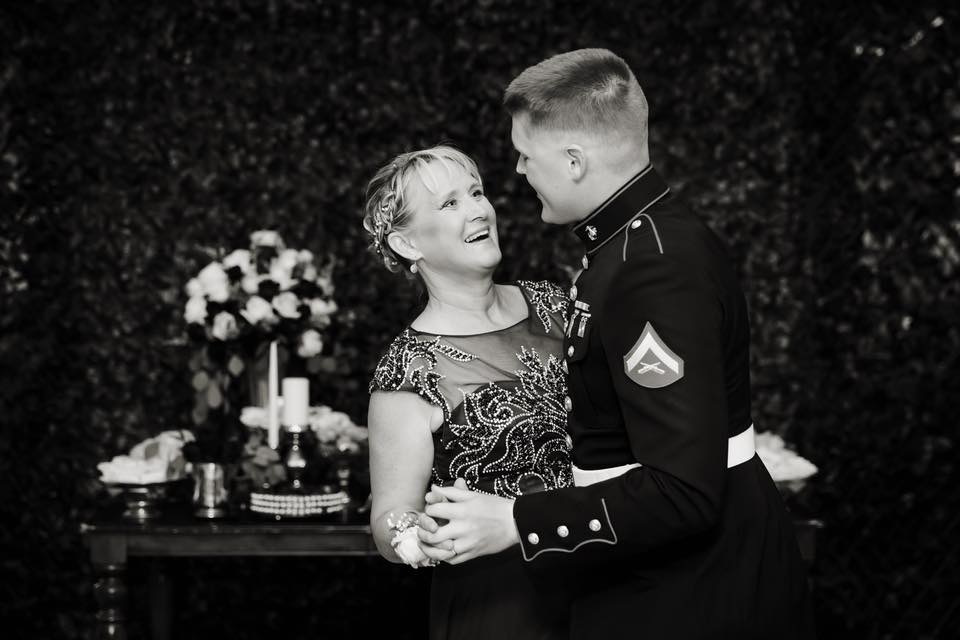
The Corps’ post-death bureaucracy has also been marked by what they described as transactional intrusions on their grief: a call wanting his Marine Corps gear back, a request for documents while delivering his flag case. And, beyond that, a sense that the Corps isn’t telling them anything, even as it collects information about Reed’s death before they can.
Now, Marie’s commutes to work, once spent talking to her son over the phone, are filled with silence. Natalia said she hasn’t been able to access survivor benefits that could help shoulder the weight of raising a two-year-old on her own, given the Corps’ labyrinth of paperwork and unresponsiveness.
“We want the truth, I want to know what really happened,” Marie said. “I do want accountability for this, for our son, as well as for any future Marines, so this doesn’t happen again.”