
The Navy will keep its ships in the area around the Strait of Hormuz after lifting its blockade, U.S. Central Command said on Thursday, ending two months of a dual stoppage of the waterway.
“American forces are not impeding the transit of vessels to or from Iranian ports,” CENTCOM said in its announcement. “All U.S. military blockade enforcement efforts have ceased.”
The move comes after President Donald Trump signed an initial agreement to end the war and open the Strait of Hormuz. However the many ships deployed to enforce the blockade — including several destroyers and the USS Abraham Lincoln aircraft – will “remain in the general area to make sure that all aspects of the agreement are adhered to, obeyed and in full force and effect.”
The direction from CENTCOM comes four days after Trump said that he authorized “the immediate removal of the United States Naval blockade.” However the blockade remained in effect until the deal was formally signed by the president in Europe. The agreement, which starts a 60-day ceasefire to allow for formal talks to fully end the war, also ends sanctions on Iran, affirms that Iran will not make or procure nuclear weapons and unfreeze Iranian assets.
The continued presence of the Navy around the strait comes as the U.S. and Iran stopped combat but remain prepared for additional conflict. At the Group of Seven summit on Wednesday Trump warned that the U.S. could go back to bombing Iran if the new ceasefire and agreement breaks down.
Top Stories This Week
Iran had heavily restricted the traffic of ships through the strait early in the war, cutting off the flow of oil and other chemicals through the important waterway. On April 13, a few days after the first ceasefire was announced, CENTCOM said it was blockading Iranian ports, effectively shutting down the strait. That left many ships effectively stranded.
CENTCOM head Adm. Brad Cooper said on Friday that more than 15,000 troops took part in or supported the blockade over that time period.
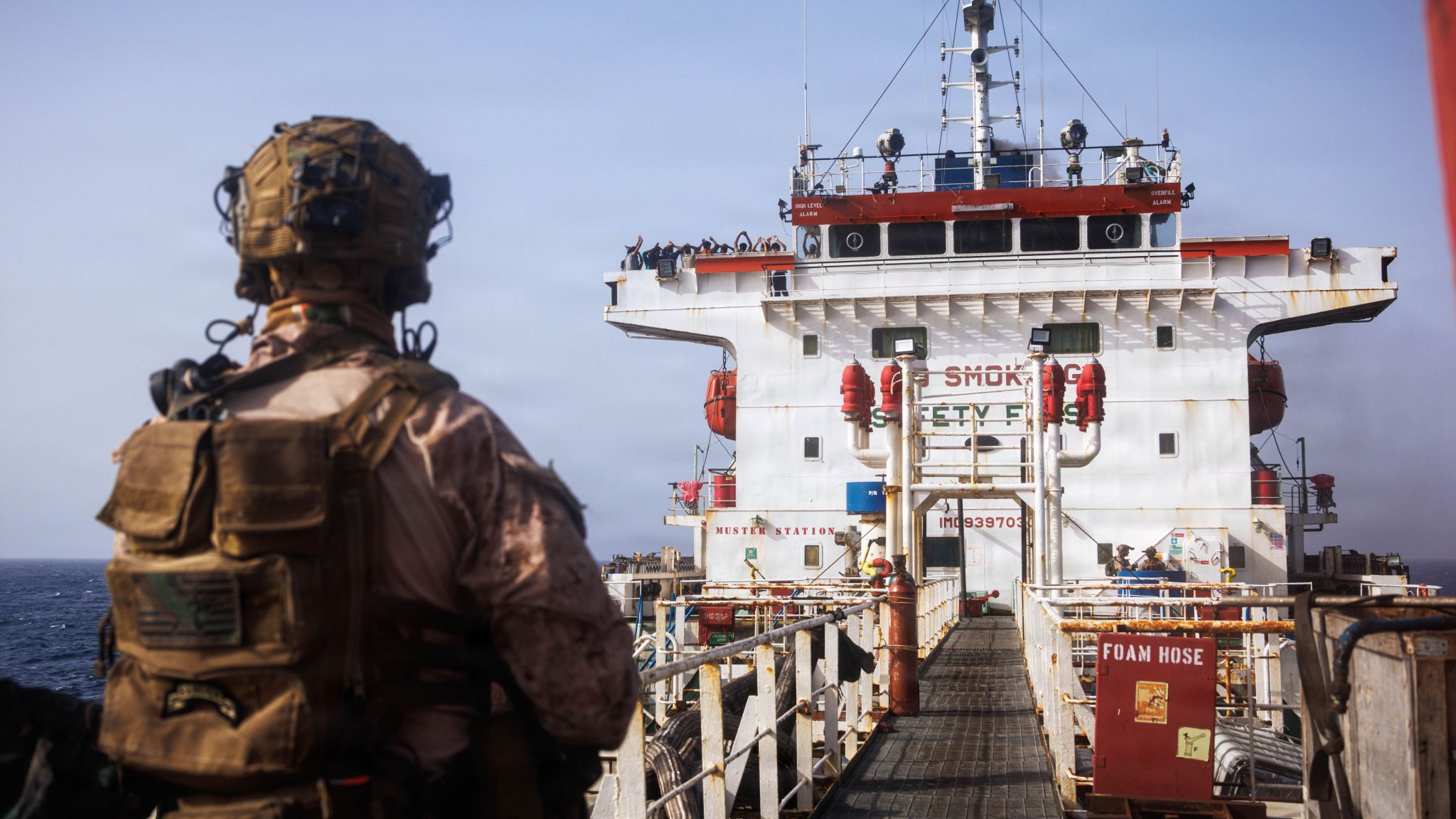
According to CENTCOM, the military redirected 142 commercial ships trying to get past the blockade, and disabled nine others. In those cases, the Navy fired deck guns or launching missiles from fighter jets into ships to stop them. Marines and other troops also boarded and seized some vessels that tried to break the blockade. On June 11, a strike on the M/T Settebello by the U.S. military killed three Indian sailors on the ship, the first fatalities from the enforcement of the blockade.
Loading comments…
Comments couldn’t be loaded. Please refresh the page.