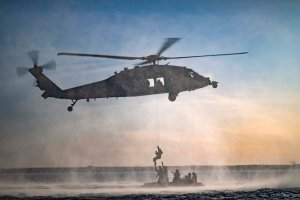
Nine days into the war with Iran, U.S. forces alongside the Israeli military continue to bomb targets around Iran and throughout the Middle East as the conflict shows no signs of ending.
U.S. forces have hit more than 3,000 Iranian targets as part of Operation Epic Fury, U.S. Central Command said, with fighter jets, bombers and missiles fired from destroyers. This weekend, President Donald Trump posted to social media saying that the U.S. military is expanding its range of targets and that Iran “will be hit very hard.” The announcement comes as Iran has refused to surrender, while Trump reaffirmed his goal is the “unconditional surrender” of the Iranian government.
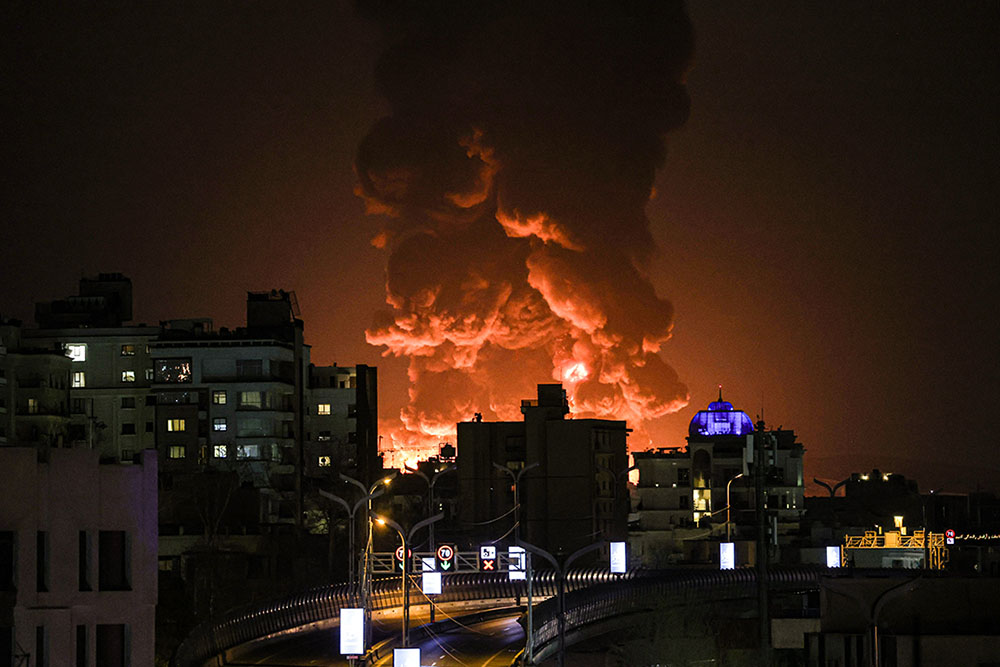
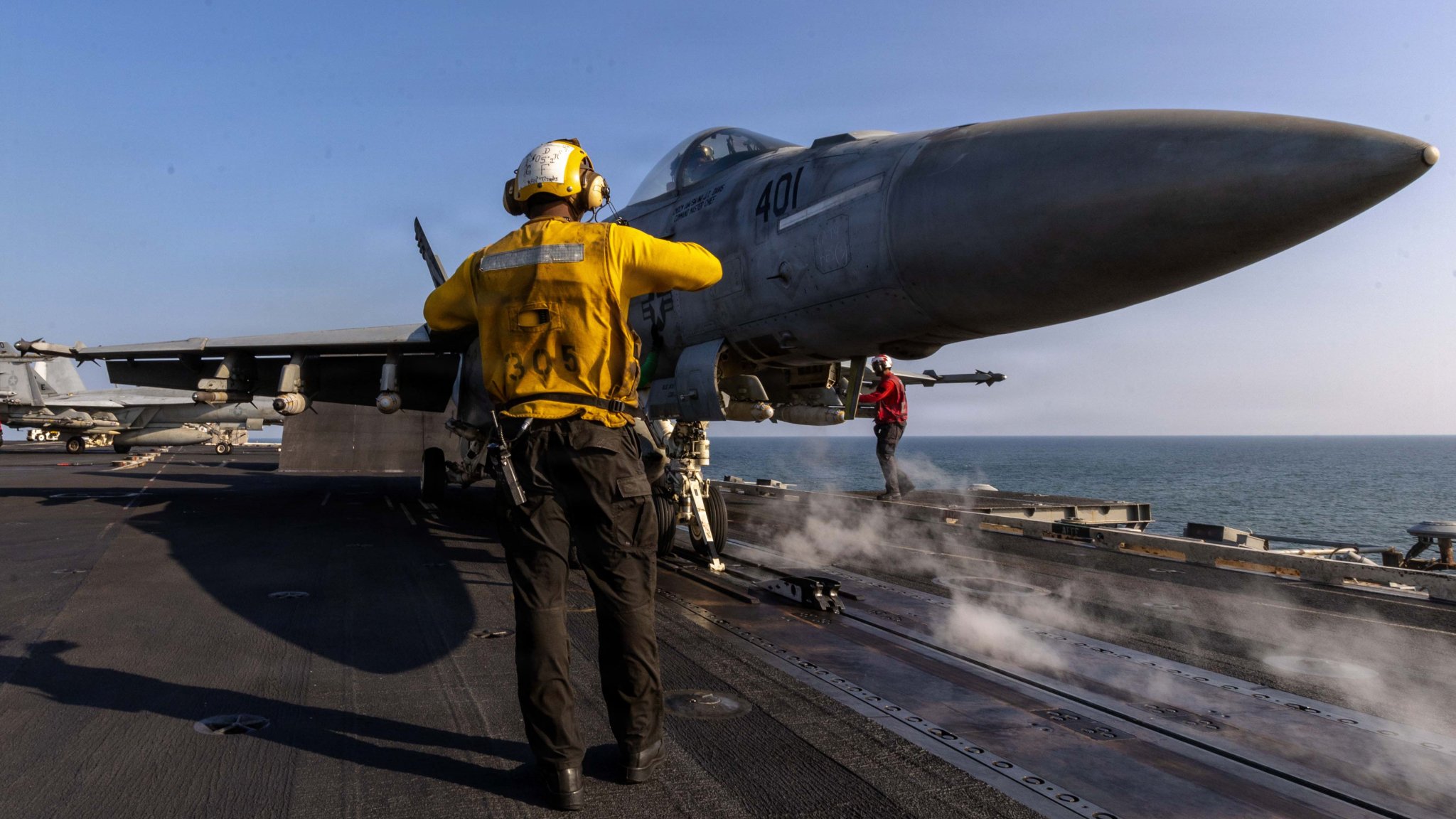
Video and images from Tehran on Sunday show the sky thick with smoke following continued airstrikes on the city. An Israeli strike hit fuel depots overnight, causing large fires and blanketing the massive city in smoke. CENTCOM is using a wide array of military hardware for the ongoing operation. Navy ships are firing Tomahawk Land Attack Missiles, while in the skies, F-15, F-16, F-18, F-22 and F-35 fighter jets are flying strike missions. Additionally, the military is fielding B-1 and B-2 bombers, and using its new LUCAS drones, modeled on Iranian Shahed-136 drones. According to CENTCOM, targets include ships and submarines, as well as military command centers and missile batteries.
The United States has not ordered ground forces into Iran, although Trump has repeatedly said he is not ruling out the possibility.
Top Stories This Week
Strikes so far have killed more than 1,300 people in Iran, while roughly a dozen people have died in Israel from retaliatory strikes. Six American troops have been killed, after a drone struck a building in Kuwait, with at least 18 injured. The U.S. has also lost three F-15 fighter jets in a friendly fire incident after a Kuwaiti plane shot them down in an accident; all six airmen were recovered safely.
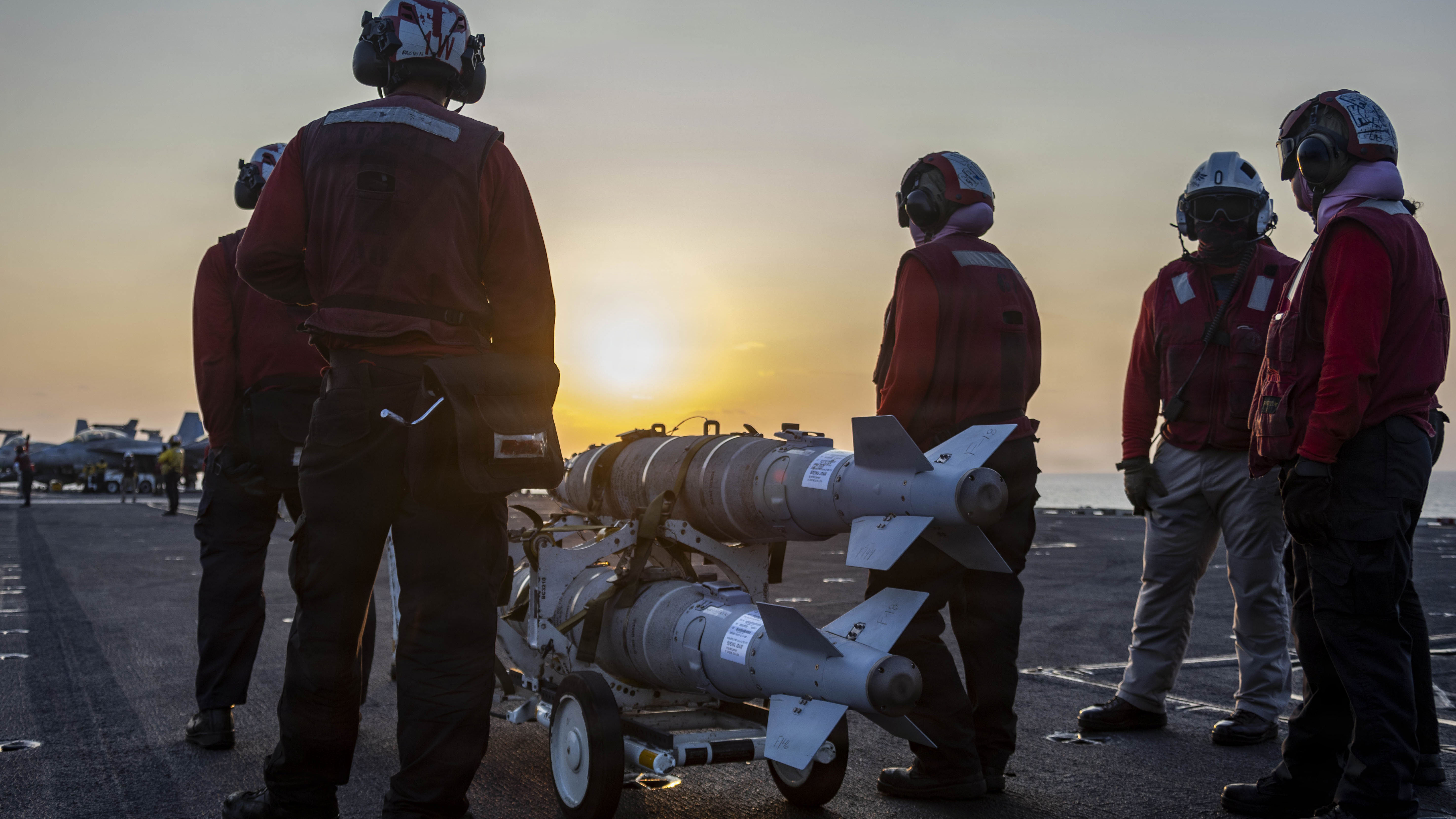
Iranian missiles and drones have struck several sites around the Middle East, targeting U.S. bases where thousands of American troops are stationed. Alongside the deadly attack in Kuwait, Iranian weapons have hit Saudi Arabia, the United Arab Emirates, Qatar, Jordan and Iraq. In Iraq, rockets targeted the American embassy in Baghdad, while drone strikes have been reported in Erbil in Iraqi Kurdistan, where U.S. forces moved to last month after leaving Syria. CNN reported that a radar system in Jordan, used for the critical Terminal High Altitude Area Defense or THAAD missile interceptor system, was damaged in an Iranian attack. The United States has eight THAAD batteries in its entire arsenal.
On Friday, Iran’s President Masoud Pezeshkian rejected calls for unconditional surrender, but said Iran would halt strikes on neighboring countries, unless attacked by them. Meanwhile Ali Larijani, secretary of Iran’s Supreme National Security Council who has become one of the main voices in the government after the killing of Supreme Leader Ayatollah Ali Khamenei, continues to promise retaliation for the deaths in Iran.