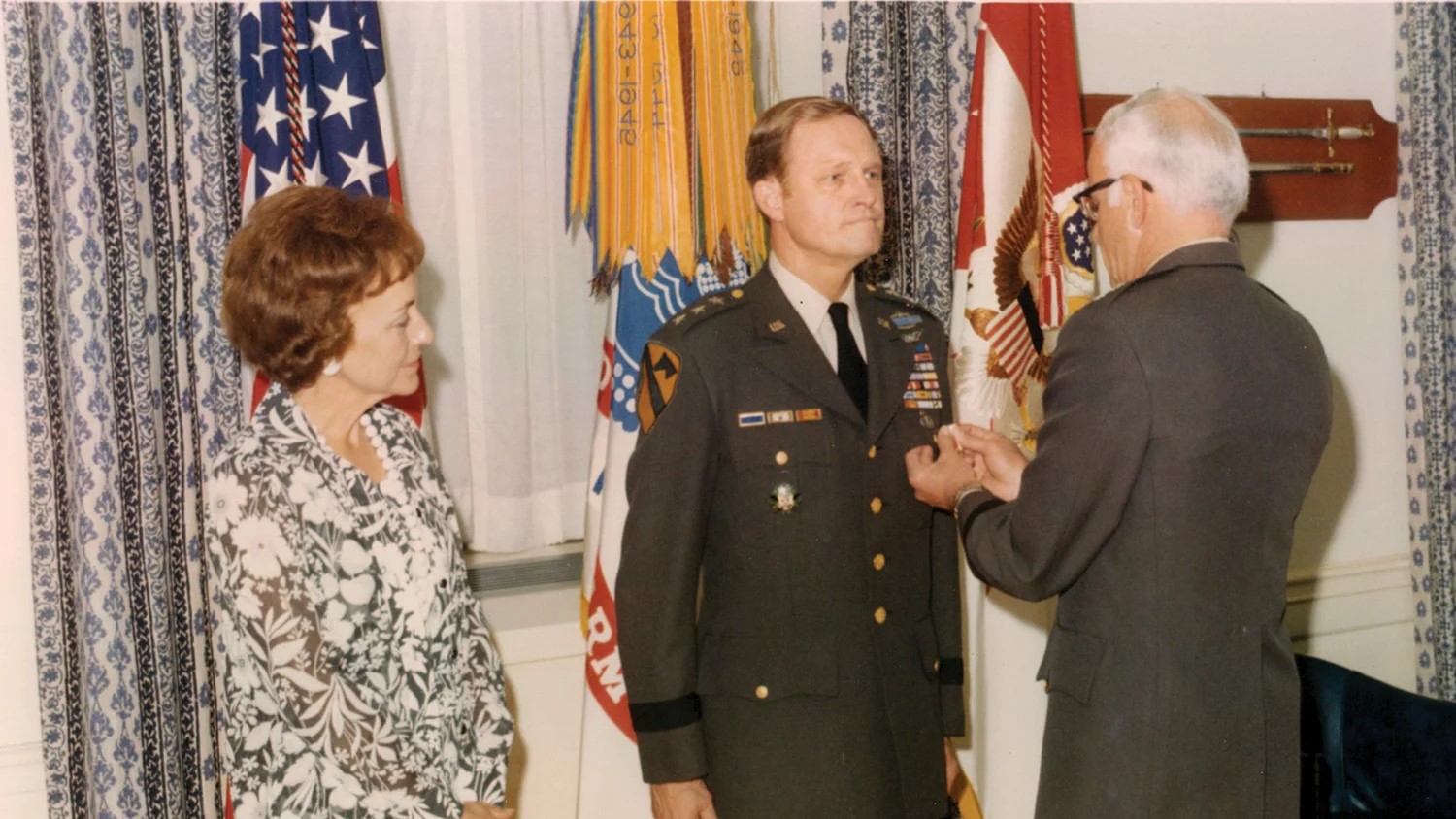
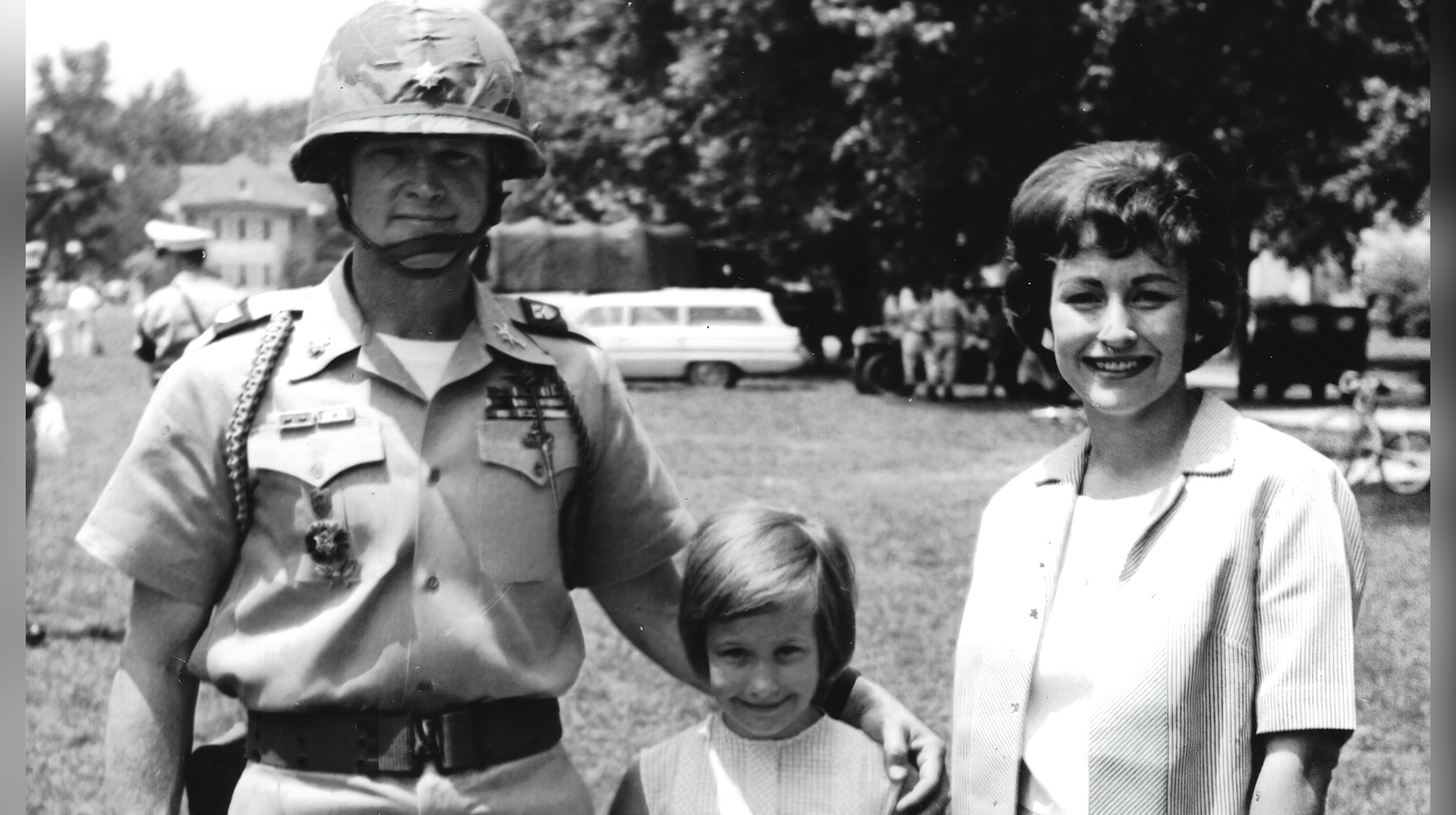
The son of Lt. Gen. Harold G. “Hal” Moore and Julia Moore, influential Army legends who recently had their namesake stripped from a base in Georgia by Secretary of Defense Pete Hegseth, said he was optimistic about efforts in Congress to bring the names back.
A bipartisan group of lawmakers are working to thwart Hegseth from reinstating Army base names once associated with Confederate leaders via the Hill’s must-pass defense bill. A measure to restore the name of Fort Benning, Georgia to Fort Moore was included earlier this month when the GOP-led House passed its version of the National Defense Authorization Act, or NDAA.
Hegseth began rechristening several Army installations earlier this year by naming the bases after previously unknown soldiers who shared Confederate surnames. The move sidestepped a law passed by Congress in 2021 that sought to rename nine bases after heroic soldiers and shed their ties to the Confederacy.
For example, Fort Benning — once honoring Confederate general Henry Benning — is now named after Fred Benning, who earned the Distinguished Service Cross as a corporal in World War I before living out an otherwise quiet life as a small-town mayor in Nebraska. Benning was briefly named after the Moores starting in 2023.
In all, the Congressionally-mandated Naming Commission changed the names of nine bases to significant figures or ideas in Army history. Hegseth subsequently reversed those name changes starting in February by switching Fort Liberty back to Fort Bragg, and Trump announced in June that the rest would follow.
But now, members of Congress — to include some Republicans — are testing their ability to uphold their previous decision, and some supporters are hopeful.
“I am absolutely hopeful and praying that this occurs,” said Steve Moore, Hal and Julia’s son and a retired Army lieutenant colonel in an interview with Task & Purpose. Hal Moore has long been a battlefield legend in the Army as a combat leader in Vietnam, while Julia Moore helped bring about critical reforms for military families, including the modern approach to casualty notifications.
“The Army lost a huge opportunity to inspire soldiers with the example of mom and dad,” he added.
While not-yet passed, the Senate version of the bill includes a measure advanced by Sen. Tim Kaine (D-Va.) that would prohibit the Secretary of Defense from changing the name of any military asset within Virginia not approved by the Hill’s independent naming commission, which would affect three bases in the commonwealth.
The two Democratic Senators from Georgia — John Ossoff and Raphael Warnock — are expected to add their own amendment to restore Fort Benning to Fort Moore and Fort Gordon to Fort Eisenhower in their home state.
Hegseth has pitched the administration’s renaming effort as honoring veterans who served at those installations under their original names.
“Past administrations have tried to rename bases that should have never been changed in the first place,” Kingsley Wilson, the Pentagon press secretary said in a statement to Task & Purpose. “Here at the Pentagon, we honor our American history and traditions, we don’t erase it.”
But some Republicans have been critical of the move which has been seen as the administration usurping the Hill’s power to pass laws. Trump unsuccessfully attempted to veto the Naming Commission efforts during his first term.
“We passed a law and overrode a presidential veto to change these names,” a spokesperson for Rep. Don Bacon, a retired Air Force General and Nebraska Republican — who sits on the House Armed Services Committee and supported the amendment — said in a statement to Task & Purpose.
Bacon has been vocal about the administration’s efforts to restore the base names, once calling Hegseth’s renaming directive “stupid as hell” and the secretary himself as “not too bright.”
“The Secretary of Defense took action to circumvent the law in a foolish manner,” the spokesperson added. “We think it is very likely that the base names will be restored; it is just a matter of how soon.”
Top Stories This Week
Steve Moore said that his parents, given their heavy ties to the base and the work they did for the Army, should have remained honored, telling Task & Purpose that the scene in the movie We Were Soldiers where a cab driver scared his mother looking for directions to deliver casualty notifications really happened. He was there, and it was a significant motive for her to make notifications more humane for families on base.
“We believe that the name of Moore represented more than just a place name,” Steve Moore said. “It represented a set of values and ethics that the Army could then point both active duty soldiers and families at.”
“They could be a warrior like Hal Moore — the warrior ethos, the meritocracy, the fact that he rebuilt the military after Vietnam,” he added. “And then on mom’s side, with everything she did in terms of causality reform, being a community leader, lifelong Red Cross volunteer — all that it shows how you lead a warrior family.”
He said that Hegseth had called his brother, David — a retired Army colonel — about two weeks after the secretary had announced the renaming of Fort Moore back to Fort Benning. Steve Moore recalled the conversation as respectful and that Hegseth had offered to name something else after his parents.
“But given that we’ve been taught by dad you don’t accept second place — coming in second is to lose the battle — we declined,” Steve Moore said.