The Air Force really, really wants to blow up two Tesla Cybertrucks with missiles.
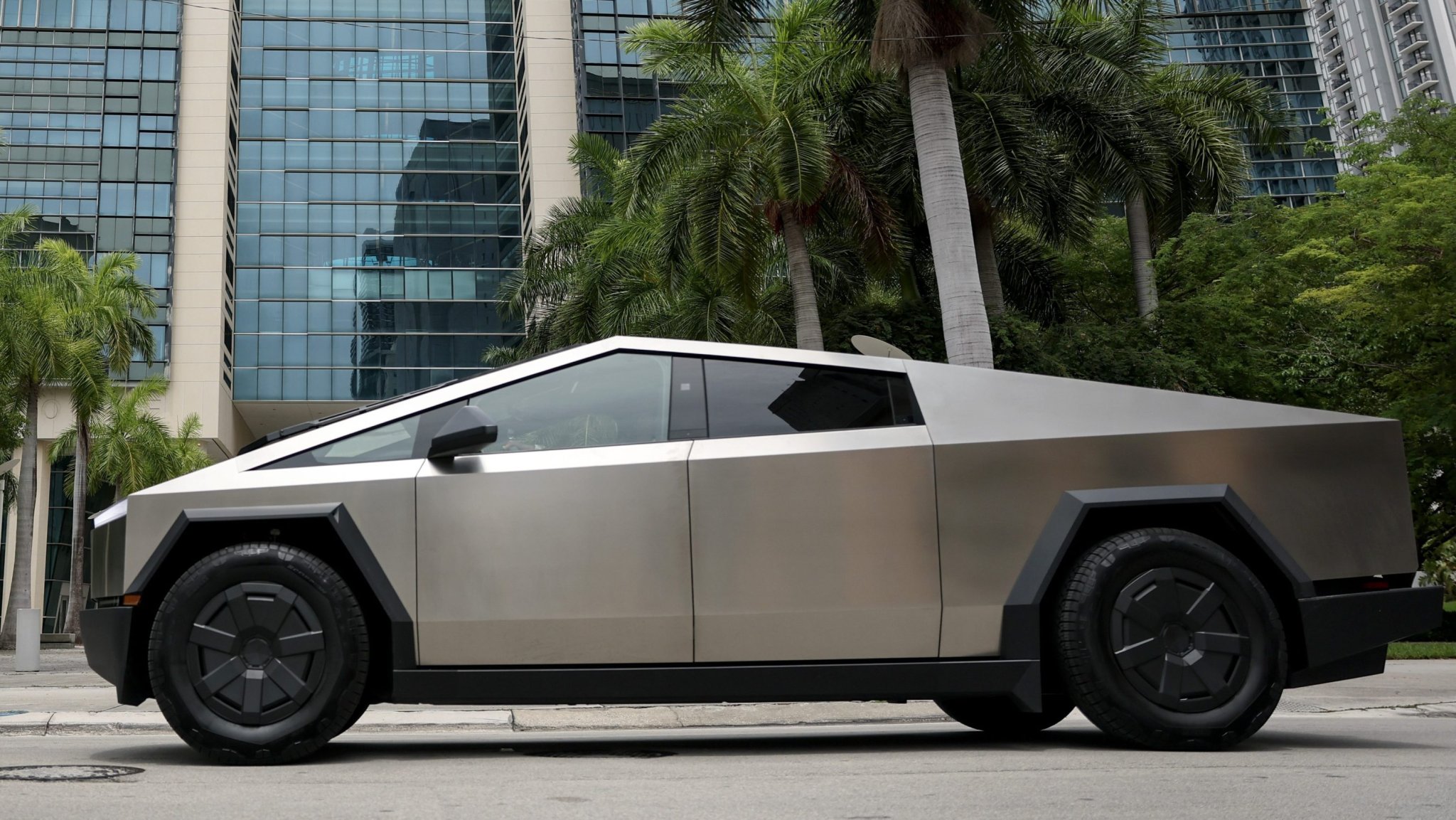
Technically, the Air Force is looking for more than 30 different vehicles to use as targets for precision-guided munition tests at the White Sands Missile Range in New Mexico, but the blocky Cybertrucks are the one make and model specified in contracts.
The Air Force is looking for “Towable Target Vehicles to be used as targets for live missile fire testing,” according to Air Force contract documents posted to the federal government’s System for Award Management on Wednesday, Aug. 7. The tests will be specifically for Special Operations Command’s Standoff Precision Guided Munition (SOPGM) training.
The War Zone and Jalopnik first reported on the news. The Air Force is looking for several types of cars, from sedans to “bongo trucks” — think those small, low-floor kei trucks from Japan — to normal pickup trucks to the infamously blocky, polygon-esque Cybertruck, of which it wants two. They don’t need to run, but they do need to have intact bodies, glass, mirrors and wheels that work. As Jalopnik noted, the Cybertrucks have broken down repeatedly when on the road, including taking serious damage from potholes.
“In the operating theatre it is likely the type of vehicle used by the enemy may transition to Tesla Cybertrucks as they have been found not to receive the normal extent of damage expected upon major impact,” a partially redacted contract document reads.
Government documents also note the truck’s “aggressively angular and futuristic design, paired with its unpainted stainless steel exoskeleton, sets it apart from competitors typically using painted steel and aluminum body.”
Many Cybertrucks on the road are painted, but it is unclear how specifically that design would be much different than a Toyota Hilux or a kei truck against a Hellfire missile.
Top Stories This Week
Tesla has hyped up the alleged bullet resistant status of the truck — something apparently limited to side panels, as owners have found out to mixed results — but the car has struggled with manufacturing issues like panels falling off, plus a drop in sales.
The Army operates the White Sands Missile Range, although the Air Force also uses it for training. SOCOM’s Standoff Precision Guided Munitions include munitions such as the AGM-114 Hellfire and GBU-69/B Small Glide Munition.
The contract also notes that the tests need to “mirror real-world situations” and the training is to “prep the units for operations by simulating scenarios as closely as possible to the real-world situations.”
U.S. forces have regularly carried out airstrikes on convoys and small cars, using the same types of precision-guided munitions being tested at White Sands. Those airstrikes include several in Syria and Iraq that have targeted ISIS leadership, and have used conventional explosive missiles and the R9X, which trades an explosive payload for blades that can shred a target. The R9X has earned the nicknames “Ninja Bomb” and “Flying Ginsu.”
It’s not clear how soon the Air Force plans to start shooting missiles at Cybertrucks, but the cars and the rest of the vehicles are likely to get blown to smithereens. Maybe the Air Force will release footage from the tests.