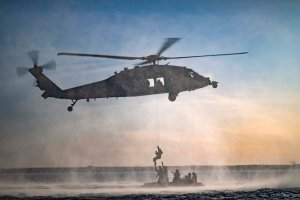
The future on the high seas for the Navy may be one without sailors. Unmanned ships like the USS Mariner and Ranger, and the recently launched USX-1 Defiant, are opening up a world that gives the Navy and other branches incredible capabilities on the water, no seamen necessary.
This quest for drone warships began in earnest in 2010 under the Defense Advanced Research Projects Agency’s (DARPA) Anti-Submarine Warfare Continuous Trail Unmanned Vessel (ACTUV) program. The aim, as the name indicates, was to develop a boat that could follow submarines around the world without requiring a manned ship. The program produced a 132-foot trimaran-hulled boat called Sea Hunter, which launched in 2016.
During early testing off San Diego, Sea Hunter demonstrated continuous autonomous operation for over 5,000 nautical miles, with Navy observers tracking its performance. DARPA confirmed it could operate for 90 days without refueling. With those successes in hand, the Navy pushed ahead and launched Seahawk in 2021, a refined and updated version of Sea Hunter.
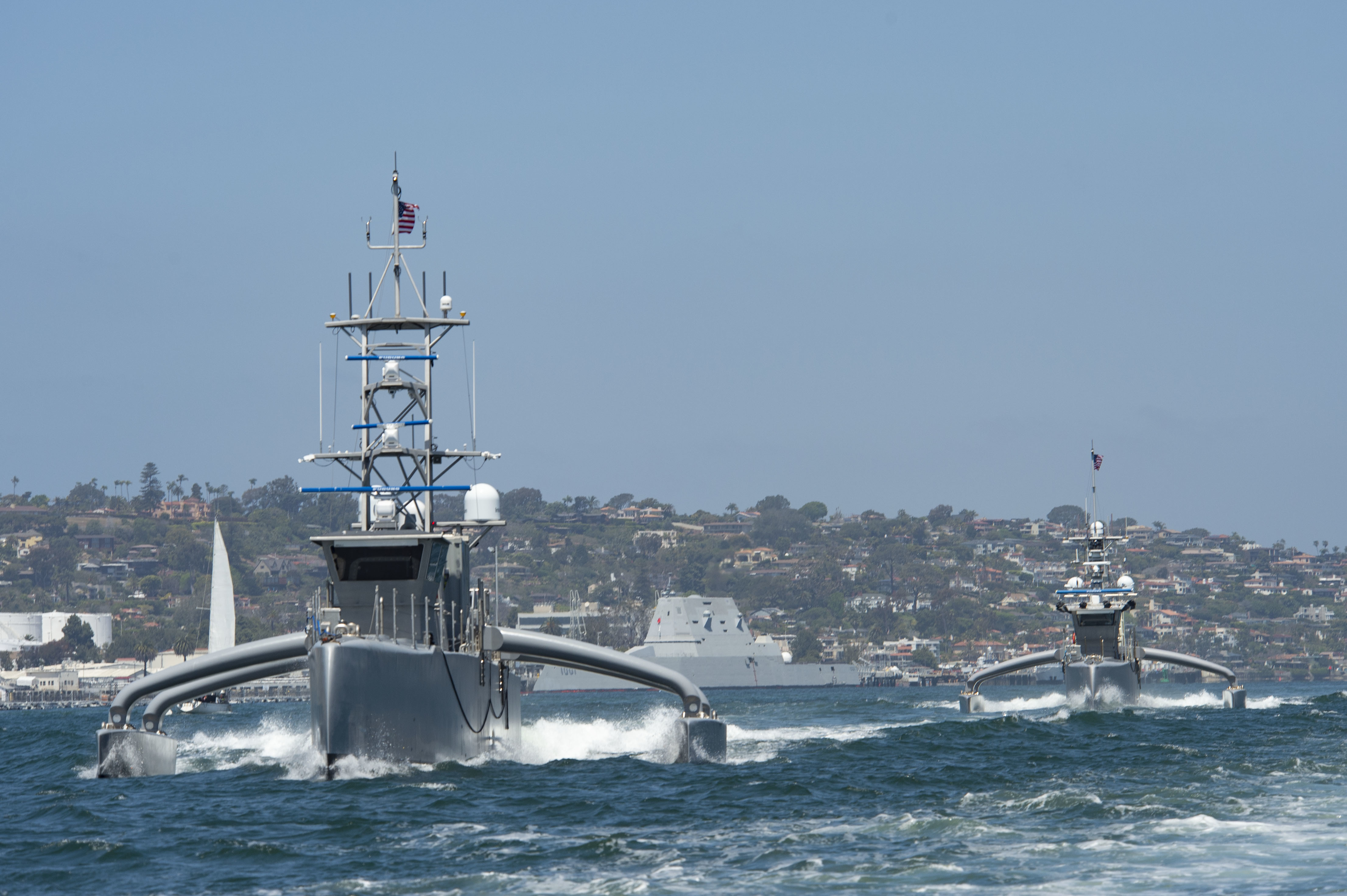
While these sub-hunting unmanned surface vessels (USV) were developed in tandem with DARPA, the Navy began adapting those lessons into the USS Ranger and USS Mariner, launched in 2021. These vessels, converted from commercial support ships, became the backbone of the Navy’s uncrewed ambitions. Since then, they’ve logged thousands of autonomous nautical miles, fired live missiles, and even conducted resupply missions at sea, all without a sailor on deck.
Those vessels, and now many others of varying sizes, are what make up the Ghost Fleet Overlord program, which began in 2018. The idea behind the programis to use USVs to perform missions that are too dull, dangerous, or dirty for crewed ships. Think not just resupply at sea, but long-endurance surveillance, electronic warfare, mine detection, disaster response, or even as target ships.
Top Stories This Week
But even the most capable Ghost Fleet ships are still based on traditional hulls. They retain doors, walkways, compartments, and all the other features designed to support human life—features that take up space, add complexity, and limit endurance.
That’s where NOMARS, or the No Manning Required Ship program from DARPA, comes in.
NOMARS sought to design a ship from the keel up without a single human in mind. No hatchways, no gyms, no fancy officer ward rooms or enlisted berthings. The first iteration, dubbed the USX-1 Defiant, is 180 feet long and weighs in at 240 tons of nothing but purpose-built testbed for uncrewed operations.

Built by Serco and launched in March 2025 in Washington state, Defiant is currently undergoing sea trials. It draws from the same core autonomy and redundancy systems as Ranger and Mariner, but without the burden of human access or survivability requirements. Its deck is reportedly optimized for containerized systems, potentially allowing it to carry surveillance gear, electronic warfare payloads, cargo modules, or vertical launch systems.
While Defiant and Seahawk patrol the surface, unmanned underwater vehicles (UUV) are prowling the depths. Leading the pack is DARPA’s Manta Ray, a glider-like submersible designed to “hibernate” on the ocean floor until it’s needed. It can carry modular payloads for surveillance, communications relay, environmental monitoring, and more without needing a ship to deploy it.
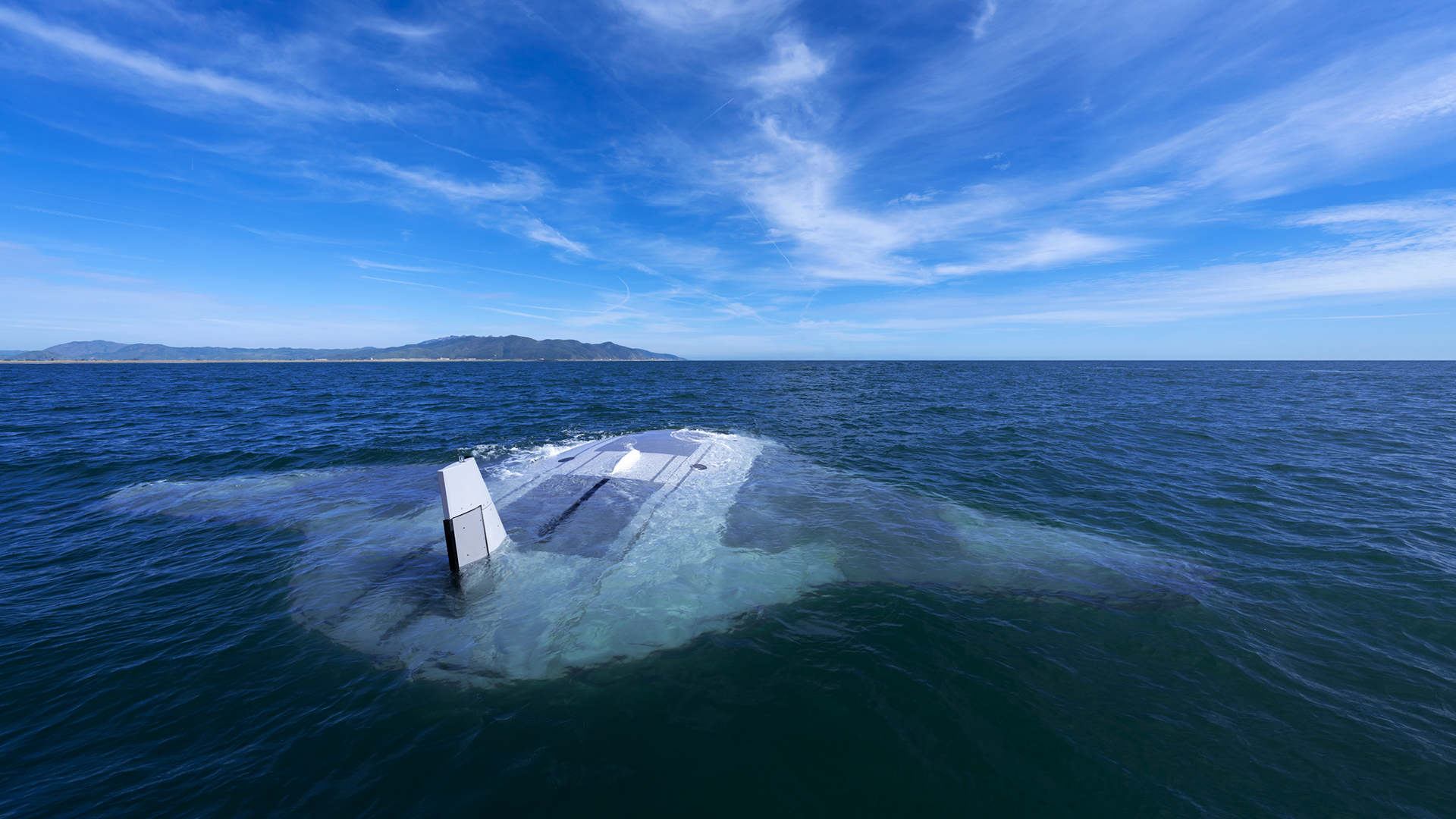
The Navy is also developing the Orca XLUUV with Boeing to handle missions like ISR, mine warfare, and even strike, and it has revived the Snakehead UUV program after canceling it in 2022.
Together, these surface and subsurface systems represent a shift in how the Navy projects power. We covered these and more in the latest video for YouTube that you can watch here.