
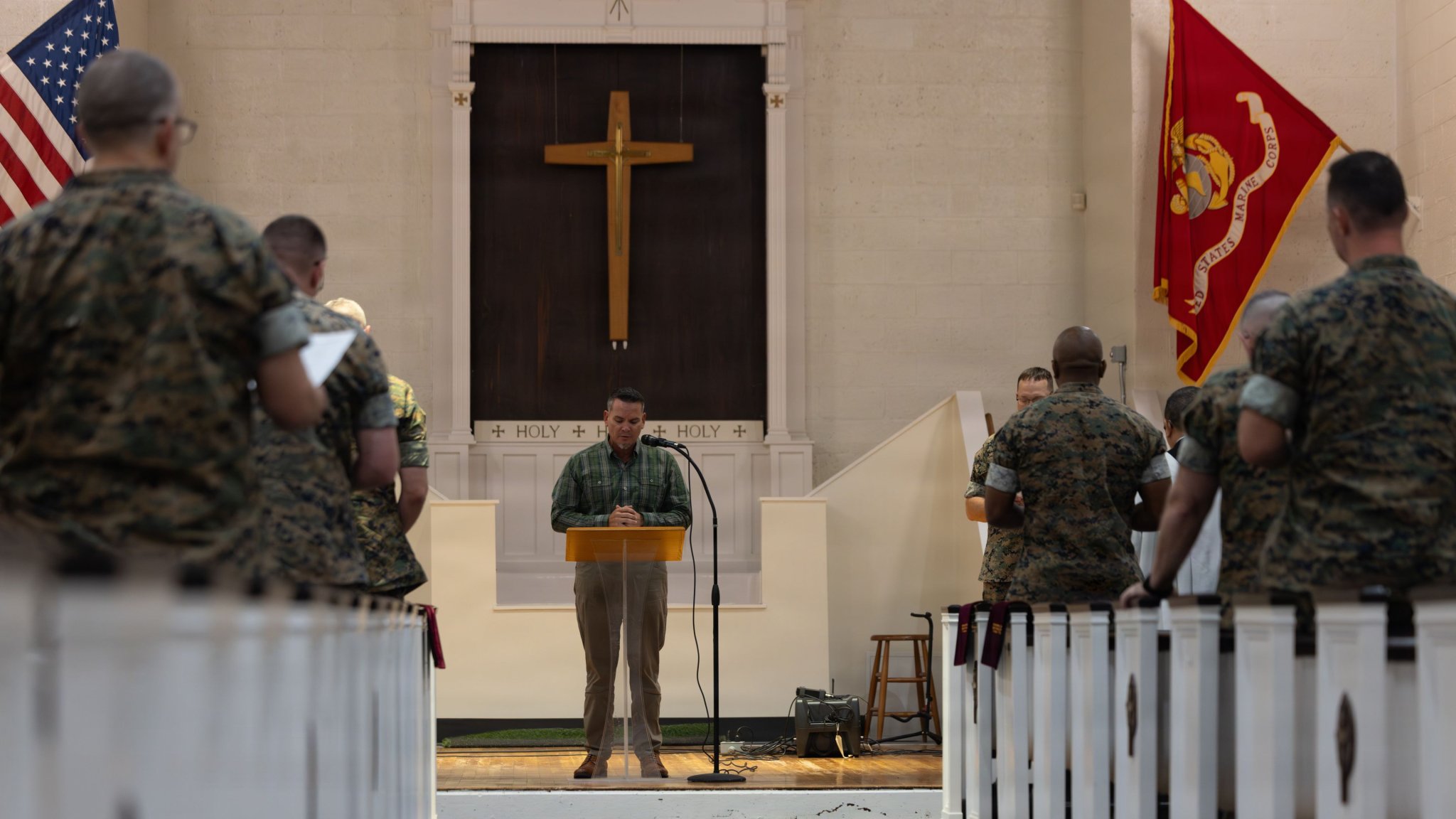
The Department of Defense is drastically reducing the number of religious faiths and belief systems it recognizes in its personnel records, from 211 to just 31.
The military’s revised list of religious affiliation codes removed 180 previously accepted ones, according to a May 20 memo signed by Under Secretary of Defense for Personnel and Readiness Anthony Tata. The codes are used to identify troops’ faith and help plan religious support services for them. The memo notes that the changes will not impact what religion is marked on troops’ dog tags.
Two-thirds of the revised list are different Christian denominations. The new list excludes beliefs and faiths such as Druids, Pagan and Unitarian Universalists.
Military.com first reported on the change on Thursday, citing Tata’s memo. On Friday, Pentagon spokesman Sean Parnell confirmed the changes, calling the previous list “unmanageable” and saying that the change returns to “the original intent of collecting this data – to allow our chaplains and religious support personnel to provide the best spiritual care to our warfighters.”
Top Stories This Week
Parnell said that the change “is not designed to make any claims on the legitimacy of any faith or religious belief, nor is it intended to provide a list of ‘officially approved’ religions” but is to help chaplains “quickly look up the religious composition of their units and determine how they structure resources to best provide for warfighters of all faith groups.”
The military’s Armed Forces Chaplains Board previously expanded the “Faith and Belief Codes” in March 2017 during the first Trump administration, to “standardize and better identify religious preferences recognized by the military services.” That code system included several Christian sects and New Age faiths, including Druids and Wiccans.
Of the revised “Religious Affiliation Codes”, 22 of the 31 remaining categories are different Christian denominations. The rest are: agnostic; Bahai; Buddhism; Hindu; Islam; Judaism; Sikh; and “no religion” and “other religion.” Different denominations of Judaism and Islam are not distinctly mentioned, nor does the department say what are included in the “other religions” category. It’s not clear how the Department of Defense reached this specific list of beliefs.
The change comes as the military overhauls the chaplain corps and related programs. Defense Secretary Pete Hegseth, who has repeatedly discussed his own Christian faith in speeches and briefings, has argued that military chaplains need to focus more on matters of faith than more general support. In December, he announced that the Army was ditching its then-new Spiritual Fitness Guide — meant to help soldiers’ “spiritual readiness” — after less than a year. In March, Hegseth ordered several changes to the chaplain corps, including revising the belief code system and removing identifiable rank insignia from chaplains’ uniforms. He also announced an overhaul to the belief code system. Hegseth called the previous system “impractical and unusable,” claiming that many of the codes were not used at all.
“This action will streamline the DoW collection of religious preferences selection for Service members to enhance the delivery of targeted religious support from the Chaplaincy,” Tata’s memo said, using the unofficial name for the Department of Defense.
According to the memo, the heads of Defense Human Resources Activity and Defense Manpower Data Center must make the changes to the belief code system within 60 days.
Loading comments…
Comments couldn’t be loaded. Please refresh the page.