
Marsha Four was an Army nurse working in an intensive care unit not far from the front lines of Vietnam.
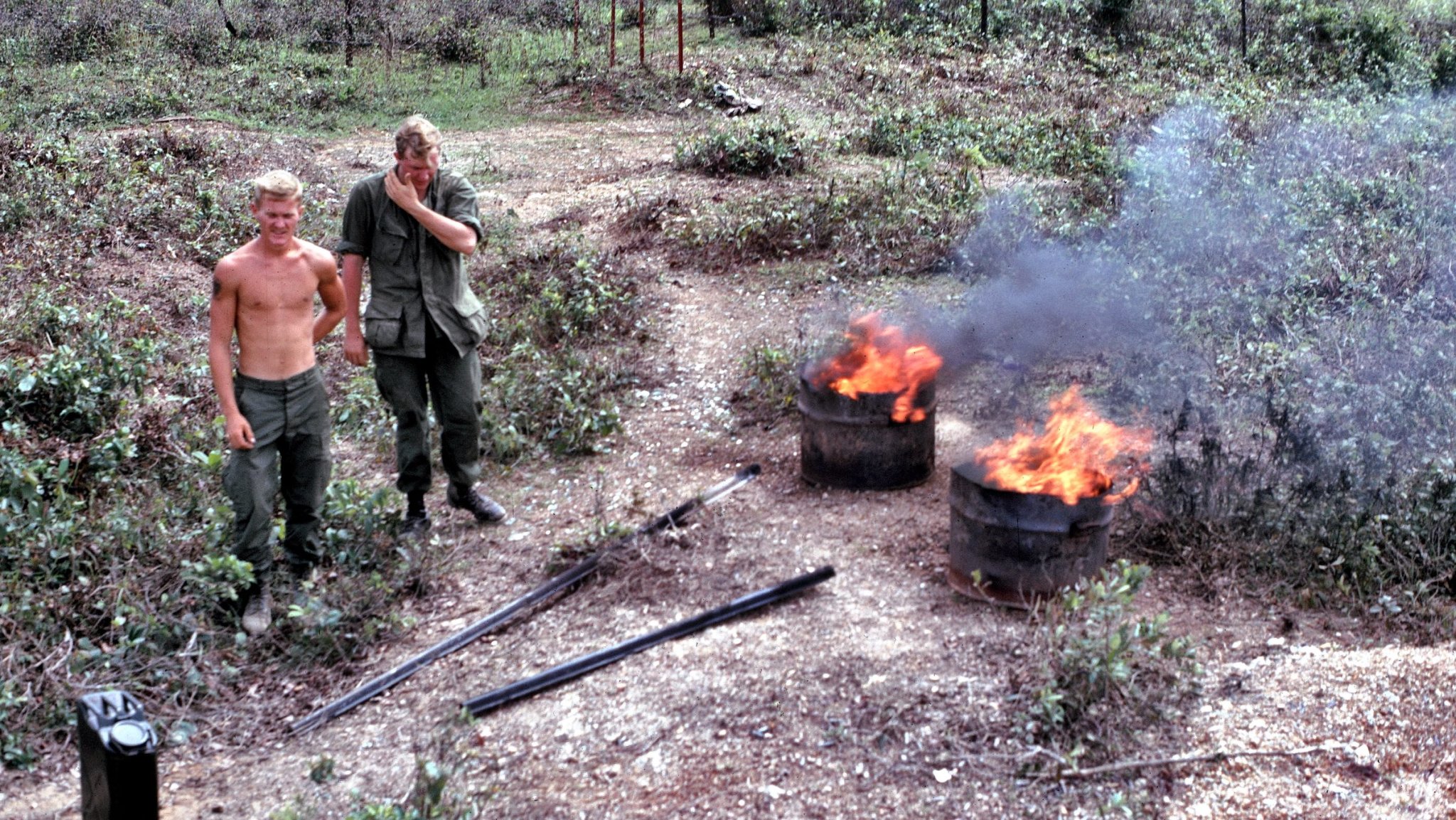
Four said everyone she worked with and all her patients were young people who were thrust into war, unaware of the horrors they would face. She recalled seeing gruesome combat injuries and having to decontaminate troops that came back with uniforms doused in Agent Orange. She also remembered troops using jet fuel to burn waste from latrines, dioxin to defoliate base perimeters for better visibility, and burn pits for trash from the base and hospital.
“What they burned, depending on the way the wind blew, was the air we breathed. To say [it was] a unique experience, is very understated,” Four said. “We were all young kids, how would you think about being exposed to that kind of stuff? You didn’t even think about that. We only thought about what we were doing and the job we had.”
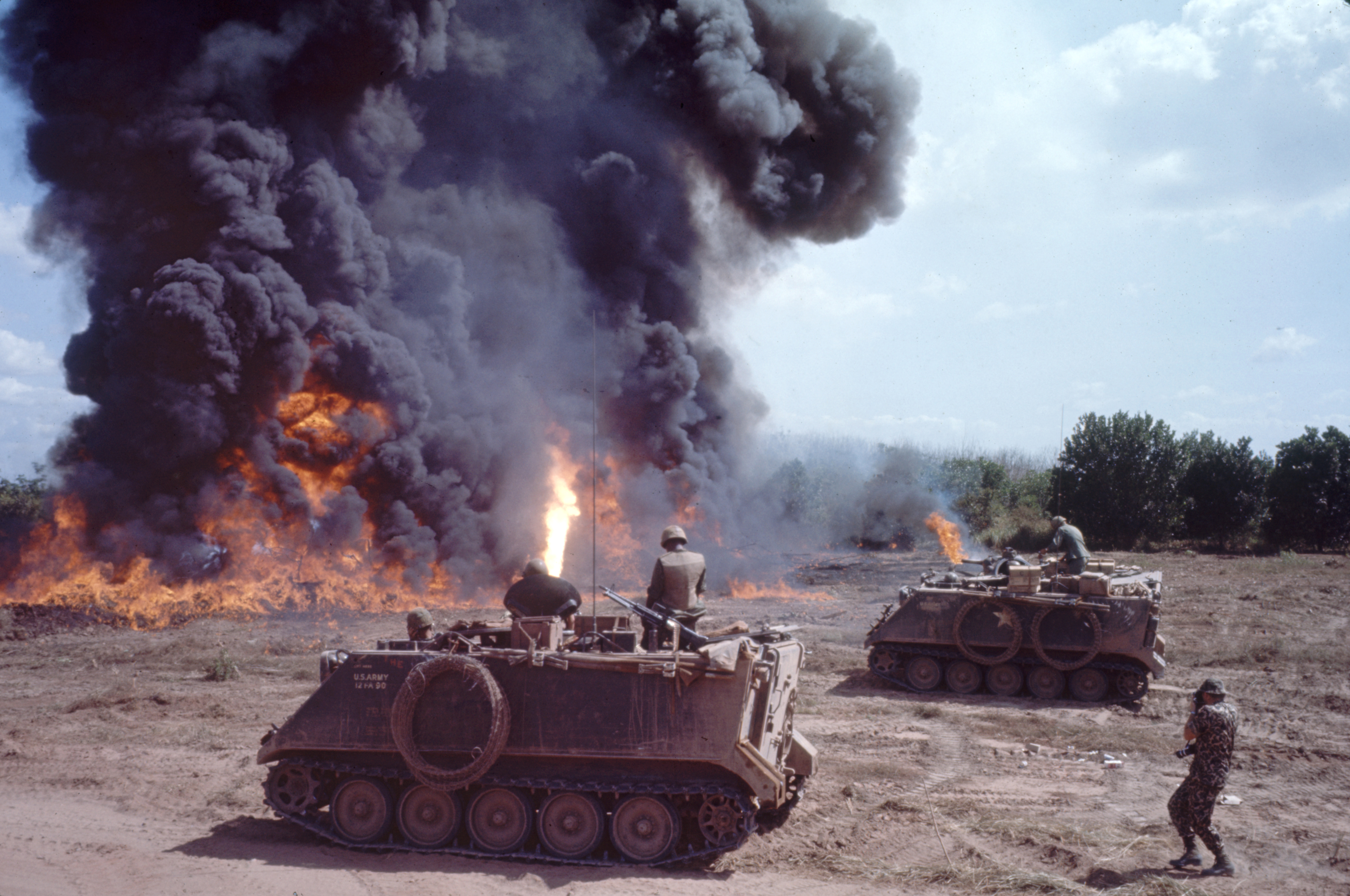
While the health effects of burn pits used in Iraq and Afghanistan have received extensive attention and benefits in recent years, the open-air burning that Four and other Vietnam troops dealt with has not. A Government Accountability Office report released last week found a lack of data and research on the health impacts that Vietnam veterans faced from open-air burning.
“While the use of burn pits in military operations that occurred in Southwest Asia since 1990 (such as in Iraq) is well documented, little has been reported about the use of open-air burning in the Vietnam War,” GAO officials wrote in a letter to Congress featured in its report
The report was directed by the House in its 2024 appropriations act.
Veterans described different scenarios to the GAO where open-air burning occurred 10 yards or several miles from their living or work quarters and happened for several minutes a day, to other fires left constantly burning. An engineer said they burned trash in a hole created from artillery fire “to burn everything to deny the enemy material they could repurpose.” A construction surveyor said classified documents were set ablaze. A military police officer said troops kept fires going in burn barrels “to keep warm or for illumination.”
Four, who left the Army as a first lieutenant, was diagnosed with emphysema, chronic obstructive pulmonary disease, and interstitial lung disease later in life. Her lung issues have put a burden on her heart, leading to a valve replacement and a pacemaker. She also uses a wheelchair because of her limited lung capacity and mobility.
“When we came home, we were glad to be home and I didn’t think about the extent that my presence in Vietnam would cause me so many physical problems later in my life, or as I got older,” she said. “I’m on oxygen and medications and nebulizers three times a day. It’s a challenge every day.”
In 2021, Congress passed the Promise to Address Comprehensive Toxics Act, also known as the PACT Act. The law deemed a list of respiratory conditions and cancers as service-connected health conditions, allowing veterans to get disability benefits from the Department of Veterans Affairs. Much of the PACT Act’s coverage focused on health effects from burn pit exposures during post-9/11 military operations. As of Feb.19, 2025, there were more than 4.3 million veterans and service members in the VA’s Airborne Hazards and Open Burn Pit Registry, which covers those exposed to hazards from 1990 to 2021 in parts of the Middle East, Africa and Southwest Asia.
For troops who went to Vietnam, the law covered Agent Orange exposure, not open-air burning exposures specifically — leaving the nearly 1.4 million Vietnam veterans still alive without defined disability coverage.
Rosie Torres, co-founder and director of Burn Pits 360, one of the leading veteran advocacy organizations that pushed for the PACT Act, said Vietnam veterans were the first group to embrace Iraq and Afghanistan veterans who raised alarms about the issue.
“Every time we were on the hill and people looked at us like we were from out of this universe, from another planet, it was the Vietnam veterans and I believe this is why — because they were one of the first ones to have experienced open-air burning exposure so they understood,” she said. “Open-air burning in Vietnam is no different than open-air burning in Iraq. The problem is they get stuck in the science.”
Since the PACT Act was passed into law, there have been calls by veterans groups, military family advocates and members of Congress to expand VA healthcare and disability coverage to include those exposed to burn pits in Vietnam.
Top Stories This Week
Torres said the uphill battle that Iraq and Afghanistan veterans faced for proving exposure and related health conditions came down to pushing Congress and calling for the Pentagon to declassify air samples. Without even knowing if the military has soil or air samples from Vietnam, the challenges would likely be the same, she said.
“They’ll be stuck in the excuse of research. That would be impossible for them,” Torres said. “The only reason we had victory is because we, number one, slept on the steps. Number two, had one air sampling that was declassified. All the rest are classified even to this day.”
GAO found that additional data on the extent of open-air burning exposure would be needed, which would involve collecting information directly from Vietnam veterans themselves to inform future studies. VA officials “cautioned that this would be limited by recall bias, or veterans’ potentially inaccurate recollection of past events, among other challenges,” according to the report.
Burden of proof
The report makes clear that burn pits were used in Vietnam. The GAO report includes photos taken by troops of open-air burning methods to dispose of human waste, trash, batteries and tires. The report cites previous military documents like a Marine Corps training document for engineers about lessons learned in Vietnam that warned that when burning the waste from latrines, “excessive air pollution (characteristic black smoke train) is generated, which is detrimental to the health of the personnel in the immediate area.”
The GAO also interviewed officials from four government-recognized veteran service organizations and 145 veterans who reported exposure to a wide range of toxic sources. Troops said they faced emissions from diesel engines, aircraft, and generators, burning of explosive C-4 to heat rations and coffee while in the field, and cigarette smoke.
More than 75% of the veterans interviewed told GAO they believed health conditions like chronic obstructive lung disease and chronic nasal inflammation were related to open-air burning in Vietnam.
The GAO report noted that the VA has not conducted research to specifically study associations between Vietnam veteran health effects and exposure to open-air burning.
“Historically, research has focused on health effects among Vietnam veterans that may be associated with exposure to herbicides used in Vietnam,” the report stated. “Officials also agreed that exposure to airborne hazards — which could have included exposure to open-air burning — is possible in any deployment setting and generally may be a health risk.”
VA officials told GAO that “ongoing reviews” have not indicated that open-air burning was a major contributor to Vietnam veterans’ long-term health and that additional data from individuals would be needed to inform new research.
Disability claims
Because the health effects of open-air burning are not presumptive service-connected disabilities, Vietnam veterans have to submit proof of relevant health conditions, in-service exposure, and prove a medical link between the two to qualify for disability benefits, the GAO said. Of the 145 veterans interviewed by GAO, 10% said they did file a claim but were denied because of a lack of evidence. About 66% of veterans didn’t even try to file because they assumed it was more than likely they’d be denied.
Kristina Keenan, legislative director for Veterans of Foreign Wars, or VFW, said Vietnam veterans should be able to use the presumptive process established under the PACT Act. That provision — which instructs the VA to conduct an ongoing review of toxic exposures and associated health conditions — was included to account for service-connected health issues from any time period and to avoid additional legislation “in a piecemeal manner.”
“I would like to see it go through that process instead of having to go back to Congress because after passing an almost $300 billion piece of legislation, it was supposed to kind of work itself out. These issues were supposed to be continuously researched and considered by VA,” Keenan said. “Congress’ job needs to be oversight of that process to make sure that VA is looking into issues like this when they’re raised and let the public know what they’re looking at.”
Torres urged the Department of Defense and VA to use common sense to get Vietnam veterans and their families disability benefits while they have the chance.
“I think VA always has it backwards. It’s not coincidental that you have, let’s just say, 1,000 people that were in this area in Vietnam at this location and all have the same respiratory disease. It doesn’t take a rocket scientist to tell you that that was associated with exposure inhalation to whatever they use for this open pit burning,” Torres said. “Just give them what they’re claiming as presumptive and let them have their dignity with whatever time they have left.”
