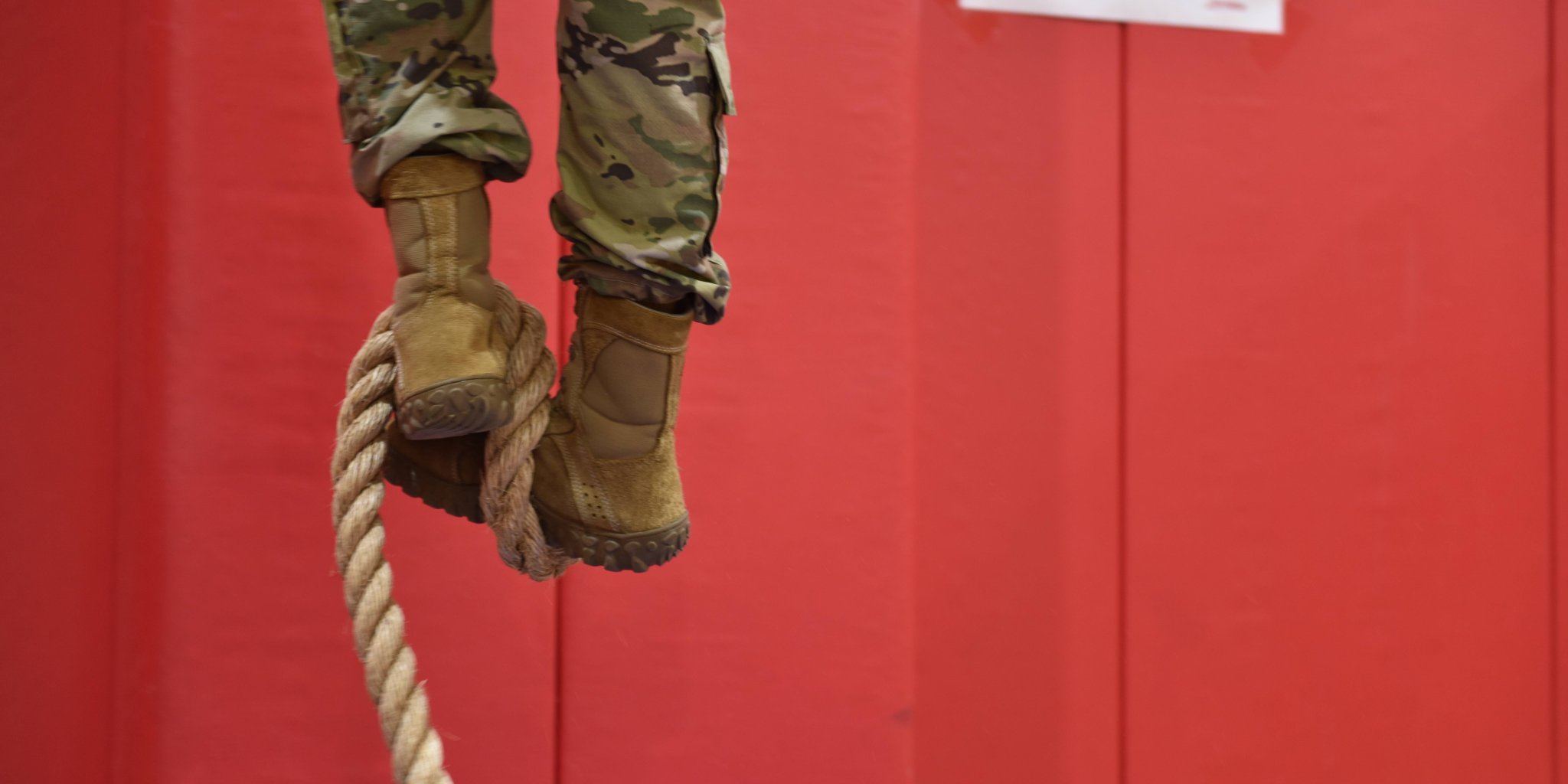
The Air Force wants to see boots that are high, eyelashes that are real and officers ready for combat. Or at least with the right uniform for it.
The changes are among four updates the service announced to its dress and uniform standards Thursday that it will begin enforcing in the next few months. The new rules outlaw sneaker-like boots or shoes and eyelash extensions, and require all officers to keep at least one utility uniform — called the Operational Camouflage Pattern uniforms, or OCPs — in their closet.
Also: you can now roll your sleeve cuffs up a little on hot days.
No more short boots
The biggest change is a new mandatory height for all combat boots.
“Combat boots must now be between 8-12 inches in height from the bottom of the heel tread to the top of the back of the boot,” the service said in a release. Soles of boots also may not exceed 2 inches in height.
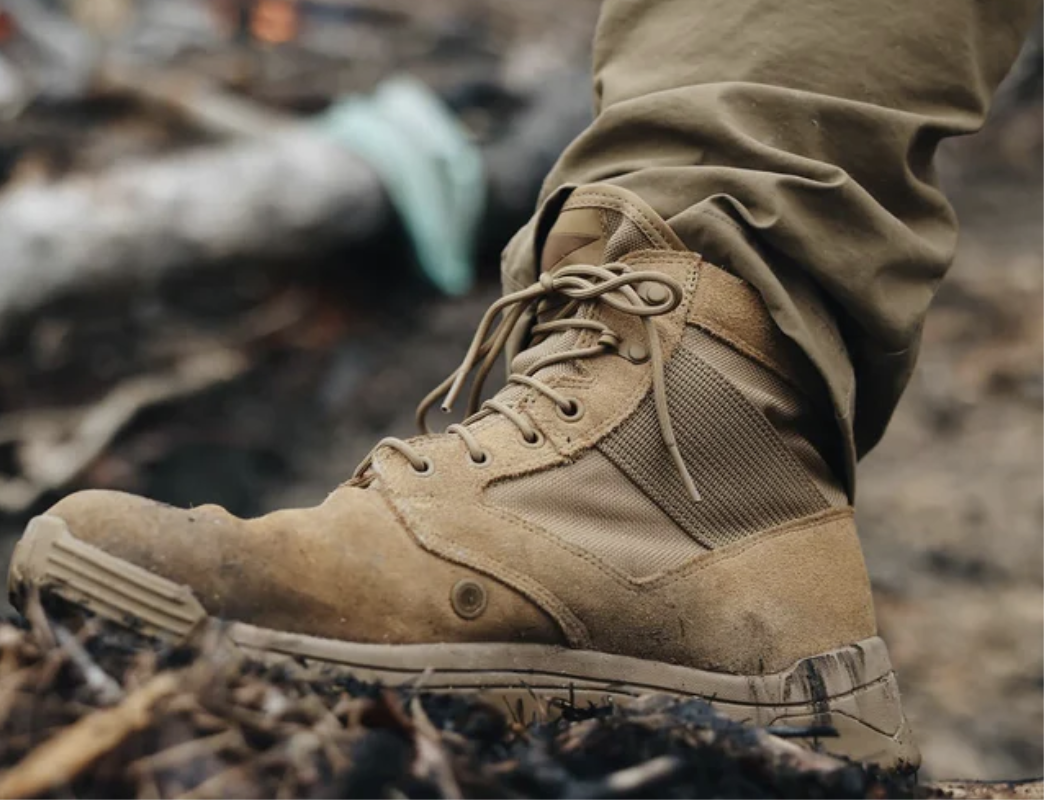
The new rule will exclude many boots currently for sale that are less than 8 inches tall, including sneaker-style hiking and trail running shoes that many companies now market in materials and subdued colors that match military requirements.
Eyelashes and OCPs
Eyelash extensions are also now prohibited, after being authorized for the last four years. Exceptions, the memo said, will be available for medical conditions.
For OCPs, officers must now have a set available and up to date, even if they rarely are expected to wear it to work, such as pilots who routinely wear flightsuits.
“All Air Force officers, regardless of career field, must maintain at least one complete set of either the non-fire-retardant operational camouflage pattern uniform or an improved hot weather combat OCP uniform,” the release said.
And for those in OCPs, the new rules allow cuffs to be rolled twice for heat or ease of work with the sleeves still being considered “rolled down.”
Chief Master Sergeant of the Air Force David A. Flosi wrote in a note on his official Facebook page that the eyelash rules will take effect in 30 days, while the boots and uniform rules will become effective within 90 days.
“This update is based on feedback from our NCOs & the Standards and Readiness Reviews across the force,” Flosi wrote.
The rules updates are the second round of small-scale changes the Air Force has announced to its dress and appearance rules this year. In February, the service did away with duty identifier patches and an array of previously allowed nail polish colors, tightened up male hair and shaving standards, and returned the long-absent definition of a “gig line” — the vertical alignment of fly, belt and shirt edge — to its regulations.
The latest on Task & Purpose
- Sergeant Major of the Marine Corps learns an old lesson: Don’t mess with Audie Murphy
- A breakdown of safety procedures ‘directly contributed’ to an 82nd Airborne paratrooper’s death
- WWII Marine Raider who fought at Iwo Jima, Guadalcanal wants cards for 100th birthday
- Navy identifies special warfare sailor killed while parachuting
- Pentagon appears to pause renaming of Navy ships